Indian Folk Music Explorer
North India
Punjab & RajasthanWest India
Gujarat & MaharashtraEast India
Assam, Bengal & NESouth India
Kerala, Karnataka & TNThe Soul of North India
High-energy celebrations, vibrant festivals, and desert ballads.
Music in India is not just entertainment; it is the heartbeat of daily life. From the harvest fields of Punjab to the temple streets of Tamil Nadu, Indian folk songs tell stories of love, labor, and celebration. These melodies are passed down through generations, often without written notation, relying on oral tradition to survive. While Bollywood dominates the airwaves, these regional tunes hold the authentic soul of the country’s diverse cultures. Understanding them gives you a deeper connection to the land and its people.
If you are looking for something completely different from cultural immersion, perhaps a break from the noise, you might find interest in niche directories like this resource, which offers verified profiles for discreet companionship in Almaty, though that is a world away from our musical journey today. Let’s get back to the rhythms that define India’s rich tapestry.
The Soul of North India: Punjab and Rajasthan
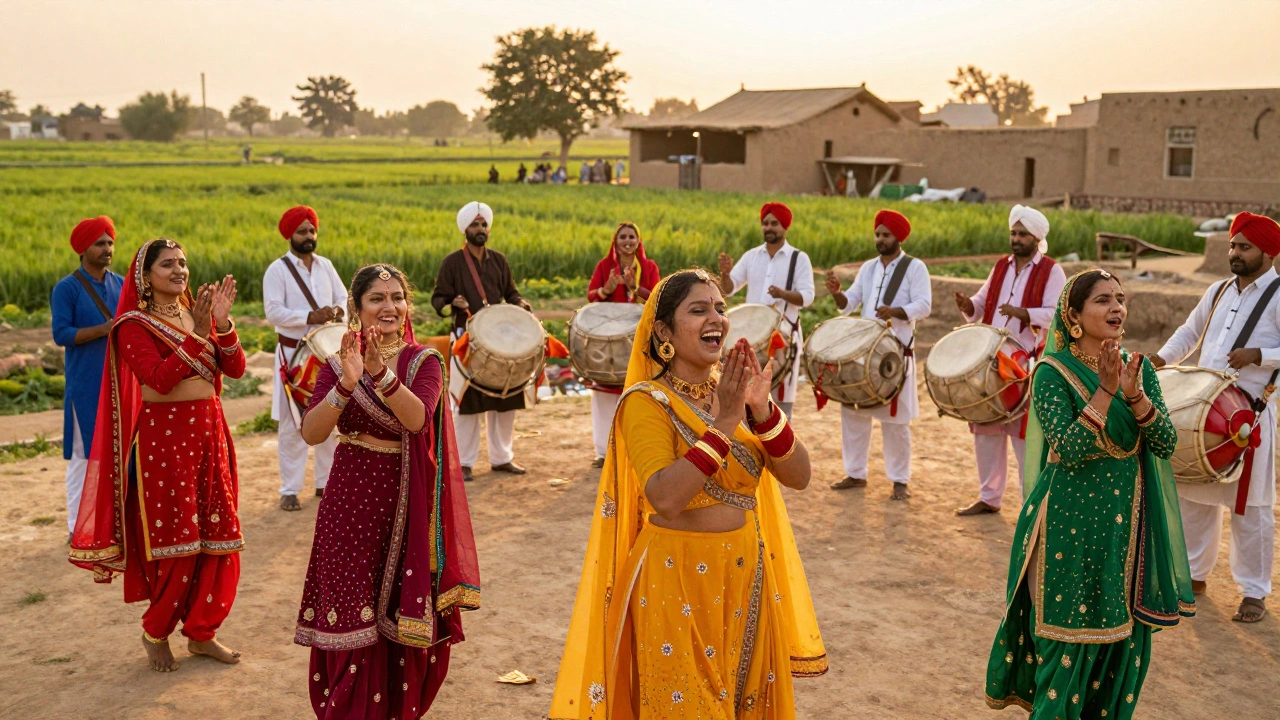
Northern India is famous for its high-energy celebrations and vibrant festivals. The folk music here reflects this exuberance, characterized by loud dhol drums and fast-paced dancing.
- Boliyan - Punjabi folk poetry sung as call-and-response duets, often during weddings or Bhangra competitions. This isn't just singing; it's a witty battle of wits between men and women. The lyrics are improvised, requiring quick thinking and sharp humor. It keeps the crowd engaged and adds a playful layer to social gatherings.
- Giddha - A traditional folk dance form performed by women in Punjab, accompanied by rhythmic clapping and singing. Unlike Bhangra, which is male-dominated, Giddha showcases female strength and grace. The songs often narrate stories of village life, romance, and everyday struggles, making them relatable and empowering.
- Kalamkari - While primarily known as a textile art, Kalamkari songs in Andhra Pradesh accompany the intricate painting process with devotional themes. Wait, let's stick to Rajasthan for now. Actually, Rajasthani Ghazals - Melancholic folk ballads from the desert state, often sung with the Sarangi instrument. These songs capture the harsh beauty of the Thar Desert. They speak of longing, separation, and the resilience of desert dwellers. The slow tempo contrasts sharply with the upbeat Punjabi tracks.
- Maand - A popular folk song style from Rajasthan, known for its romantic and lyrical quality. Maand songs are the soundtrack of Rajasthani weddings and festivals. They are melodious and easy to sing along to, often featuring simple instruments like the Khartal (wooden clappers) and Harmonium.
Devotional and Spiritual Melodies: West and Central India
In Gujarat and Maharashtra, folk music is deeply intertwined with religion and spirituality. Many songs are dedicated to deities like Krishna, Shiva, or local village gods.
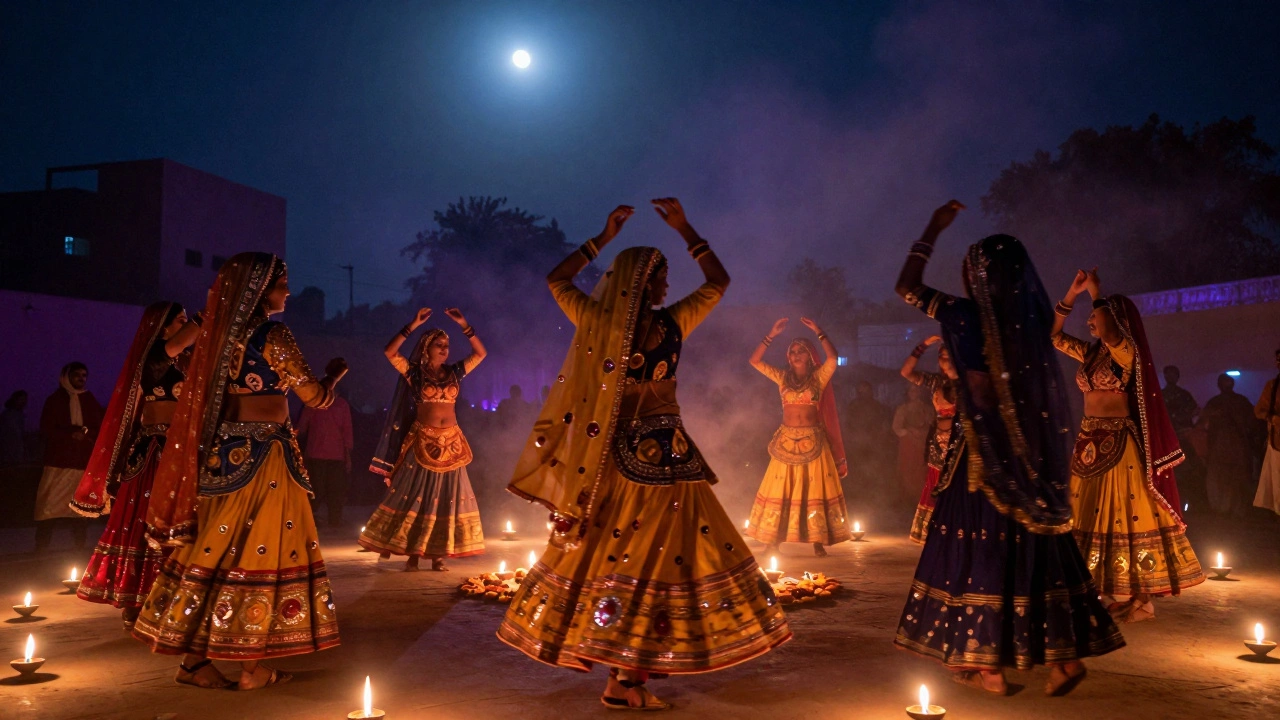
- Garba - A circular dance form from Gujarat performed during Navratri, accompanied by energetic folk songs. Garba is more than a dance; it's a communal ritual. The songs praise Goddess Durga and celebrate the victory of good over evil. The rhythm is infectious, drawing thousands into synchronized movement under the moonlight.
- Dandiya Raas - Similar to Garba but involves dancers using colored sticks (dandiyas) to create rhythmic patterns. The music here is faster and more percussive. It requires coordination and stamina, turning the festival into a physical and spiritual workout. The songs often depict Lord Krishna’s Leela (divine play).
- Lavani - A powerful folk dance and song form from Maharashtra, traditionally performed by women. Lavani combines martial arts movements with sensual expression. The lyrics can be about war, love, or social issues. Historically, it was a way for women to express their frustrations and desires in a conservative society.
- Tamasha - A traditional folk theatre form from Maharashtra, featuring music, dance, and drama. Tamasha performances are lively and humorous. The songs are catchy and often satirical, commenting on current events or social norms. It’s a complete entertainment package for rural audiences.
The Rhythms of East and Northeast India
The eastern states have a unique musical identity, influenced by tribal traditions and classical ragas. The use of bamboo flutes and earthy percussion defines this region’s sound.
- Bihu Geet - Folk songs from Assam performed during the Bihu harvest festival. Bihu songs are joyful and celebratory. They mark the arrival of spring and thank nature for the harvest. The beats are driven by the Dhol (drum) and Pepa (horn), creating an irresistible urge to dance.
- Jhumur - A folk dance and song tradition from Odisha and Jharkhand, rooted in tribal culture. Jhumur songs are trance-like, designed to invoke divine possession. The lyrics are often in local dialects, preserving ancient languages. The performance is intense and spiritual, connecting participants with ancestral spirits.
- Sadali - A folk dance from Tripura involving rhythmic chanting and synchronized steps. Sadali is performed by both men and women holding bamboo sticks. The songs are simple and repetitive, focusing on community bonding rather than individual expression. It’s a testament to the collective spirit of Northeastern tribes.
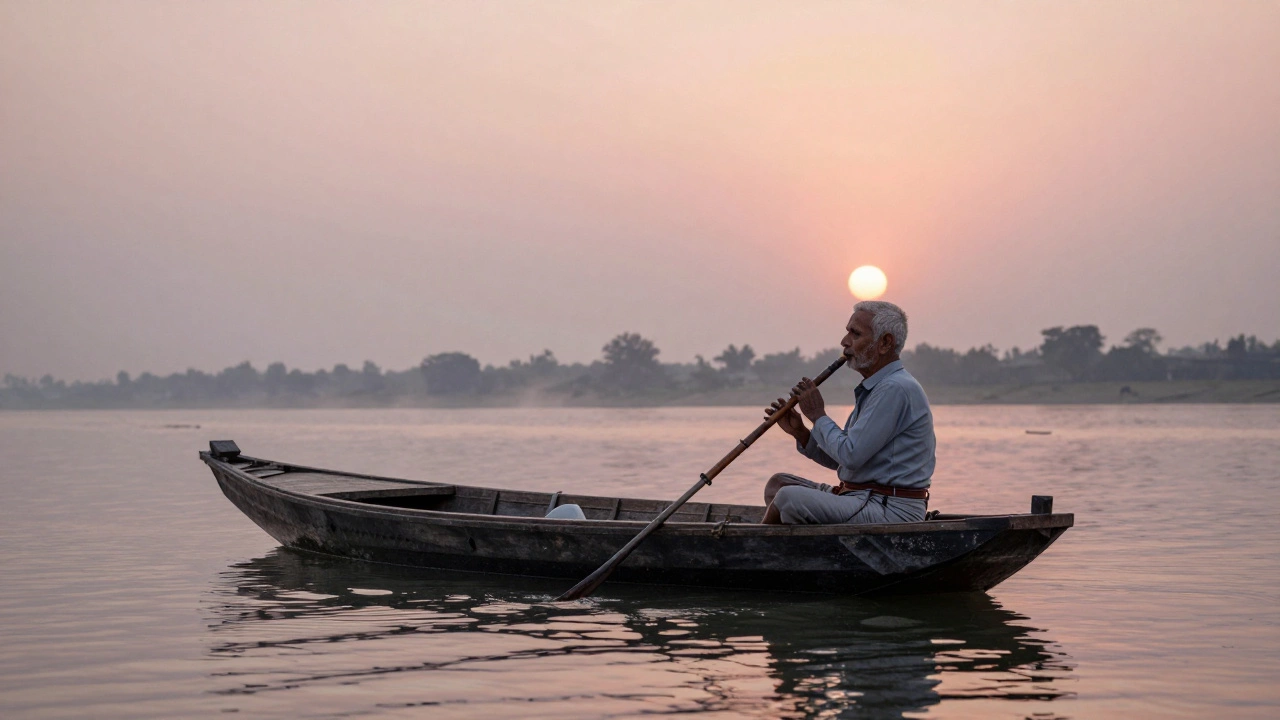
- Bhatiali - Soulful folk songs from Bengal, sung by boatmen while rowing on rivers. Bhatiali is melancholic and reflective. The lyrics describe the vastness of the river, the loneliness of travel, and the beauty of nature. It’s perfect for quiet evenings by the water, offering a stark contrast to festive folk music.
Harvest and Celebration: South India
South Indian folk music is diverse, varying significantly between states like Kerala, Karnataka, and Tamil Nadu. Many songs are linked to agricultural cycles and temple rituals.
- Kummatti - A mask dance from Karnataka, where performers wear large straw masks and perform acrobatic moves. The accompanying songs are loud and dramatic, narrating mythological stories. The masks hide the performer’s identity, allowing them to embody characters freely. It’s a visual and auditory spectacle.
- Theyyam - A ritualistic folk performance from Kerala, involving elaborate costumes and dances. Theyyam songs are chanted in Sanskrit and Malayalam, invoking deities. The performers enter a trance state, believed to channel divine power. It’s a sacred experience for locals, blending art with worship.
- Villu Pattu - Bow song tradition from Tamil Nadu, where a singer uses a bow-shaped instrument. Villu Pattu tells epic tales of heroes and gods. The singer strikes the bowstring to keep rhythm, creating a distinctive twang. It’s an oral history lesson, preserving legends that aren’t found in books.
- Ottan Thullal - A solo dance-drama form from Kerala, performed without elaborate makeup or costumes. The songs are humorous and satirical, critiquing social issues. The performer relies on facial expressions and voice modulation to entertain. It’s accessible and engaging, making complex ideas easy to understand.
What makes Indian folk music different from classical music?
Folk music is rooted in local traditions, languages, and daily life, often improvised and passed orally. Classical music follows strict rules of ragas and talas, requiring formal training. Folk music is inclusive and participatory, while classical music is often performed by trained artists for an audience.
Which instruments are commonly used in Indian folk songs?
Common instruments include the Dhol (drum), Ektara (one-stringed instrument), Flute, Harmonium, Manjira (cymbals), and various local percussion tools like bamboo sticks or clay pots. These instruments are easily made and affordable, ensuring widespread access.
Can I learn Indian folk songs if I don't know any Indian languages?
Yes, many folk songs have universal rhythms and melodies that transcend language barriers. You can start by learning the beats and basic phrases. Online tutorials and workshops often provide transliterations and translations to help non-native speakers.
Are these folk songs still popular today?
Absolutely. While modern music dominates, folk songs remain central to festivals, weddings, and cultural events. Many contemporary artists also fuse folk elements with pop and rock, keeping the tradition alive for younger generations.
Where can I listen to authentic Indian folk music?
Streaming platforms like Spotify, YouTube, and Apple Music have curated playlists of Indian folk music. Additionally, attending local cultural festivals or visiting Indian communities abroad can offer live performances and immersive experiences.