Tamil Culture in 2025: Festivals, Music, and Hindu Traditions Explained
When you think of Tamil culture, the living traditions of Tamil Nadu and global Tamil communities centered around language, faith, and daily rituals. Also known as Dravidian culture, it isn’t just about history—it’s about how people live today. From the rhythmic pulse of Indian classical music, a system of melodic and rhythmic structures passed down for over a thousand years, with Tali as its foundational beat to the bright lights of Diwali, the Hindu festival of lights that unites families across India and beyond, this culture thrives in everyday practice, not just in temples or textbooks.
Why do so many Hindu gods look blue? It’s not a painting choice—it’s a symbol of the infinite, tied to Hindu scriptures, a collection of sacred texts like the Vedas and Bhagavad Gita that define spiritual values and divine forms. These texts don’t just tell stories—they shape how people eat, marry, and celebrate. In Gujarat, for example, whether someone eats chicken isn’t just personal—it’s shaped by caste, religion, and generational shifts. Meanwhile, an Indian wedding, a multi-day ritual blending family, faith, and regional customs isn’t one event but a chain of symbolic acts: Mehendi, Pheras, Baraat—each with meaning that’s unchanged for centuries, even as modern life creeps in.
You won’t find one single holy book in Hinduism. You’ll find layers—Vedas for rituals, Upanishads for philosophy, the Gita for action. The same goes for rhythm in music: Tali isn’t just the first beat—it’s the anchor that keeps improvisation grounded. And blue skin? It’s not about skin color at all. It’s about power beyond human form. These aren’t old myths. They’re alive—in homes in Chennai, kitchens in London, and temples in Singapore. In November 2025, these topics didn’t just get written about—they got lived. What follows is a curated look at how real people connect with these traditions today: through music, meals, marriage, and meaning. You’ll see the patterns, the changes, and why they still matter.
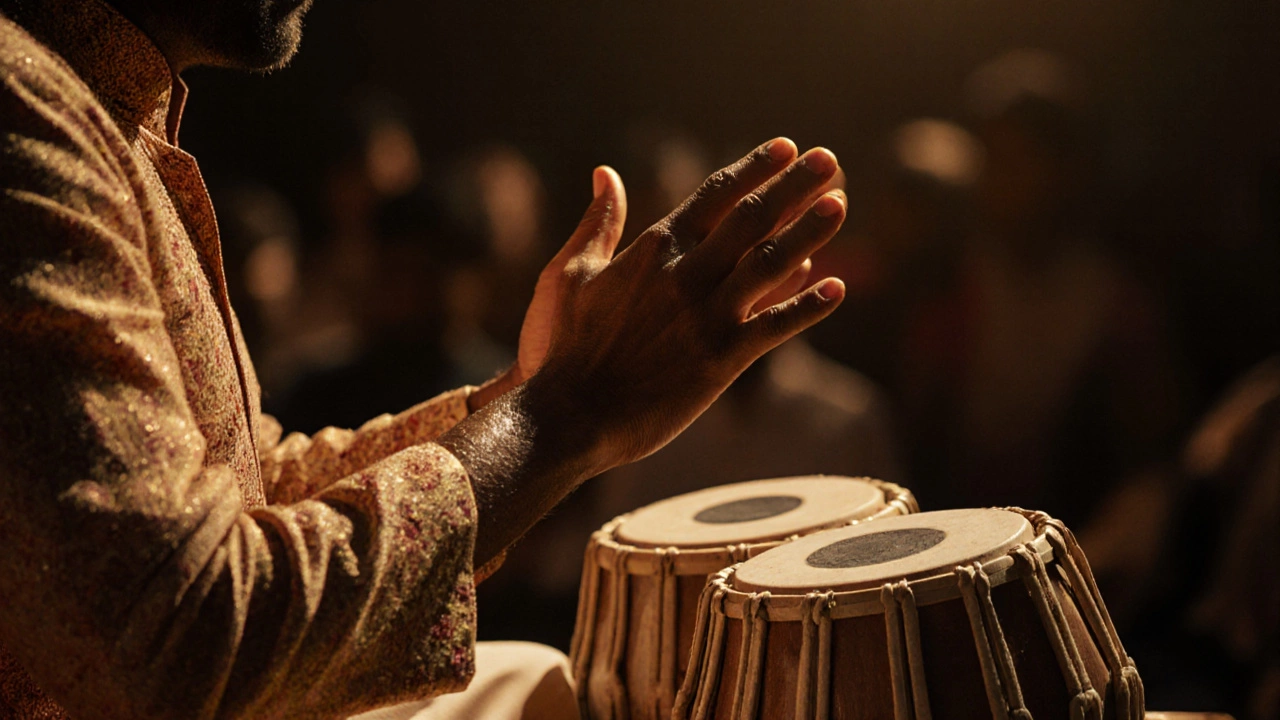
What Is Tali in Indian Classical Music? Understanding the Rhythmic Anchor
Tali is the first beat in Indian classical music's rhythmic cycles, acting as the anchor that structures improvisation and connects performer with audience. It's the heartbeat of tala, distinct from Western downbeats.
Read more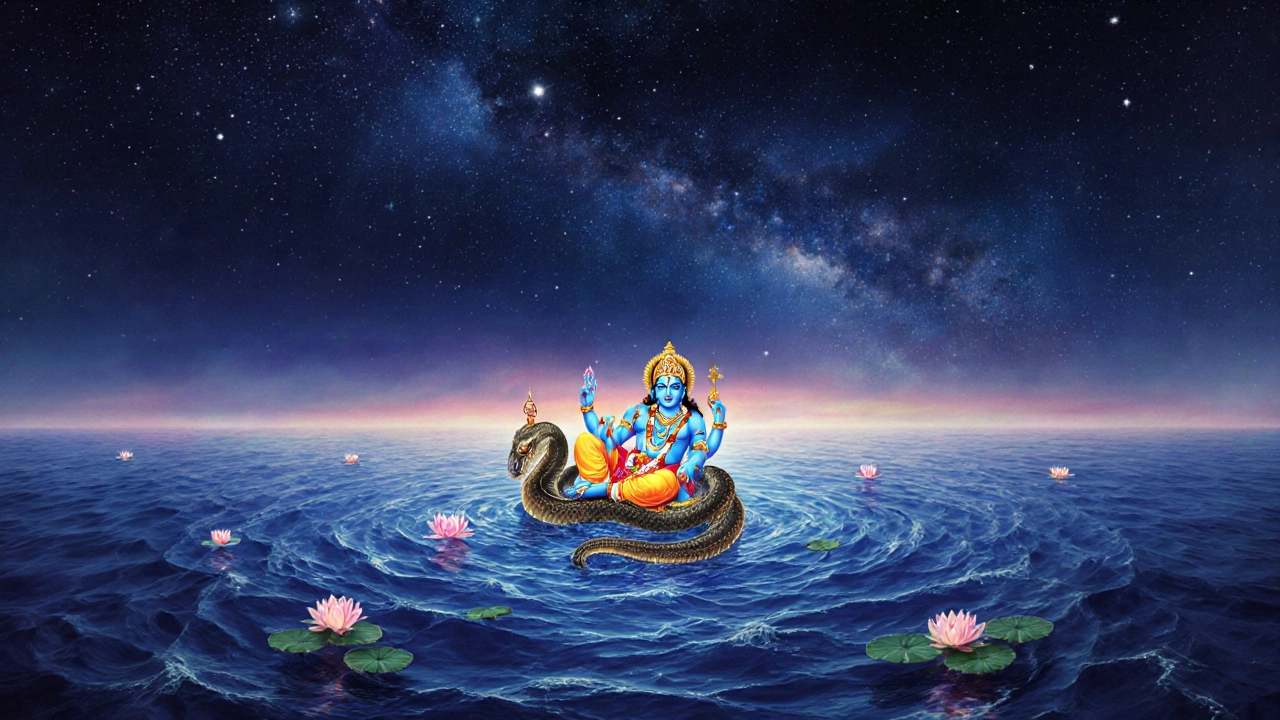
Why Are Hindu Gods Depicted in Blue? The Symbolism Behind the Color in Indian Mythology
Discover why Hindu gods like Krishna, Shiva, and Vishnu are depicted with blue skin - a powerful symbol of infinity, cosmic balance, and divine transcendence in Indian mythology.
Read more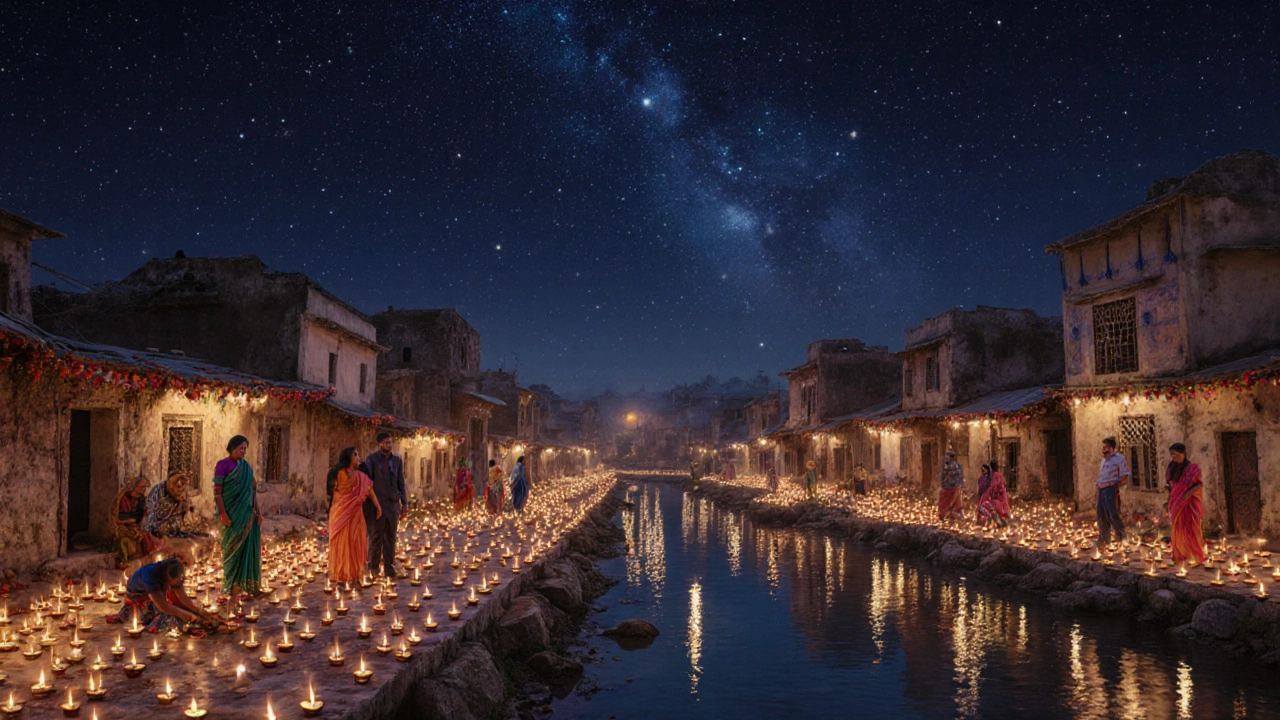
What Is the Most Important Hindu Festival? Diwali Explained
Diwali is the most important Hindu festival, celebrated by over a billion people worldwide. It symbolizes light overcoming darkness, knowledge defeating ignorance, and new beginnings. With regional variations and universal meaning, Diwali unites families, cultures, and faiths through simple acts of light, cleanliness, and compassion.
Read more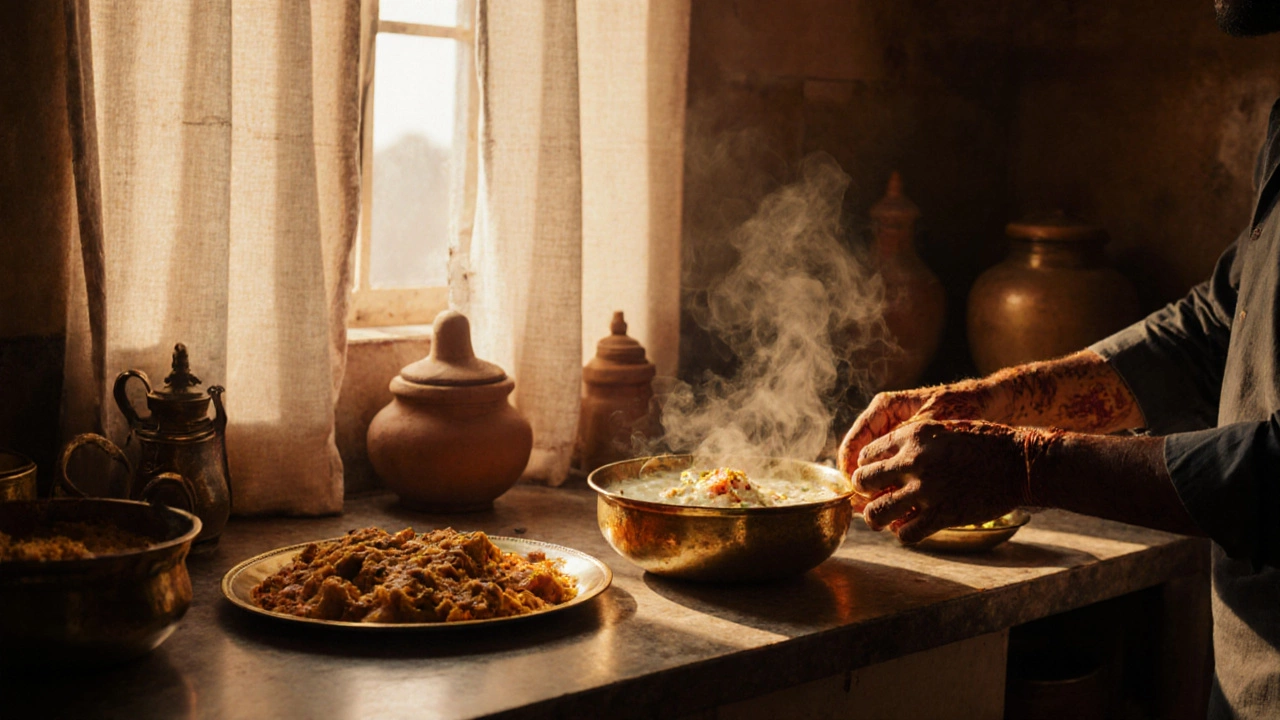
Can Gujaratis Eat Chicken? Understanding Food Culture and Dietary Practices
Most Gujaratis are vegetarian, but many do eat chicken. This article explores the cultural, religious, and generational reasons behind dietary choices in Gujarat - and how modern life is changing traditional food habits.
Read more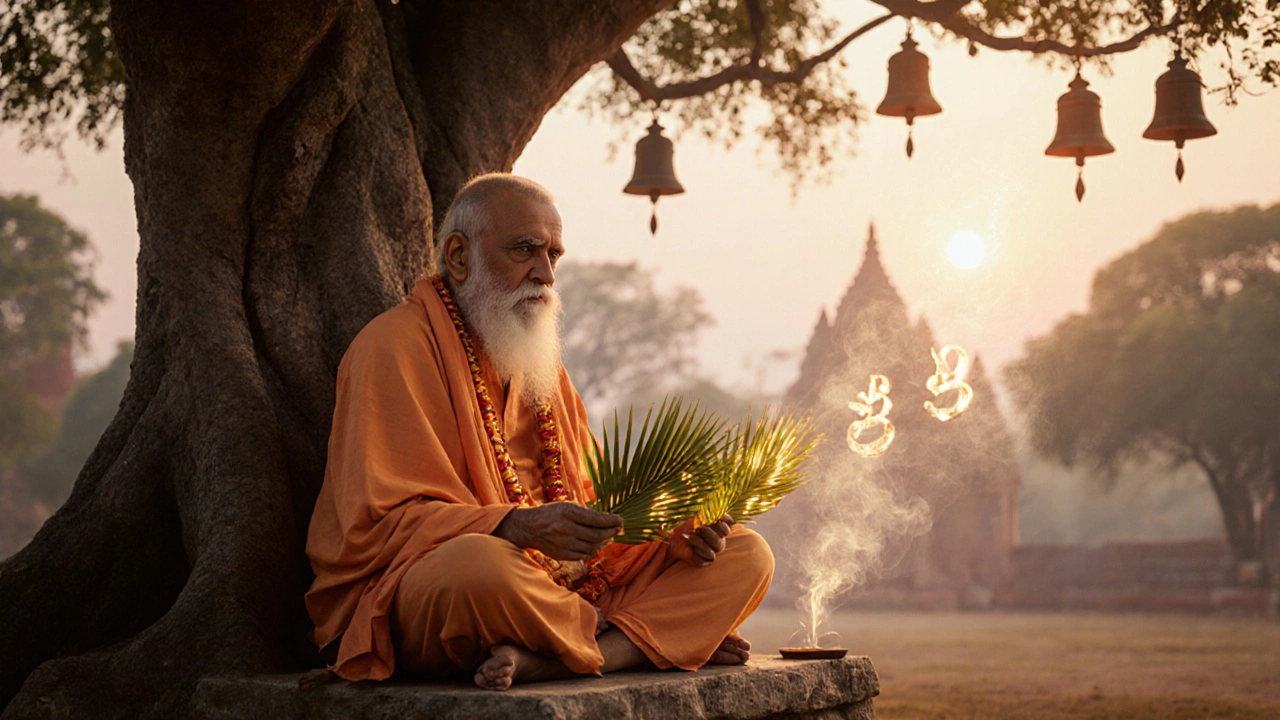
What's the holy book of Hinduism? A clear guide to Hindu scriptures
Hinduism doesn't have one holy book-it has many. Learn about the Vedas, Bhagavad Gita, Upanishads, Puranas, and epics that shape Hindu belief and daily life.
Read more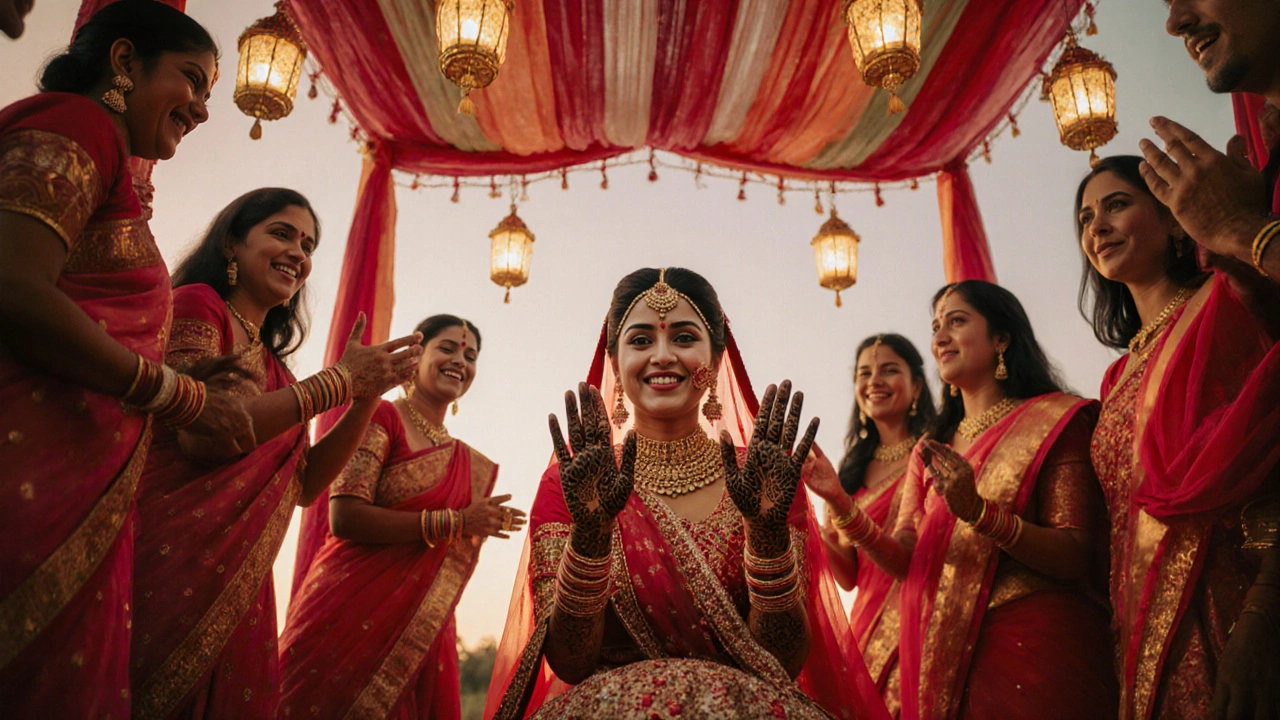
What Does an Indian Wedding Consist Of? A Step-by-Step Breakdown of Traditions
An Indian wedding consists of multiple rituals spread over days, including Mehendi, Sangeet, Baraat, Pheras, and Griha Pravesh. Each step holds deep cultural and spiritual meaning, blending family, faith, and tradition.
Read more