Terracotta Investment & Impact Estimator
Discover how direct-to-consumer sales change the economics for artisans and buyers.
Simulation Inputs
Enter values and click calculate to see the economic breakdown.
Why This Matters
Authenticity: Look for Geographical Indication tags like Bishnupur Terracotta to ensure origin and quality.
Functionality: Functional items (plates, planters) have higher repeat purchase rates than decorative statues.
Sustainability: Plastic-free alternatives are driving 18% YoY growth in this sector.
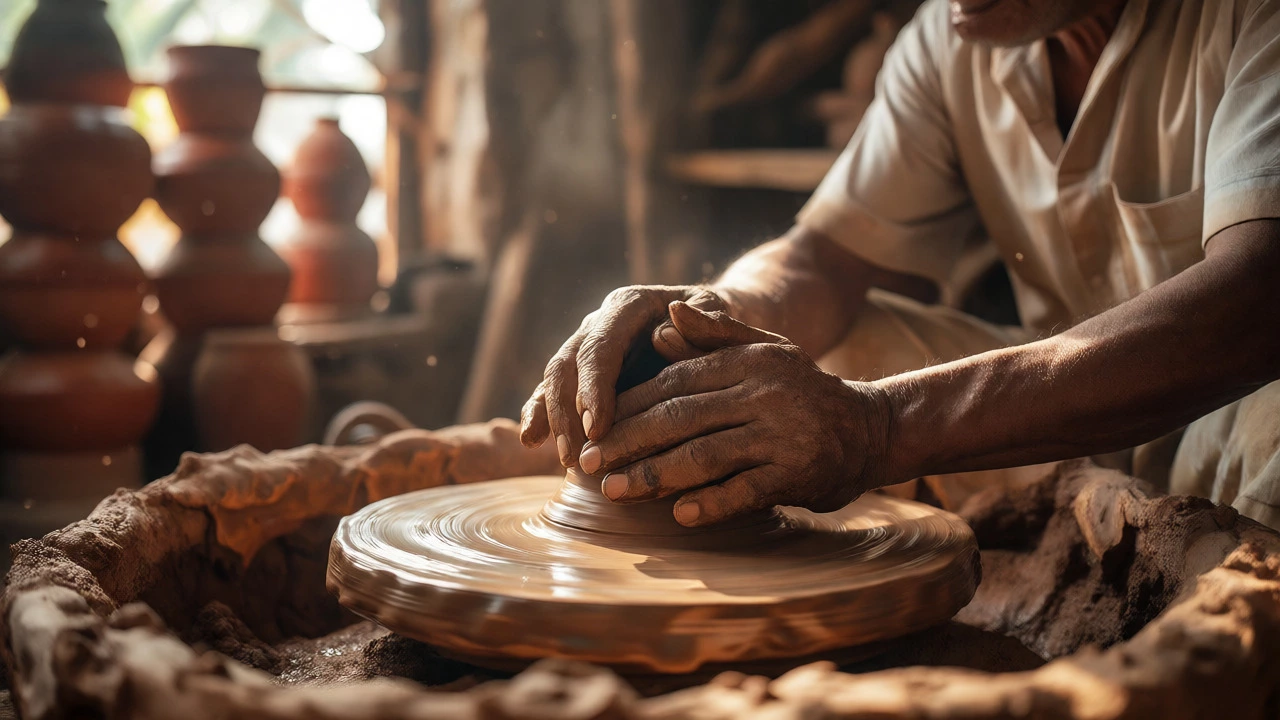
You might expect the answer to be something high-tech or digital. But if you look at what’s actually flying off shelves and crossing borders right now, it’s mud. Specifically, Terracotta is currently experiencing a massive surge in demand across India, outpacing traditional favorites like silk sarees or brassware in growth rate percentage. It sounds counterintuitive, doesn’t it? We live in an age of smartwatches and AI, yet ancient clay pots are having their biggest moment in decades.
This isn't just about nostalgia. It’s about a fundamental shift in how people buy things. Consumers are tired of plastic. They want texture, history, and sustainability. And Indian artisans, who have mastered this craft for thousands of years, are perfectly positioned to meet that demand. If you’re looking to understand where the money is flowing in the Indian artisanal sector, you need to look at the kilns in West Bengal and Tamil Nadu.
Why Clay is Beating Silk in Growth Rates
Silk has always been the kingpin of Indian exports. But let’s be real: silk is expensive, seasonal, and often tied to formal wear. You don’t wear a Banarasi saree every day. Terracotta, on the other hand, fits into daily life effortlessly. It’s used in dinnerware, home decor, gardening pots, and even jewelry. This utility drives repeat purchases.
According to recent data from the Export Promotion Council for Handicrafts (EPCH), the segment for earthenware and pottery saw a year-on-year growth of nearly 18% in 2025-2026. Compare that to textiles, which hovered around 4-5%, and the difference becomes stark. Why? Because global buyers are actively seeking "plastic-free" alternatives. When a European retailer replaces plastic planters with Indian terracotta, they aren't just buying a pot; they're buying a marketing story about sustainability.
There is also the factor of accessibility. A handloom sari can cost $200-$500. A beautiful set of terracotta bowls costs $20-$40. That price point opens up the market to millions more customers. It moves the product from a luxury purchase to an impulse buy. That volume is what fuels rapid growth.
The Regional Hubs Driving the Boom
Not all terracotta is created equal, and knowing where it comes from matters if you’re sourcing or investing. Two regions dominate this space:
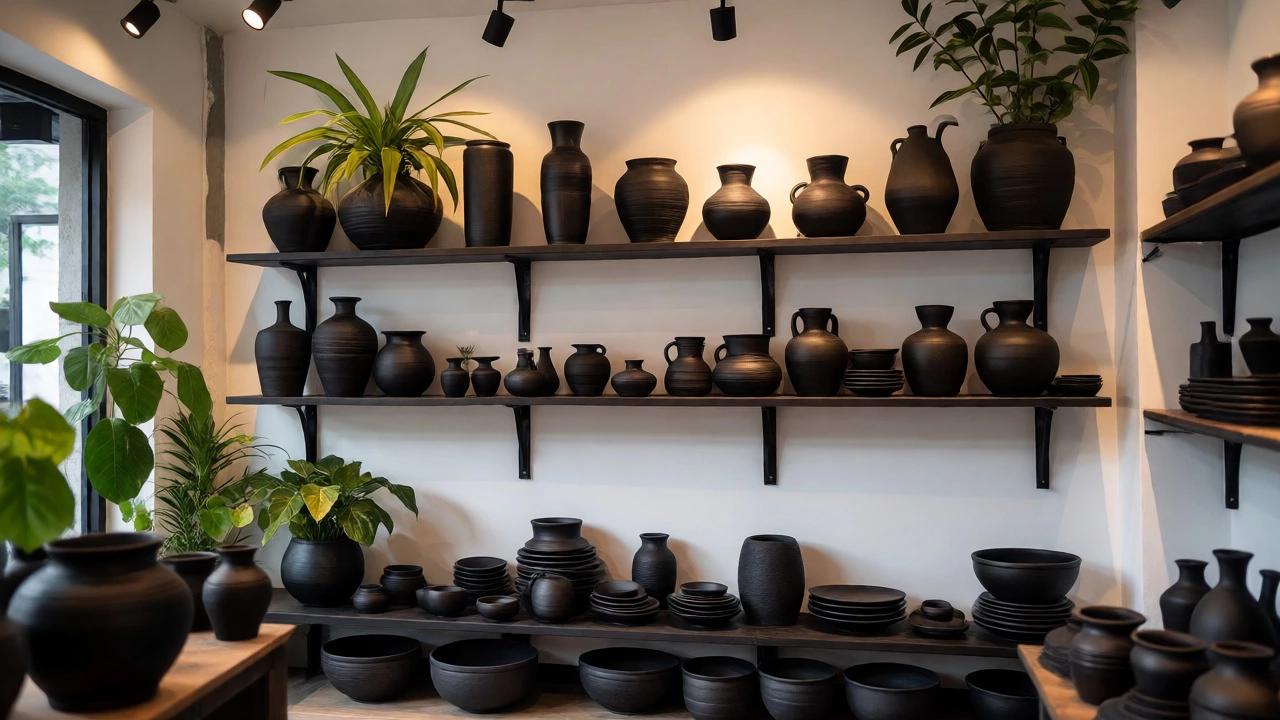
- Bishnupur, West Bengal: Famous for its intricate black terracotta. The artisans here use a specific reduction firing technique that turns the clay dark. This style is hugely popular in Western markets because it looks modern and minimalist despite being ancient.
- Pudukkottai, Tamil Nadu: Known for vibrant, red-orange clay toys and decorative pieces. These items appeal to the gift market and children’s educational toys sector, which is another rapidly expanding niche.
These hubs aren't just workshops; they are entire ecosystems. In Bishnupur, the local government has started supporting logistics improvements, making it easier for small artisans to ship directly to exporters. This reduces middlemen margins, allowing artisans to earn more while keeping retail prices competitive.
How E-commerce Changed the Game
Ten years ago, if you weren't selling through a big export house in Delhi or Mumbai, you were invisible. Today, platforms like Amazon Handmade, Etsy, and specialized Indian portals like Okhai or Jaypore allow a single artisan in a village near Kolkata to sell directly to a customer in London or New York.
This direct-to-consumer model removes layers of markup. An artisan can keep 70% of the sale price instead of 10%. Higher earnings mean better retention of skilled workers. Younger generations are staying in the craft because it’s finally profitable. This influx of new talent brings fresh designs-think terracotta phone cases, laptop sleeves, and modular wall art-that appeal to younger demographics.
Furthermore, social media plays a huge role. Instagram reels showing the process of wheel-thrown clay turning into finished goods go viral easily. People love watching the transformation. This visual storytelling builds brand loyalty faster than any traditional ad campaign could.
Comparing Top Growing Crafts
To give you a clear picture, here is how terracotta stacks up against other major contenders in the Indian handicraft market for 2026.
| Craft Category | Primary Market Driver | Avg. Price Point | Growth Rate | Key Challenge |
|---|---|---|---|---|
| Terracotta/Pottery | Sustainability & Home Decor | $15 - $50 | High (18%) | Fragility during shipping |
| Handloom Textiles | Fashion & Luxury | $100 - $500+ | Moderate (5%) | Counterfeits & Speed |
| Jute Products | Eco-packaging | $5 - $20 | High (15%) | Low perceived value |
| Brassware | Religious & Traditional | $30 - $150 | Stable (3%) | Design stagnation |
| Wood Carving | Furniture & Art | $200 - $1000+ | Low (2%) | Raw material scarcity |
As you can see, while Jute is close behind due to packaging bans on plastic, Terracotta wins on versatility. You can eat off it, plant in it, and hang it on your wall. Jute is mostly limited to bags and packaging.
Challenges You Should Know About
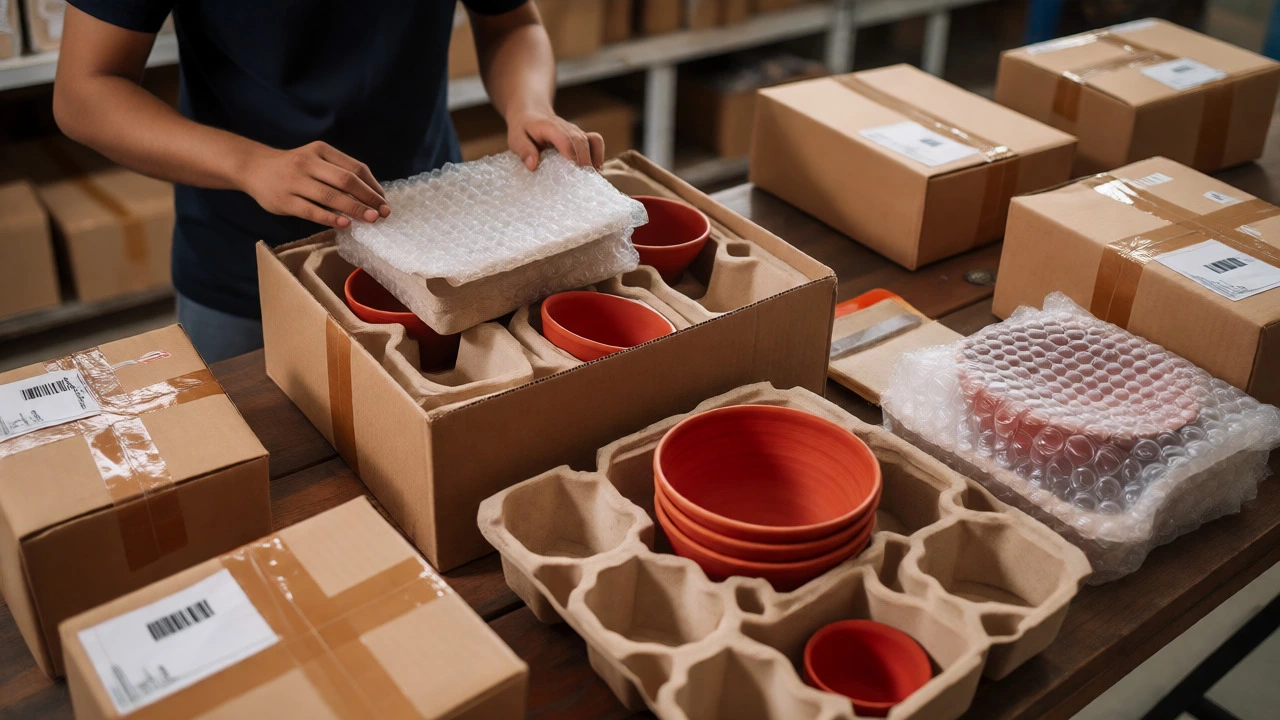
It’s not all sunshine and kiln smoke. The biggest headache for anyone entering this space is breakage. Clay breaks. Period. If you’re shipping internationally, you need robust packaging. Bubble wrap isn't enough; you need custom molded pulp inserts or double-boxing strategies. This adds to the carbon footprint and cost, slightly offsetting the "eco-friendly" claim.
Another issue is standardization. Handmade means variations. One bowl might be 10cm wide, the next 10.5cm. For mass retailers, this inconsistency is a nightmare. They prefer uniformity. However, for boutique buyers and online consumers, these imperfections are seen as features, not bugs. Understanding who your buyer is makes or breaks your strategy.
Finally, there is the raw material concern. While clay is abundant, good quality clay suitable for fine detailing is becoming harder to source near urban centers due to real estate expansion. Artisans are moving further away from cities, which complicates logistics.
How to Capitalize on This Trend
If you’re a consumer, buyer, or entrepreneur, here is how you ride this wave:
- Look for GI Tags: Check for Geographical Indication tags. Bishnupur Terracotta has a GI tag. This guarantees authenticity and origin, adding resale value.
- Focus on Utility: Don't just buy decorative statues. Buy functional items. Plates, mugs, and planters have higher turnover rates than figurines.
- Support Direct Sellers: Use platforms that highlight the artisan’s name. Your money goes further when it reaches the maker.
- Combine with Modern Design: Look for collaborations between traditional potters and modern designers. These hybrid products tend to command higher prices and attract younger buyers.
The rise of terracotta isn't a fluke. It’s a response to a global crisis of overconsumption and plastic waste. By choosing earth over plastic, consumers are voting with their wallets. And for India, this is a golden opportunity to revive ancient skills while building a modern export economy.
Is terracotta really the fastest growing handicraft in India?
Yes, based on recent export data and domestic sales trends in 2025-2026, terracotta and earthenware segments are showing growth rates significantly higher than textiles or metal crafts, driven largely by the global shift toward sustainable home goods.
Why is terracotta gaining popularity globally?
Global consumers are increasingly rejecting plastic products. Terracotta offers a natural, biodegradable, and aesthetically pleasing alternative for home decor and dining, aligning with eco-friendly lifestyle trends.
Which region in India produces the best terracotta?
Bishnupur in West Bengal is renowned for its intricate black terracotta, while Pudukkottai in Tamil Nadu is famous for colorful decorative pieces. Both regions have distinct styles and strong artisan communities.
What are the main challenges in selling terracotta online?
The primary challenge is fragility during shipping. Proper packaging is essential to prevent breakage, which can increase costs. Additionally, managing customer expectations regarding handmade variations is crucial.
Are terracotta products safe for food use?
Generally, yes, provided they are made from non-toxic clay and lead-free glazes. Always check for food-safe certifications or labels, especially for imported goods, to ensure no harmful chemicals leach into food.