
Ethnicity vs. Nationality Identifier
Based on the article "Indian Ethnicity vs. Nationality," test your understanding of when someone is legally Indian versus ethnically Indian. Select the scenario that best fits the definition provided.
Result
You walk into a hotel lobby in London or New York. A guest checks in with an Indian passport. The receptionist smiles and asks, "Are you from India?" The guest hesitates. Maybe they were born in Mumbai but raised in Toronto. Maybe their parents are from Punjab, but they’ve never visited the subcontinent. This hesitation reveals a massive confusion that trips up travelers, marketers, and even well-meaning friends: Is Indian an ethnicity or a nationality?
The short answer is both, but not at the same time for the same person. And that distinction matters, especially if you’re planning a trip to India or trying to understand the people you meet there. Confusing these two concepts leads to awkward conversations, missed cultural nuances, and a shallow understanding of what makes this country so vibrant. Let’s clear up the fog.
Nationality Is About Paper; Ethnicity Is About Blood and Culture
Nationality is a legal status. It’s about citizenship, passports, voting rights, and where your government says you belong. If you hold an Indian passport, you have Indian nationality. Period. It doesn’t matter if you look Scandinavian, speak no Hindi, or have never eaten a samosa. You are legally Indian.
Ethnicity, on the other hand, is about shared culture, ancestry, language, and history. It’s messy, fluid, and deeply personal. When someone identifies as ethnically Indian, they’re usually referring to one of hundreds of distinct groups within the country-like Tamils, Bengalis, Punjabis, or Marathis-or the broader diaspora community that shares those roots.
Think of it this way: Nationality is the box the government puts you in. Ethnicity is the story your family tells you around the dinner table. In India, the box is small (one nation), but the stories are endless (thousands of ethnicities).
Why One Country Holds Hundreds of Ethnic Identities
India isn’t a monolith. It’s a continent disguised as a country. The Republic of India recognizes 22 scheduled languages, but linguists count over 1,600 dialects. Each linguistic group often correlates with a distinct ethnic identity.
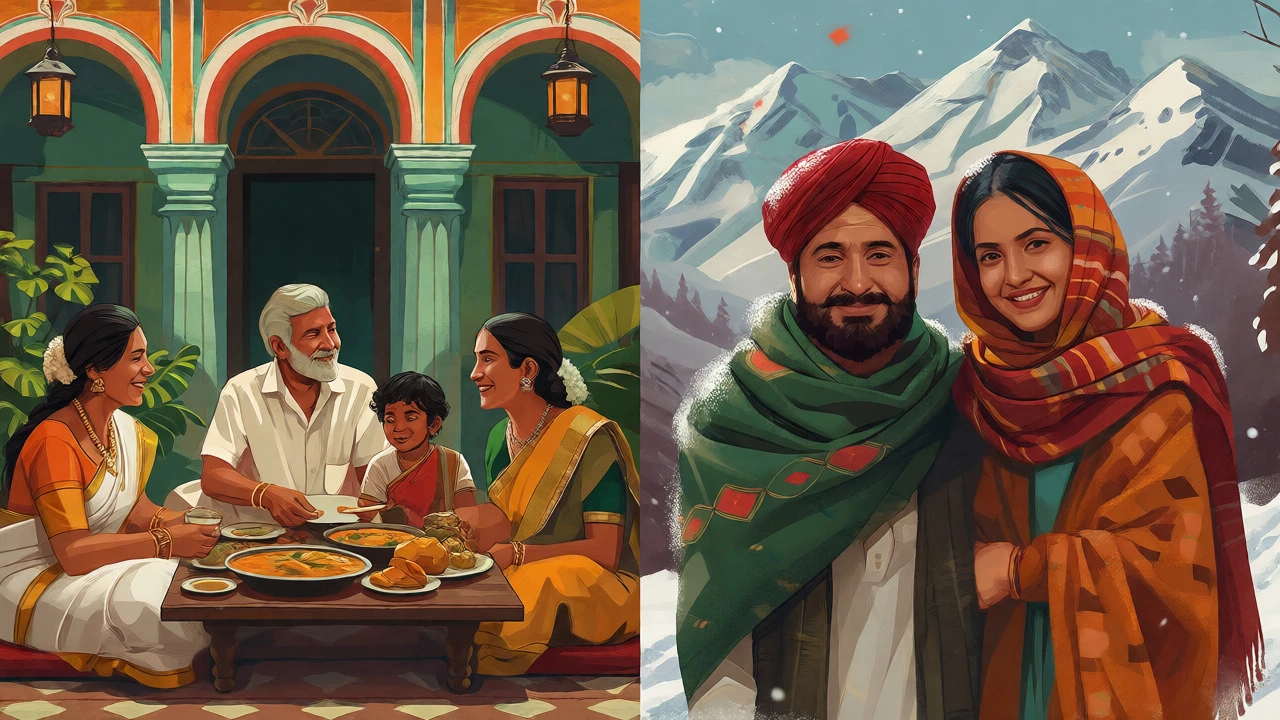
For example, a Tamil person from Chennai shares a nationality with a Kashmiri person from Srinagar. But their food, clothing, festivals, and even facial features might differ significantly. They share the flag and the constitution, but their ethnic DNA-their lived experience-is worlds apart.
This diversity is why you can’t just say "I’m doing research on Indian culture." That’s like saying you’re researching "European culture" without specifying if you mean Norwegian fishing villages or Sicilian lemon groves. To truly engage with cultural tourism in India, you need to zoom in on specific regional and ethnic contexts.
| Feature | Nationality (Legal) | Ethnicity (Cultural/Ancestral) |
|---|---|---|
| Definition | Citizenship status granted by the state | Shared heritage, language, and traditions |
| Flexibility | Fixed unless changed via law (e.g., OCI cardholder) | Fluid; individuals may identify with multiple or none |
| Examples | Indian Passport Holder, Overseas Citizen of India (OCI) | Punjabi, Gujarati, Malayali, Sindhi, Kashmiri Pandit |
| Relevance to Travel | Determines visa requirements and entry rules | Determines local etiquette, cuisine preferences, and hospitality norms |
The Diaspora Dilemma: Are NRIs Ethnically Indian?
Non-Resident Indians (NRIs) and Persons of Indian Origin (PIOs) complicate things further. An NRI might hold American or British nationality but still feel deeply connected to their ethnic roots. Conversely, a second-generation immigrant in London might have Indian ethnicity but zero connection to the modern Indian nation-state.
If you’re traveling to India, you’ll meet many returnees who are ethnically Indian but culturally adapted to Western norms. They might struggle with spicy food or find the heat overwhelming. Recognizing this helps you adjust your expectations. Don’t assume every person with brown skin and an Indian surname knows how to navigate the chaos of Delhi traffic or understands the significance of Diwali beyond the lights.
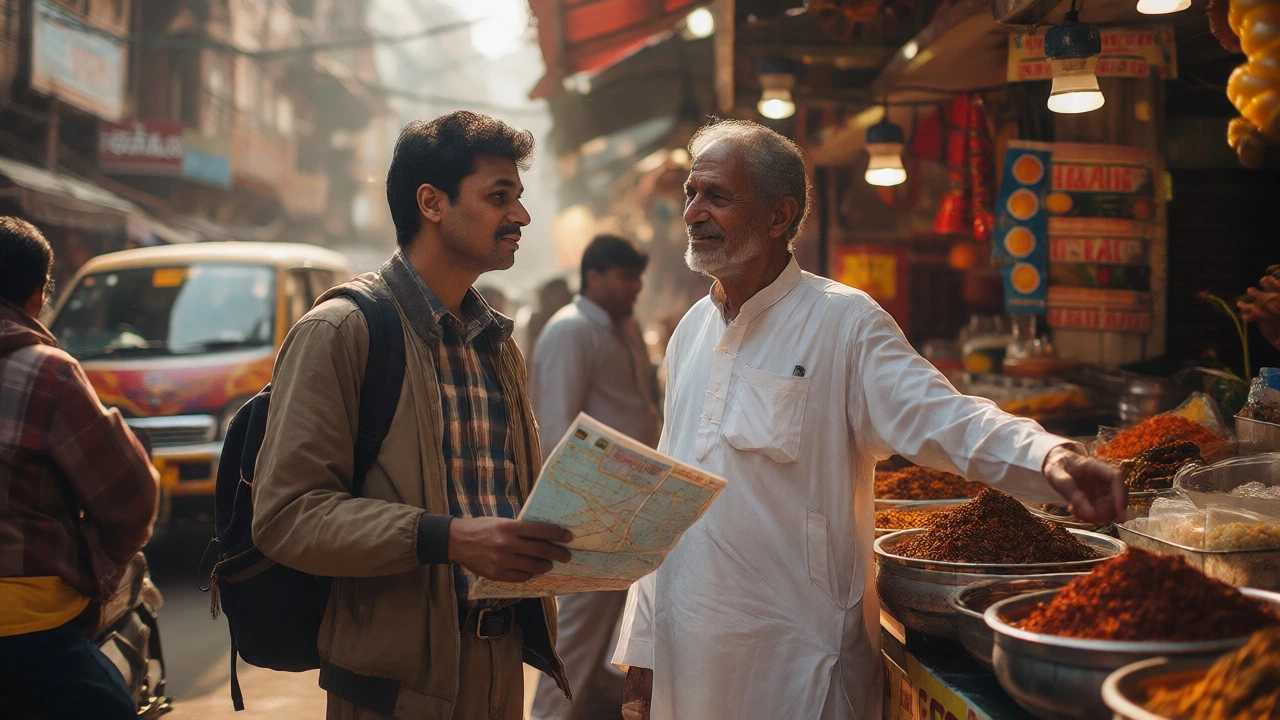
Conversely, don’t mistake an ethnic Indian tourist for a local guide. They might be visiting their ancestral homeland for the first time. Approach them with curiosity, not assumption. Ask, "Have you been here before?" rather than assuming they know the best street food stall in Old Delhi.
How This Impacts Your Cultural Tourism Experience
Understanding the split between nationality and ethnicity transforms how you travel. Here’s what to keep in mind:
- Language Barriers Aren’t What You Think: Just because someone has an Indian passport doesn’t mean they speak Hindi. In the South, Tamil or Telugu is primary. In the Northeast, dozens of tribal languages dominate. Learn a few phrases in the local language, not just "Namaste."