Gujarati Flavor Balance Calculator
Choose a region or dish style to see how its flavor profile compares.
Flavor Profile: Traditional Gujarati
Based on typical restaurant preparations
Ask anyone who has tried Gujarati food for the first time if it is spicy, and you will likely get a confused look. If you are coming from the fiery curries of Andhra Pradesh or the heavy chutneys of Tamil Nadu, Gujarat feels like a completely different culinary universe. The short answer is no, traditional Gujarati cuisine is not spicy in terms of heat. It does not burn your tongue or make you reach for a glass of milk to cool down.
However, calling it "bland" would be a massive mistake. The flavor profile here is complex, relying on a delicate balance of sweet, sour, and savory notes rather than the scorching heat of chili peppers. To understand why this western Indian state has such a distinct palate, we have to look at its history, its religious roots, and the specific ingredients that define its identity.
The Sweet-Sour Balance: Defining the Flavor Profile
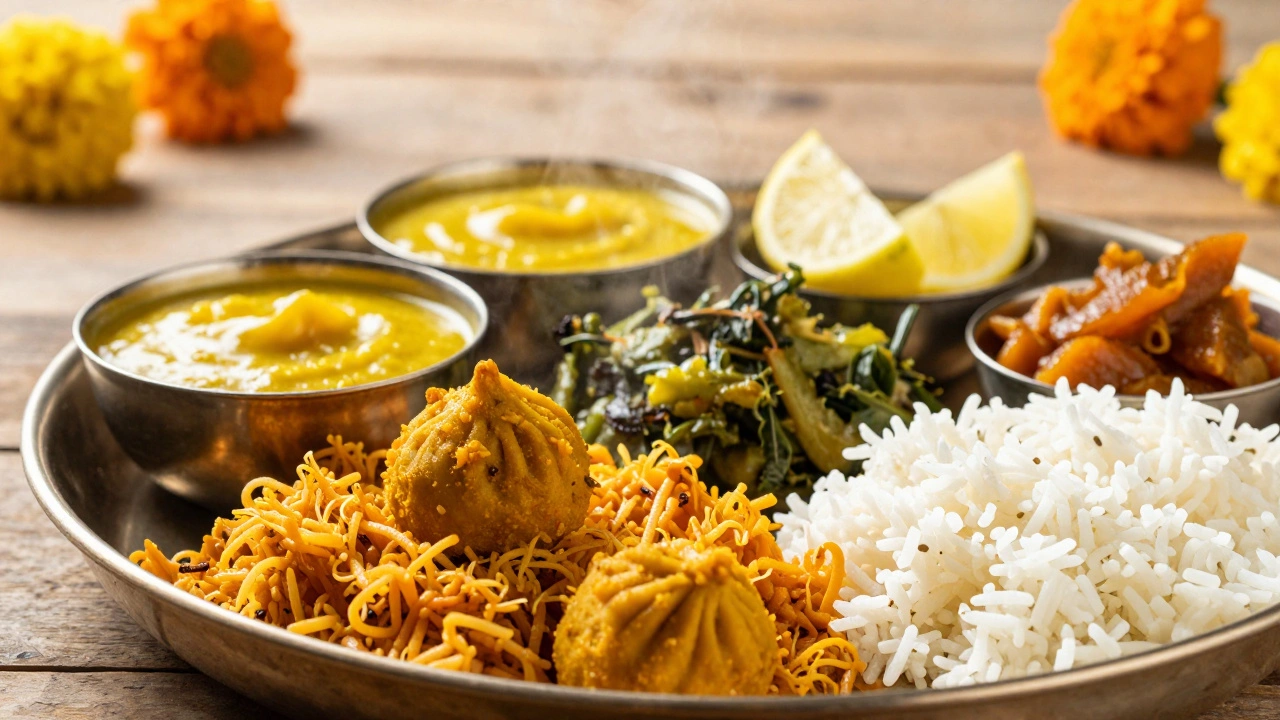
The defining characteristic of Gujarati cuisinea regional style of cooking known for its sweet-sour taste and vegetarian focus is the interplay between sweetness and acidity. Most dishes start with a base of onions, tomatoes, and spices, but then they are finished with a splash of lemon juice or tamarind pulp and a sprinkle of sugar or jaggery.
This combination creates a depth of flavor that is refreshing rather than aggressive. Take Undhiyu, perhaps the most famous dish from the region. It is a winter specialty made with mixed vegetables like surti methi (fenugreek leaves), yam, and potatoes. The dish is slow-cooked to bring out natural sugars, and while it uses dried red chilies, the heat is muted by the earthiness of the vegetables and the richness of coconut oil. You taste the aroma of the spices, but you do not feel the burn.
Even breakfast staples follow this rule. Thepla, a spiced flatbread, often contains fenugreek leaves which add a slight bitterness, balanced by turmeric and just enough chili powder to give color without overwhelming heat. It is usually eaten with white butter or pickles, where the pickle provides the actual kick, not the bread itself.
Why Is Gujarat Food Mild? History and Religion
To understand the lack of heat, you have to look at who cooks and eats this food. Gujarat is home to a significant population of Jains and strict vegetarians. Jainism, an ancient Indian religion, emphasizes non-violence (Ahimsa) towards all living beings. This belief system has profoundly shaped the local diet.
Jain dietary rules prohibit the consumption of root vegetables like onions and garlic because pulling them up kills the plant and disturbs insects in the soil. Without onions and garlic, which are primary carriers of pungency and heat in many Indian cuisines, cooks had to find other ways to build flavor. They turned to ginger, asafoetida (hing), and a variety of herbs. These ingredients provide aromatic complexity without the sharp, biting heat associated with onion-garlic bases.
Furthermore, the historical context matters. Gujarat was a major trading hub for centuries, connecting India with East Africa, the Middle East, and Southeast Asia. This trade brought in spices, but also influenced eating habits. The community valued sustenance and digestibility, especially for merchants traveling long distances. Heavy, spicy foods can be hard on the stomach during travel, whereas the lighter, well-balanced meals of Gujarat were easier to digest and provided steady energy.
The Role of Chilies in Gujarati Cooking
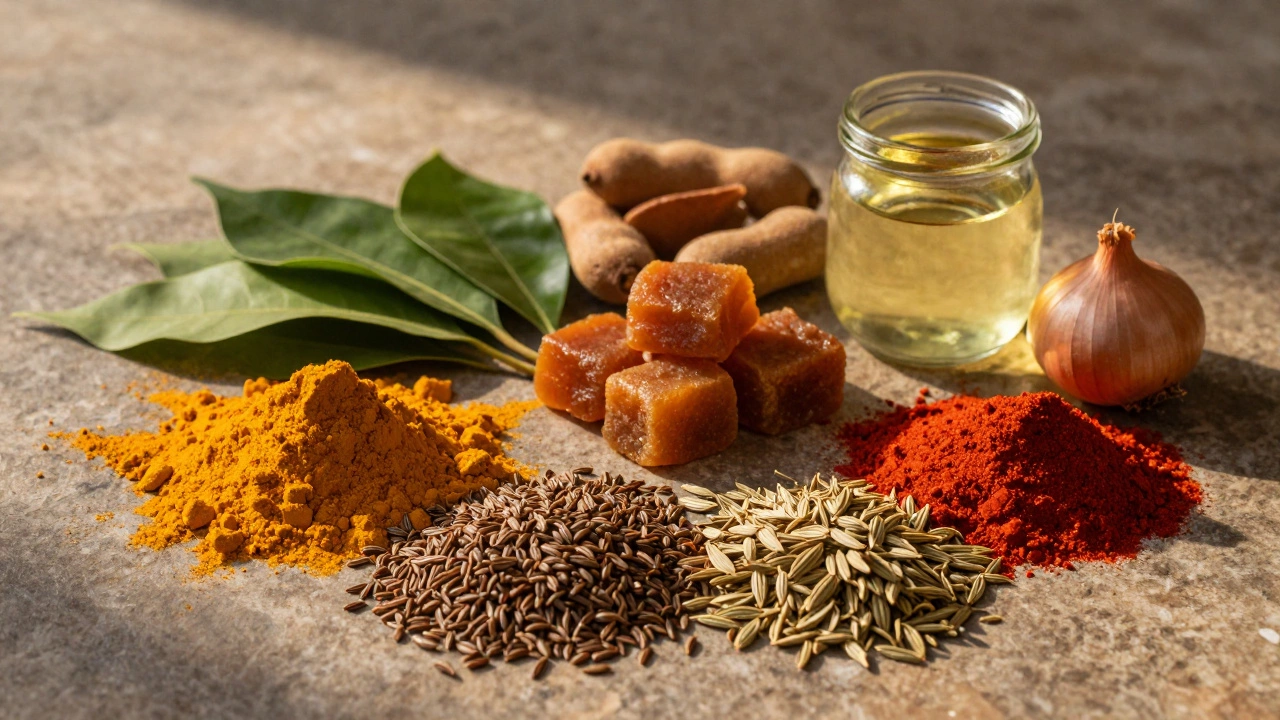
Does that mean there are no chilies at all? Not exactly. Dried red chilies are used, but they serve a different purpose than in other regions. In South India, green chilies are chopped and added raw or cooked to deliver immediate heat. In Gujarat, red chilies are often ground into a powder or used whole in tempering.
The key difference is quantity and type. Cooks use Kashmiri red chilies, which are prized for their vibrant red color and mild heat level, rather than the hotter Byadgi or Guntur varieties. The goal is to achieve a beautiful orange-red hue in the curry, signaling that it is flavorful, without making it inedible for children or those with sensitive stomachs.
If you order a "spicy" dish in Gujarat, it might still be milder than a "medium" dish in Maharashtra. The concept of spice here refers more to the variety of masalas-cumin, coriander, fennel, mustard seeds-than to capsaicin levels.
Common Misconceptions About Gujarati Spice Levels
Many people outside India assume all Indian food is uniformly hot. This stereotype leads to disappointment when visitors encounter the subtlety of western Indian cuisine. Another misconception is that mild means boring. In reality, achieving the right balance of sweet, sour, salty, and bitter requires more skill than simply dumping chili powder into a pot.
Consider Dal Dhokli. It consists of wheat flour dumplings cooked in a lentil stew. The dal is tempered with cumin, mustard seeds, and dried red chilies, but the overall experience is comforting and warm. The sourness comes from tomatoes or amchur (dry mango powder), which cuts through the heaviness of the wheat. It is a meal designed to nourish, not to shock the senses.
Comparison Table: Heat Levels Across Indian Regions
| Region | Primary Heat Source | Flavor Profile | Typical Heat Level (1-10) |
|---|---|---|---|
| Gujarat | Dried Red Chilies, Hing | Sweet, Sour, Earthy | 2 - 4 |
| Maharashtra | Kashmiri Chilies, Kokum | Tangy, Moderate Heat | 4 - 6 |
| Rajasthan | Red Chili Powder, Ghee | Rich, Smoky, Hot | 5 - 7 |
| Tamil Nadu | Green Chilies, Curry Leaves | Tangy, Very Hot | 7 - 9 |
| Andhra Pradesh | Guntur Chilies, Goda Masala | Intense Heat, Sour | 8 - 10 |
Vegetarian Innovation Without Heat
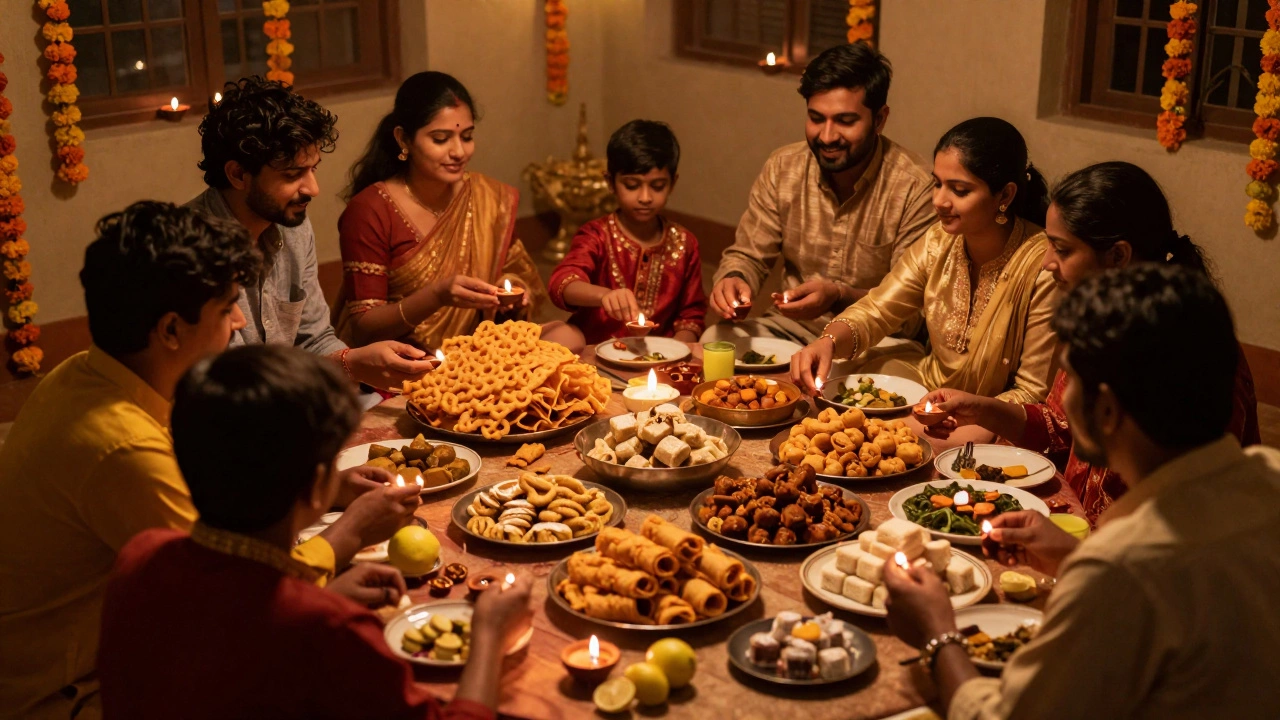
Because meat is rarely consumed in traditional Gujarati homes, vegetables become the star. To make carrots, beans, and potatoes interesting without relying on meat stocks or heavy spice rubs, cooks use techniques like roasting, frying, and fermenting.
Khandvi is a perfect example. Made from chickpea flour batter rolled around a thin layer of yogurt and tempered with mustard seeds and curry leaves, it is soft, tangy, and mildly spiced. It is a festive dish that showcases texture and subtle flavors. Similarly, Fafda, a crispy fried snack made from gram flour, is lightly spiced with carom seeds (ajwain) and served with a sweet potato sev. The crunch and the slight tanginess make it addictive, despite the low heat.
This approach makes Gujarati food incredibly accessible. It is safe for kids, elderly people, and anyone with a low tolerance for spice. Yet, it remains deeply satisfying because of the layering of spices like fennel powder, which adds a licorice-like sweetness, and cumin, which adds warmth.
How to Enjoy Authentic Gujarati Food
If you are planning to try authentic Gujarati food, keep these tips in mind:
- Expect Sweetness: Even savory dishes may have a hint of sugar. Do not be alarmed; it is meant to balance the sourness of tomatoes or lemon.
- Pair with Pickles: If you want more heat, eat your mild thali with a strong mango or lime pickle. This allows you to control the spice level yourself.
- Try the Bread: Don't skip the Rotla (millets or wheat flatbread). It is rustic and pairs perfectly with dal and vegetable curries.
- Finish with Dessert: Gujarati sweets like Mohanthal (gram flour fudge) or Shrikhand (strained yogurt dessert) are rich and dense, providing a perfect end to a meal.
Conclusion: A Gentle Culinary Experience
So, is Gujarat food spicy? No, it is not. But it is far from plain. It is a cuisine that respects the natural flavors of ingredients, using spices as accents rather than dominators. For those overwhelmed by the intensity of other Indian regional cuisines, Gujarat offers a welcoming, gentle, and deeply flavorful alternative. It proves that you do not need heat to create memorable food.
Is Gujarati food suitable for people who cannot eat spicy food?
Yes, absolutely. Gujarati cuisine is one of the mildest in India. While it uses spices for flavor, it rarely uses high amounts of chili powder or fresh green chilies that cause burning sensations. It is ideal for those with sensitive stomachs or low spice tolerance.
Why is there sugar in savory Gujarati dishes?
Sugar or jaggery is added to balance the sourness from tomatoes, tamarind, or lemon juice. This sweet-sour combination is a hallmark of the cuisine and enhances the overall taste without making the dish dessert-like.
Are there any spicy options in Gujarati restaurants?
Some modern or fusion Gujarati restaurants may offer spicier versions of dishes to cater to diverse tastes. However, traditional recipes remain mild. You can ask for extra chili powder or side chutneys if you prefer more heat.
What is the difference between Gujarati and Rajasthani food?
While both are western Indian cuisines, Rajasthani food tends to be richer, heavier, and spicier, often using ghee and red chili powder generously. Gujarati food is lighter, sweeter, and focuses more on vegetable textures and sweet-sour balances.
Can I find vegan options in Gujarati cuisine?
Yes, many traditional Gujarati dishes are naturally vegan, especially those prepared by Jain communities which avoid dairy as well. Dishes like Undhiyu (without coconut oil if preferred) and various sabzis are vegan-friendly. Always check for ghee or yogurt in preparations.