India Trip Budget Calculator (2026)
Backpacker
Hostels, street food, public transport
$30 - $50 / dayMid-Range
Boutique hotels, restaurants, auto-rickshaws
$80 - $150 / dayLuxury
Palace hotels, private drivers, fine dining
$250+ / dayTrip Details
Estimated Cost Breakdown
Total: $0Based on 2026 market rates. Prices may vary by region and season.
There is a persistent myth that visiting India is a destination where your money stretches infinitely far due to low local costs. While it is true that India remains one of the most affordable destinations on Earth, the reality in 2026 is more nuanced. The answer to "is India expensive" depends entirely on how you choose to travel, what season you pick, and whether you are chasing luxury or authenticity.
If you are used to Western price structures, the initial shock will be positive. A three-course meal might cost less than a coffee back home. However, inflation has crept up, particularly in tourist hubs like Goa, Rajasthan, and Delhi. The key is understanding where the value lies and where the traps are hidden. This guide breaks down the actual costs so you can plan without anxiety.
The Currency Reality: Rupee vs. Dollar/Pound
To understand the cost, you first need to look at the exchange rate. As of mid-2026, the Indian Rupee (INR) hovers around 83-85 INR for 1 USD and roughly 105-110 INR for 1 GBP. This disparity creates a massive purchasing power advantage for travelers from Europe, North America, and Australia.
However, do not assume this means everything is free. Local wages have risen, and so have service costs in premium sectors. For a backpacker, $50 a day is a lavish budget. For a mid-range traveler seeking comfort, $100-$150 a day keeps you in excellent hotels with private transport. Luxury travelers can spend $300+ daily and still find incredible value compared to Europe or Southeast Asia.
| Travel Style | Daily Cost (USD) | Daily Cost (GBP) | What You Get |
|---|---|---|---|
| Backpacker | $30 - $50 | £24 - £40 | Hostels, street food, public buses/trains |
| Mid-Range | $80 - $150 | £65 - £120 | 3-4 star hotels, auto-rickshaws, restaurant meals |
| Luxury | $250+ | £200+ | Palace hotels, private drivers, fine dining |
Accommodation: From Hostels to Heritage Palaces
Where you sleep is often the biggest variable in your budget. India offers a staggering range of options. In cities like Mumbai or Delhi, you can find clean, safe hostels for as little as $5-$8 per night. These usually include Wi-Fi, lockers, and sometimes breakfast.
For mid-range travelers, the sweet spot is the boutique hotel sector. Cities like Jaipur, Udaipur, and Varanasi are filled with heritage properties-old havelis converted into hotels-that offer character and comfort for $40-$70 per night. This is where India shines; you get history and hospitality that would cost triple in other parts of the world.
Luxury accommodation in India is world-class but pricey. Taj Mahal Palace in Mumbai or Oberoi Udaivilas in Rajasthan can exceed $300 per night. Yet, even here, the service level justifies the cost if you are looking for an indulgent experience. Always book directly or use reputable platforms to avoid last-minute price surges during peak seasons.
Food Costs: Eating Well Without Breaking the Bank
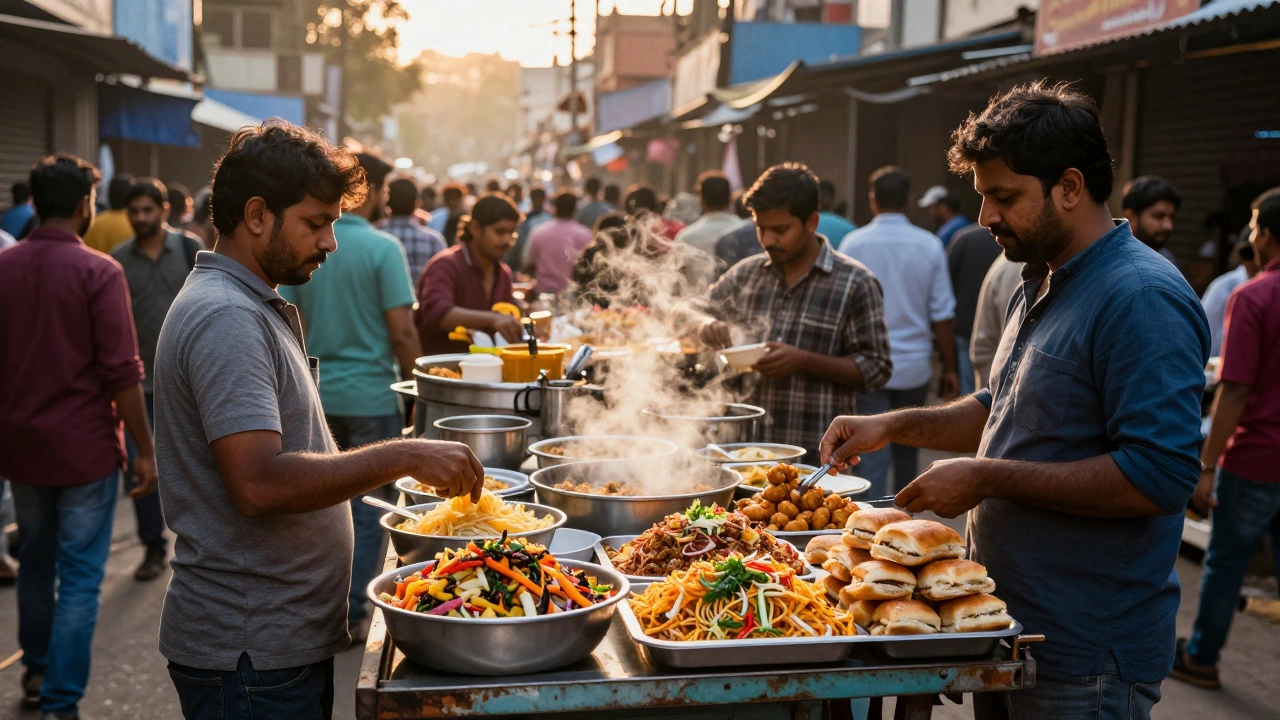
Food is where your wallet will thank you the most. Indian cuisine is diverse, flavorful, and incredibly cheap when eaten locally. Street food vendors sell vada pav (a potato fritter sandwich) or chaat (spicy snack platters) for under $0.50. A full thali (platter) at a local vegetarian restaurant might cost $2-$4.
As you move to mid-range restaurants, prices rise but remain modest. A nice dinner for two with drinks in a city center could run $15-$25. Fine dining in metropolitan areas like Bangalore or Hyderabad has grown sophisticated, with tasting menus reaching $50-$100 per person. Even then, this is a fraction of comparable experiences in London or New York.
Be cautious of "tourist trap" restaurants near major monuments. They often charge 3-5 times the local rate for inferior food. Look for places crowded with locals or check recent reviews. Also, remember that water bottles cost pennies, but buying them in large quantities at supermarkets saves more than buying single-use bottles on the street.

Transportation: Getting Around Efficiently
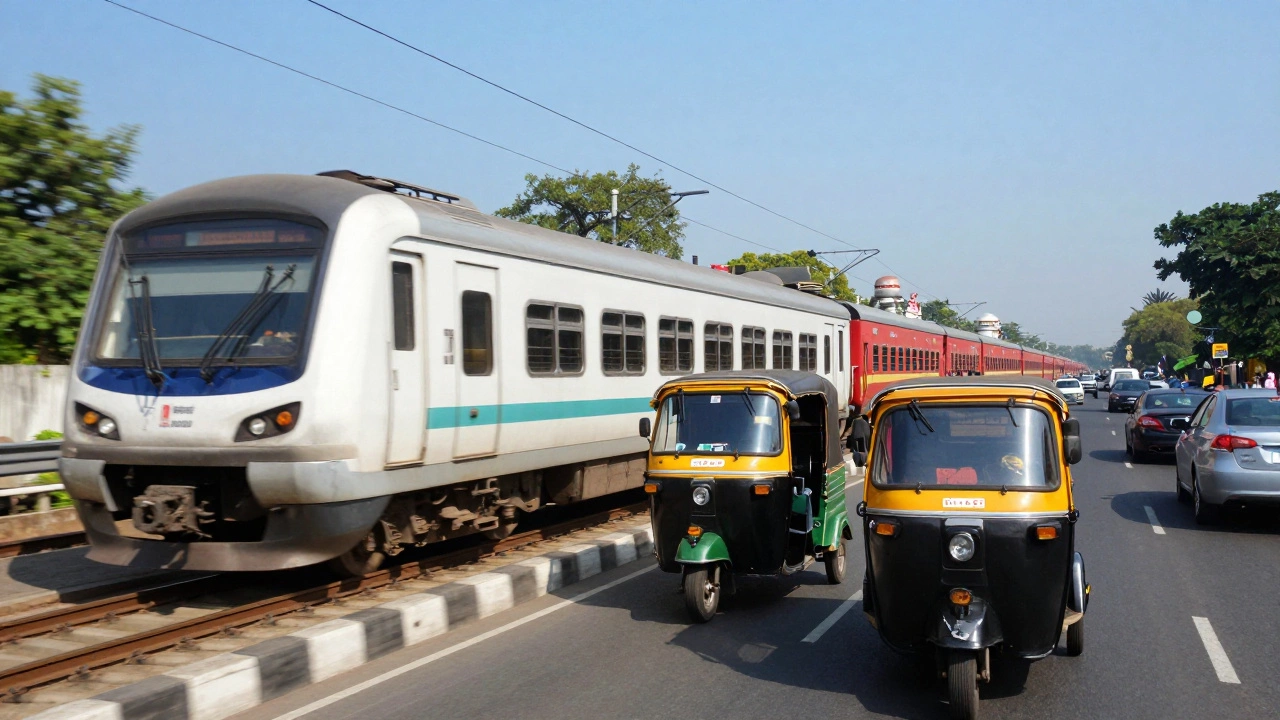
Moving between cities and within them requires strategy. Long-distance trains are iconic and affordable. A sleeper class ticket on the Indian Railways network can cost $10-$30 for overnight journeys that take 10-15 hours. Air India and IndiGo offer domestic flights that can be booked for $50-$80 if planned in advance, cutting travel time significantly.
Within cities, auto-rickshaws are ubiquitous. Fares are negotiable, but apps like Ola and Uber provide fixed rates and transparency, preventing overcharging. Metro systems in Delhi, Mumbai, Bangalore, and Kolkata are efficient, air-conditioned, and cost mere cents per ride. For longer distances or group travel, hiring a private car with a driver for a day ($50-$70) is often cheaper and more comfortable than you’d expect.
Hidden Costs and Money Traps
While base costs are low, several factors can inflate your budget unexpectedly. Visa fees for many nationalities require online processing and can range from $25-$100 depending on your country and duration. Health insurance is non-negotiable; medical care for foreigners in private hospitals is high-quality but billed in dollars or pounds, so ensure your policy covers repatriation.
Tipping culture is subtle but present. In restaurants, a 10% service charge is often included. If not, leaving 5-10% is appreciated. Guides and drivers expect small tips for good service. Another hidden cost is connectivity. Buying a local SIM card from Jio or Airtel for $10 gives you unlimited data for months, saving you from exorbitant roaming charges.
Seasonal Price Fluctuations
Timing your visit drastically affects cost. The peak tourist season runs from October to March, when the weather is pleasant. During this window, hotel prices surge by 30-50%, and flights fill up quickly. The monsoon season (June-September) sees lower prices, but some regions become inaccessible or less enjoyable due to heavy rains.
Summer (April-June) is hot, especially in the north, but it’s the cheapest time to visit. Hotels offer deep discounts, and attractions are less crowded. If you can handle the heat, you save significantly. Shoulder seasons like late September or early April offer a balance of moderate prices and decent weather.
Activities and Entry Fees
Many of India’s cultural treasures come with entry fees. Foreign tourists pay higher rates than Indians at sites like the Taj Mahal, Red Fort, or Hampi ruins. Expect to pay $15-$20 per monument. Booking tickets online in advance avoids queues and ensures availability. Guided tours add cost but enhance understanding; a knowledgeable guide can transform a simple sightseeing trip into a profound cultural experience.
Adventure activities like trekking in Himachal Pradesh or scuba diving in Andaman Islands vary widely. Basic trekking gear rentals and permits might cost $20-$50, while specialized diving courses can reach $200+. Always compare local operators versus international chains for better deals.
Comparison: India vs. Other Destinations
How does India stack up against other popular destinations? Compared to Thailand or Vietnam, India is generally cheaper for food and accommodation but similar for transport. Against European countries, India is exponentially more affordable across all categories. Even against neighboring Nepal or Sri Lanka, India offers greater variety and often lower daily costs for equivalent comfort levels.
| Destination | Mid-Range Daily Cost (USD) | Meal Cost (Local Restaurant) | Hotel Night (3-Star) |
|---|---|---|---|
| India | $80 - $150 | $3 - $10 | $30 - $60 |
| Thailand | $60 - $120 | $2 - $8 | $25 - $50 |
| Vietnam | $50 - $100 | $2 - $7 | $20 - $45 |
| France | $200 - $400 | $15 - $30 | $100 - $200 |
Practical Tips to Save Money
- Negotiate Wisely: In markets and with rickshaw drivers, negotiate politely but firmly. Start at 50-60% of the quoted price and meet somewhere in the middle.
- Eat Like a Local: Avoid restaurants with picture menus targeting tourists. Seek out small eateries with plastic stools and local crowds.
- Use Public Transport: Buses and metros are clean, safe, and incredibly cheap. Reserve taxis for late nights or long distances.
- Book Accommodations Early: Especially during festivals like Diwali or Holi, prices skyrocket. Book months in advance for best rates.
- Cash is King: While cards are accepted in cities, rural areas rely on cash. Withdraw larger amounts at banks to minimize ATM fees.
Is India safe for solo female travelers?
Yes, India is increasingly safe for solo female travelers, especially those who dress conservatively and stay aware of their surroundings. Popular tourist circuits like Rajasthan, Kerala, and Goa have established safety protocols. However, exercising caution, avoiding isolated areas at night, and using reputable transport services is essential. Many women report positive experiences, but vigilance remains key.
What is the best time to visit India for budget travelers?
The summer months (April-June) offer the lowest prices for hotels and flights, despite the heat. Shoulder seasons like late September or early October also provide good value with milder weather. Avoid peak winter months (December-January) if budget is a primary concern, as prices peak during this period.
Do I need travel insurance for India?
Absolutely. Medical emergencies can be costly for foreigners, and private healthcare facilities bill in foreign currencies. Comprehensive travel insurance covering medical evacuation, hospitalization, and trip cancellation is crucial. It provides peace of mind and financial protection against unforeseen events.
Can I drink tap water in India?
No, never drink tap water in India. Use bottled water from reputable brands or carry a portable water purifier. Even brushing teeth should ideally be done with purified water to avoid stomach issues. Staying hydrated is critical, so always have access to safe drinking water.
How much should I budget for a 2-week trip to India?
For a mid-range experience, budget approximately $1,200-$2,000 per person for two weeks. This covers accommodation, meals, internal transport, and entry fees. Backpackers can manage on $600-$900, while luxury travelers may spend $3,500+. Adjust based on your preferred style and specific destinations visited.