Global Food Popularity Calculator
Enter values above to see comparative analysis
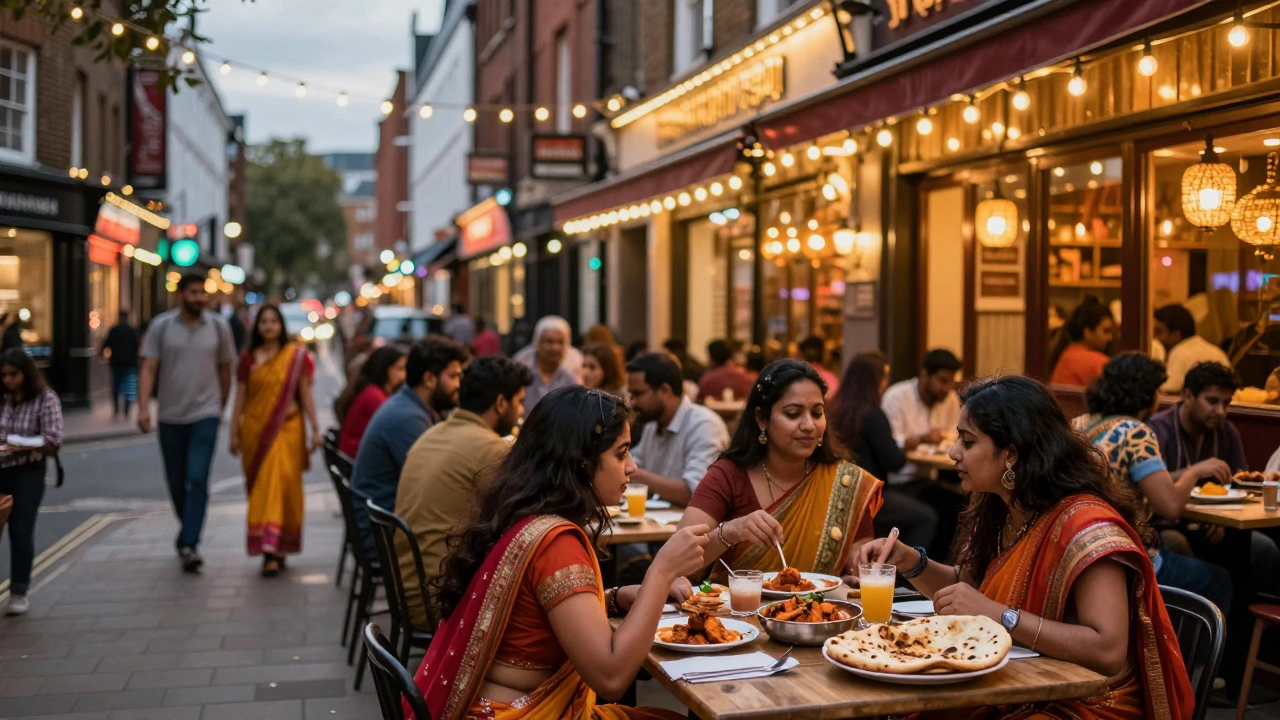
Walk into any city in the UK, the US, or even parts of Africa, and you’ll find more Indian restaurants than Chinese ones. Not just a few more-sometimes double the number. In London alone, there are over 12,000 Indian restaurants. Chinese takeaways? Around 8,000. That’s not a fluke. It’s not nostalgia. It’s real, measurable, and growing.
Why Indian Food Wins in Numbers
Indian food isn’t just popular-it’s embedded. In the UK, chicken tikka masala is officially listed as the nation’s favorite dish. It’s served in pubs, schools, and hospitals. The British didn’t just adopt it; they remade it. And that’s the pattern across the world. Indian restaurants opened early, stayed open, and kept expanding. Many started as small family shops in the 1960s and 70s, run by immigrants from Punjab and Bangladesh. They didn’t just serve food-they built communities. Over time, they became landmarks.
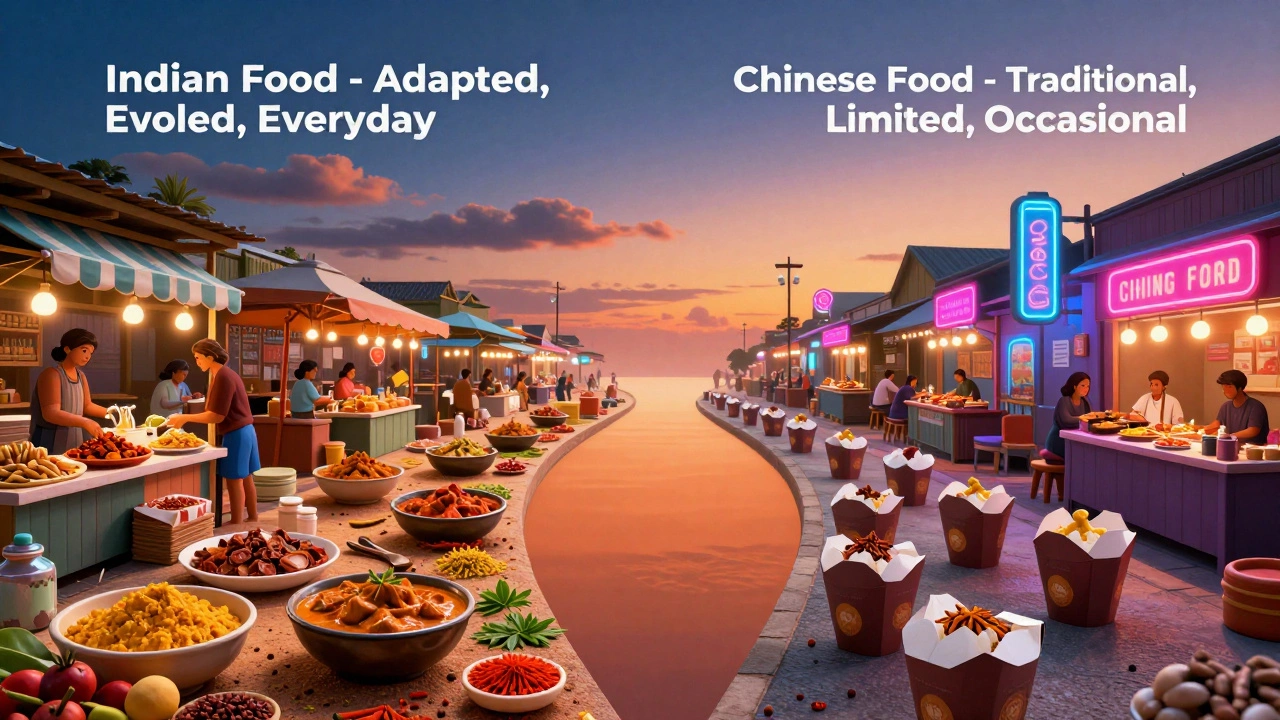
Chinese restaurants, by contrast, often stuck to a narrower menu. Fried rice, sweet and sour chicken, egg rolls. They didn’t evolve as fast. In many places, Chinese food became synonymous with takeaway boxes and low prices-not with depth or variety. Indian food, on the other hand, offered spice, texture, and complexity. It had vegetarian options that appealed to Western diets. It had curries that could be mild or fiery. It had breads, dals, chutneys-layers of flavor that kept people coming back.
It’s Not Just About Quantity
Popularity isn’t just about how many restaurants exist. It’s about how often people eat it. In the US, a 2024 survey by the National Restaurant Association found that 68% of Americans ate Indian food at least once a month. For Chinese food, the number was 62%. That gap might seem small, but it’s consistent. In Australia, India’s food exports doubled between 2020 and 2024. China’s? Rose by 18%. Why? Because Indian spices are now standard in supermarkets. Garam masala sits next to paprika. Tikka paste is in the ready-meal aisle. You can buy it without stepping into a restaurant.
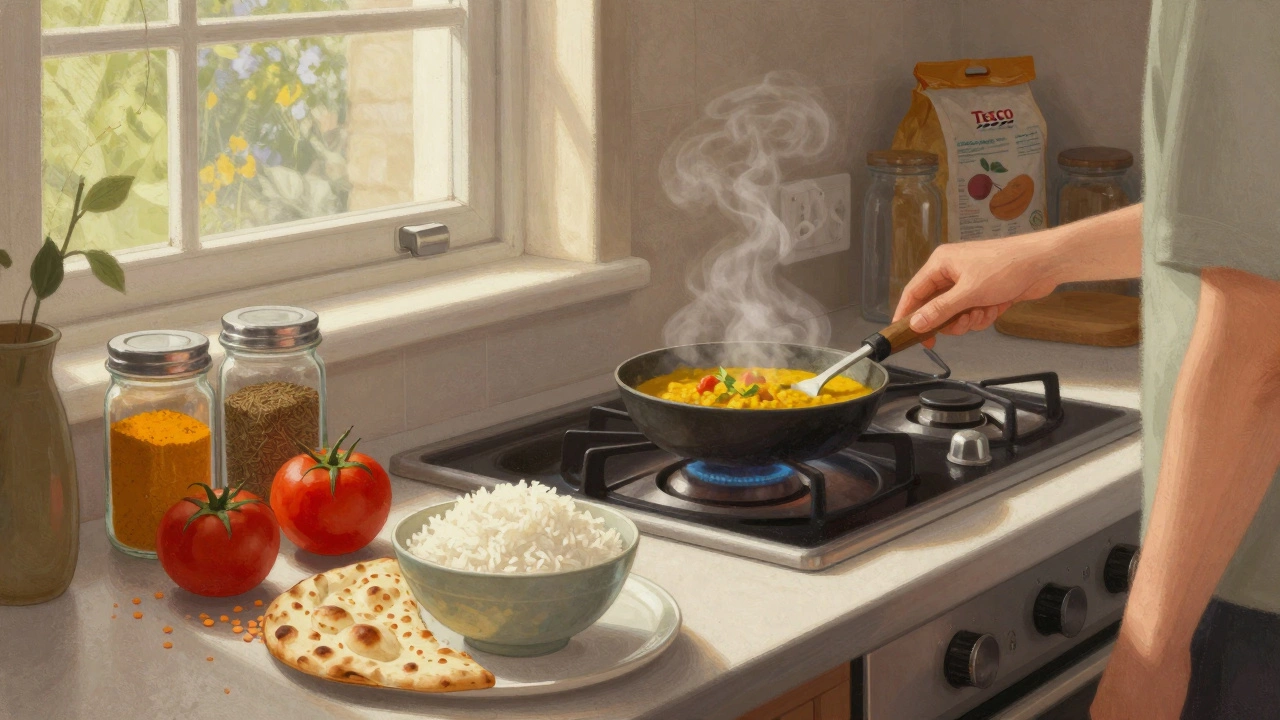
Chinese food hasn’t made that leap. Soy sauce? Yes. Hoisin? Rare. Most Western kitchens don’t keep oyster sauce or five-spice powder. Indian ingredients, however, are now part of everyday cooking. That’s because Indian cuisine doesn’t demand special equipment or exotic skills. You can make a simple dal on a stove. You don’t need a wok.
Cultural Adaptation Made the Difference
Indian food didn’t just travel-it transformed. It absorbed local tastes without losing its soul. In the UK, butter chicken was invented in London. In Canada, paneer tikka became a pizza topping. In Germany, samosas are sold in bakeries. Indian chefs didn’t just translate their food-they reinvented it for new audiences. They made it familiar without making it bland.
Chinese cuisine, while rich and ancient, often stayed closer to tradition. In many Western countries, Chinese restaurants still serve the same dishes they did 40 years ago. The menus rarely change. The sauces stay the same. There’s less experimentation. That’s not because the food is inferior-it’s because the market didn’t push for change. Indian food, by contrast, had a more flexible identity. It could be street food or fine dining. It could be vegan or meat-heavy. It could be spicy or creamy. That adaptability gave it staying power.
Vegetarianism and Health Trends Helped Indian Food Rise
Western diets shifted. More people cut meat. More people looked for plant-based protein. Indian food was already there. Lentils, chickpeas, tofu, paneer, vegetables cooked in spices-these weren’t trends. They were staples. A bowl of chana masala has more protein than a burger. A plate of dal tadka is naturally gluten-free. Indian restaurants didn’t need to rebrand for health trends-they were already aligned with them.
Chinese food has vegetarian options, sure. But many rely on meat-based broths or hidden animal products. Tofu stir-fry might sound healthy, but it’s often drowned in soy sauce and oil. Indian food, by contrast, uses spices like turmeric, cumin, and coriander-ingredients now backed by science for anti-inflammatory benefits. That’s not marketing. That’s reality.
The Restaurant Experience
Indian restaurants tend to be more inviting. They often have colorful decor, soft lighting, and music playing in the background. They encourage you to linger. Many offer free chutneys, papadums, and tea. The service feels personal. You’re not just ordering food-you’re being welcomed.
Chinese takeaways, especially in smaller towns, often feel transactional. You walk in, order, pay, and leave. There’s rarely a sense of place. Even when Chinese restaurants try to upscale, they often copy Western fine-dining models instead of leaning into their own traditions. Indian restaurants, even modest ones, rarely lose their cultural heartbeat.
What About China’s Global Reach?
China has more people. More cities. More economic power. So why doesn’t its food dominate? Because food doesn’t spread the same way as technology or manufacturing. It needs people to carry it. Indian immigrants settled in the UK, Canada, and the US in large numbers starting in the 1950s. They opened restaurants not just for profit-but to feel at home. They taught their neighbors how to eat it. They made it part of daily life.
Chinese immigrants, especially in the West, often worked in laundries or factories. Many didn’t open restaurants until later. And when they did, they focused on survival, not cultural influence. By the time Chinese food started gaining attention, Indian food had already taken root.
It’s Not About Taste Alone
Some say Chinese food is more refined. Others argue Indian food is too heavy. Those opinions don’t matter in the real world. Popularity isn’t decided by food critics. It’s decided by what people eat on a Tuesday night after work. What they order for a birthday. What they cook on a rainy Sunday. What their kids ask for.
Indian food wins because it’s accessible, adaptable, and alive. It changes with the times. It speaks to health trends, vegetarianism, and multiculturalism. It doesn’t need a special occasion to shine. You can eat it every day and never get bored.
Chinese food is incredible. It’s ancient, diverse, and deeply skilled. But it hasn’t moved with the same rhythm as Indian food. And right now, that rhythm is what matters.
So, Which Is More Popular?
Indian food is more popular-by numbers, by presence, by daily use. It’s in more homes, more supermarkets, more menus. It’s the food people cook when they want something comforting, flavorful, and easy. Chinese food is still loved. But it’s often seen as a treat, not a routine.
The difference isn’t in the recipes. It’s in the people who carried them-and how they let them grow.
Why is chicken tikka masala so popular in the UK?
Chicken tikka masala became popular because it was created in Britain-likely by a Bangladeshi chef in Glasgow or London-who adapted tandoori chicken with a creamy tomato sauce to suit British tastes. It’s mild, rich, and pairs well with rice and naan. It’s now so common that the UK government once jokingly called it a "national dish." It’s served in schools, pubs, and even Parliament.
Is Chinese food healthier than Indian food?
It depends on how it’s made. Many Chinese dishes are fried or loaded with soy sauce and sugar. Indian food often uses lentils, vegetables, and spices like turmeric and cumin, which have proven health benefits. But both cuisines can be healthy if cooked with fresh ingredients and less oil. A stir-fry with tofu and broccoli is healthier than a butter chicken with white rice, and vice versa.
Why don’t more Chinese restaurants offer vegetarian options?
Many traditional Chinese restaurants focus on meat-based dishes like pork, duck, or seafood, and use animal broths in soups and sauces. While vegetarian Chinese food exists-especially in Buddhist communities-it’s rarely highlighted on Western menus. Indian restaurants, by contrast, have always had a strong vegetarian tradition, so they naturally cater to that demand.
Can you cook Indian food at home without special ingredients?
Yes. You can make a simple dal or vegetable curry with just onions, garlic, tomatoes, turmeric, cumin, and coriander-all available in most supermarkets. Garam masala is the only spice that might need a trip to an Indian store, but even that’s now sold in major chains like Tesco or Walmart. Start with one spice blend, and you can build meals without a pantry full of exotic items.
Do Indian and Chinese food compete in the same markets?
They do, but not equally. In cities like London, Toronto, or Sydney, Indian restaurants outnumber Chinese ones by nearly 2-to-1. Indian food also dominates the takeaway delivery apps, with higher order volumes. Chinese food still has a strong presence, but it’s often seen as a quick bite, while Indian food is chosen for dinners, gatherings, and even date nights.