Shiva Blue: The Sacred Color of Hinduism and Tamil Devotion
When you see Shiva blue, the deep indigo hue associated with the Hindu god Shiva, representing his infinite, all-encompassing nature and his role as the destroyer of ignorance. Also known as neelakantha, this color isn’t just artistic—it’s theological, tied to the myth where Shiva drank the poison of the universe to save creation, turning his throat blue. In Tamil Nadu, this shade appears on temple murals, ritual masks, and even in the tilak worn by devotees during Maha Shivaratri, making it one of the most visible spiritual symbols in South Indian worship.
Shiva blue connects directly to Tamil deities, the gods and goddesses worshipped by Tamils, including Shiva in his local forms like Nataraja and Ardhanarishvara. Unlike abstract symbols in other traditions, Tamil devotion makes the divine tangible—through bronze statues painted in deep blue, through the chants of the Thevaram hymns, and through the annual processions where Shiva’s image is draped in blue silk. This isn’t just decoration; it’s a visual language. The color tells you who Shiva is: not a distant god, but one who absorbed suffering to protect the world. It’s also why you’ll see blue in Maha Shivaratri, the most sacred night in Hinduism, when millions offer bilva leaves and milk to Shiva idols painted in this same hue. In Tamil homes, the blue tilak isn’t just worn—it’s remembered as a reminder of sacrifice, calm, and inner strength.
Shiva blue doesn’t exist in isolation. It’s linked to the Shiva iconography found across India, from the caves of Ellora to the temples of Chidambaram. But in Tamil culture, the color carries extra weight—because here, Shiva isn’t just a god among many; he’s the center of daily life, music, dance, and ethics. The same blue you see on a temple wall is echoed in the drape of a dancer’s costume during Bharatanatyam, in the ink of ancient palm-leaf manuscripts, and in the blue flowers offered at dawn. This isn’t coincidence. It’s continuity. What you’ll find in the posts below are deep dives into how this color ties into rituals, myths, and living traditions—from the stories behind Shiva’s blue throat to how Tamil families honor him every day. Whether you’re exploring Hindu deities, Tamil spirituality, or the meaning behind sacred colors, this collection shows you how one shade holds centuries of meaning.
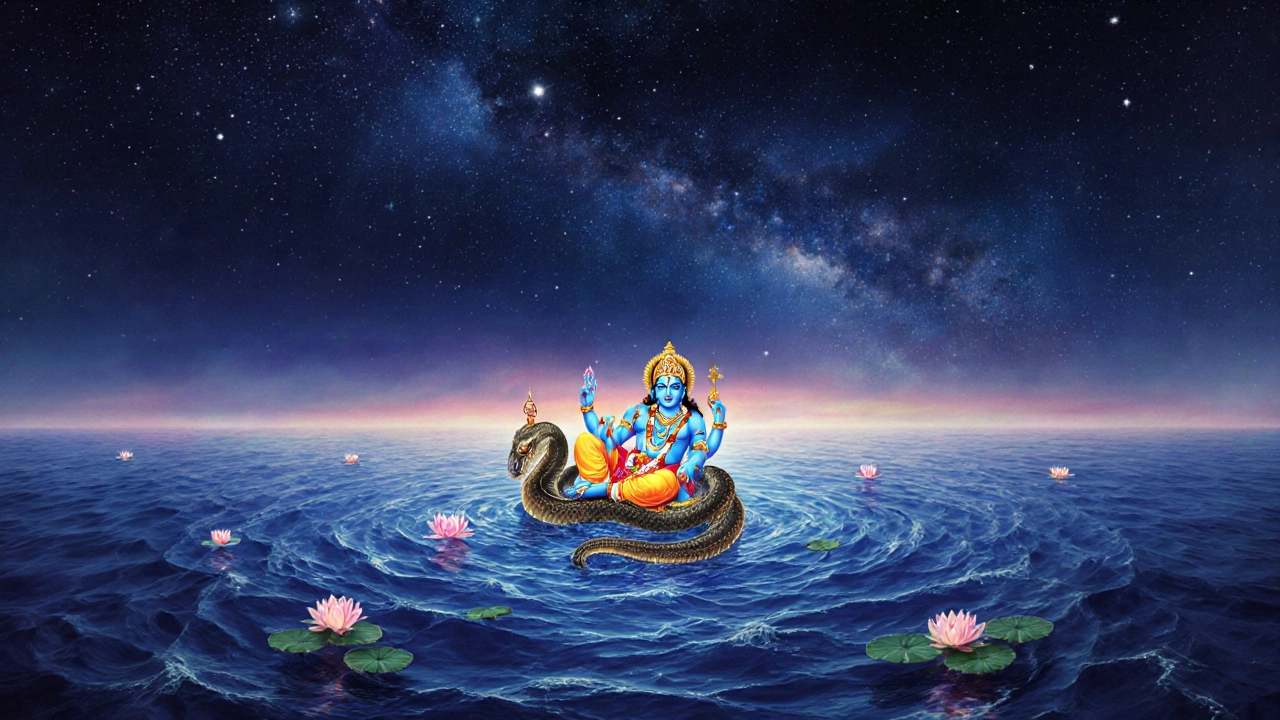
Why Are Hindu Gods Depicted in Blue? The Symbolism Behind the Color in Indian Mythology
Discover why Hindu gods like Krishna, Shiva, and Vishnu are depicted with blue skin - a powerful symbol of infinity, cosmic balance, and divine transcendence in Indian mythology.
Read more