Cultural Tourism Impact Calculator
Estimate the environmental and cultural strain of your visit to major Indian heritage sites based on duration and group size.
- Carbon Footprint: 0 kg CO2
- Water Usage: 0 Liters
- Crowd Density Risk: Low
Primary Risk Factor
Description of the specific risk associated with this site and visit type.
Responsible Travel Tip
Specific advice for minimizing negative impact at this location.
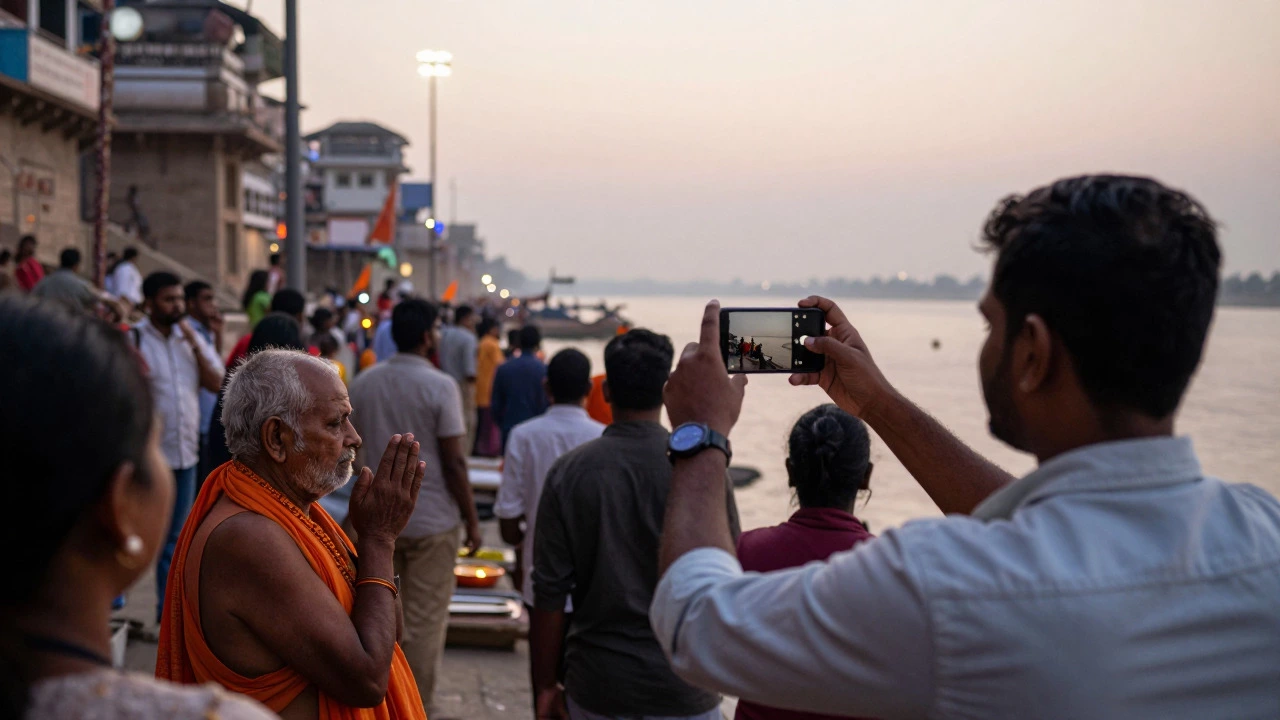
We all love the idea of wandering through the narrow lanes of Varanasi at dawn or watching a classical Kathak performance in Jaipur. It feels authentic, enriching, and deeply connected to history. But behind the vibrant colors and ancient stone walls, there is a growing tension. Cultural tourism brings money and global attention to India, but it also carries heavy costs that are often ignored in glossy travel brochures.
If you have ever visited a popular heritage site in India, you might have noticed something off. The temple bells ring not just for prayer, but for photo ops. The local artisan sells plastic souvenirs instead of hand-woven textiles because tourists want cheap trinkets. This isn't just bad luck; it's a systemic issue. When millions of visitors flood into culturally sensitive areas, the very essence of the culture can be diluted, damaged, or even destroyed.
The Erosion of Authenticity: Culture as a Product
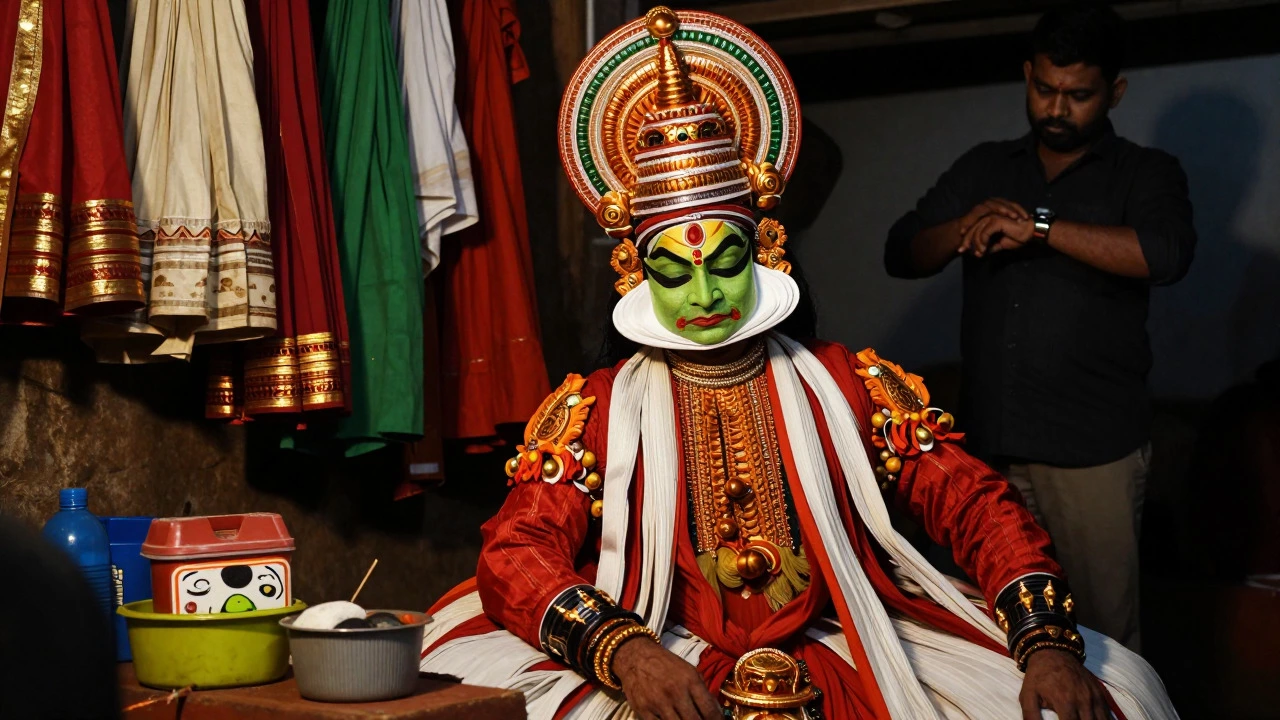
One of the biggest disadvantages of cultural tourism is what experts call "commodification." When a tradition becomes a product sold to outsiders, it changes. Think about the Kathakali dance in Kerala. Originally, this was a complex ritualistic art form with deep mythological roots, performed in specific temples during festivals. Today, you can catch a shortened version every night in tourist hubs like Fort Kochi.
Is this bad? Not necessarily. It keeps the art form alive financially. But the problem arises when the performance loses its soul to fit tourist schedules. Dancers skip hours of intricate makeup application. Stories are simplified for non-Hindi speakers. The sacred becomes a spectacle. Locals start performing their culture rather than living it. A festival that was once a community celebration becomes a show for cameras. This shift creates a "staged authenticity" where visitors think they are seeing real life, but they are actually watching a rehearsed version designed for consumption.
Overtourism and Environmental Strain
India’s heritage sites were never built to handle the footfall of the modern era. Take the Taj Mahal. It receives over six million visitors annually. The sheer volume of people causes physical wear and tear on the marble structure. More importantly, the carbon footprint of these visitors-flights, hotels, transport-contributes to air pollution that turns the white marble yellow.
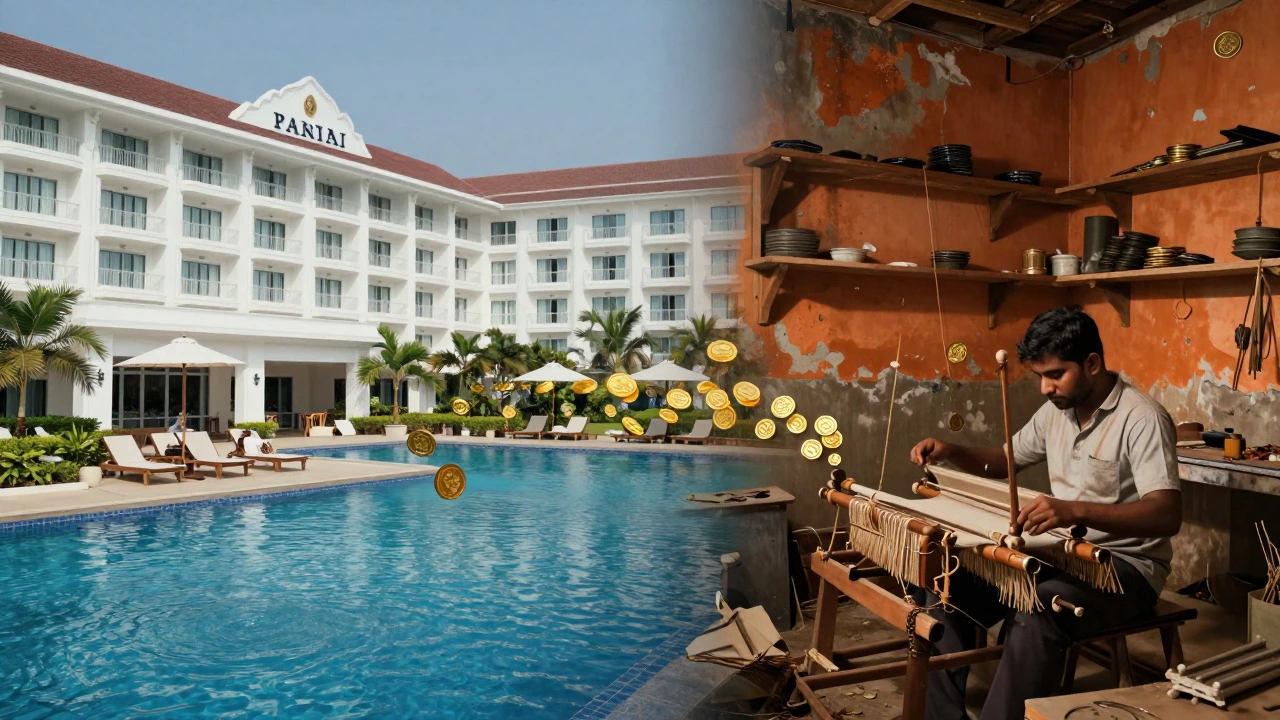
In places like the backwaters of Kerala or the hills of Himachal Pradesh, the infrastructure simply cannot cope. Waste management systems collapse under the pressure. Plastic waste ends up in rivers and lakes. Water resources, already scarce in many parts of India, are drained by luxury resorts catering to tourists while local villages struggle for clean drinking water. This environmental degradation directly impacts the quality of life for residents who live in these scenic areas.
| Heritage Site | Annual Visitors (Approx.) | Primary Environmental/Cultural Risk |
|---|---|---|
| Taj Mahal, Agra | 6-7 Million | Air pollution discoloration, structural stress from crowds |
| Varanasi Ghats | 10+ Million | Ganges river pollution, loss of spiritual sanctity |
| Jaipur City Palace | 3-4 Million | Crowd congestion, erosion of historic floors |
| Hampi Ruins | 2-3 Million | Vandalism, littering, strain on local water supply |
Social Displacement and Rising Living Costs
When an area becomes a tourist hotspot, property prices skyrocket. This is evident in cities like Goa and parts of Rajasthan. Local families are priced out of their own neighborhoods. Shops that sold daily necessities are replaced by cafes serving overpriced coffee and boutiques selling generic handicrafts imported from China.
This phenomenon, known as gentrification, forces long-term residents to move to the outskirts. The social fabric unravels. Neighbors who knew each other for generations are replaced by transient populations. In some cases, entire communities are displaced to make way for luxury hotels. For example, fishing communities in coastal areas often lose access to beaches due to private resort enclosures. They become employees in their own homeland, working low-wage jobs while paying high rents.
Cultural Friction and Stereotyping
Tourists often arrive with preconceived notions shaped by movies or outdated guidebooks. They expect Indians to be uniformly poor, spiritual, or exotic. When reality doesn’t match the fantasy, friction occurs. Locals may feel patronized or objectified. A simple act of photographing a street vendor without permission can feel like an invasion of privacy.
Moreover, cultural misunderstandings can lead to resentment. Dress codes, religious customs, and social norms vary widely across India. A tourist ignoring these nuances can cause offense. Over time, this constant scrutiny can make locals defensive. Instead of welcoming guests, they may view them as intruders disrupting their peace. This creates a barrier between hosts and guests, reducing the meaningful exchanges that cultural tourism promises.
Economic Leakage: Who Really Profits?
You might assume that spending money in India helps local artisans and guides. Unfortunately, a significant portion of tourism revenue leaks out of the country. Large international hotel chains, foreign tour operators, and online booking platforms take the lion's share. Money spent on imported goods in souvenir shops also leaves the local economy.
For instance, if you buy a silk sari in Delhi from a large chain store, much of that profit goes to corporate headquarters abroad or in major metros, not to the weaver in Kanchipuram or Banaras. True economic benefit requires direct engagement with local businesses. Without conscious effort, cultural tourism can exacerbate inequality, leaving small-scale entrepreneurs struggling while big corporations thrive.
How to Travel Responsibly in India
Awareness is the first step toward change. If you want to enjoy India’s rich culture without contributing to its degradation, consider these practical tips:
- Visit Off-Peak Seasons: Avoid peak holiday periods to reduce crowd pressure on fragile sites.
- Support Local Businesses: Eat at family-run restaurants, stay in locally owned homestays, and buy crafts directly from artisans.
- Respect Sacred Spaces: Follow dress codes, ask before taking photos, and observe silence in temples and mosques.
- Minimize Waste: Carry reusable water bottles and avoid single-use plastics, especially in ecologically sensitive areas.
- Engage Meaningfully: Learn basic phrases in the local language and try to understand the history behind the monuments you visit.
By making small adjustments, travelers can help preserve the authenticity and sustainability of India’s cultural heritage. It’s about shifting from being a consumer of culture to a respectful participant.
Conclusion: Balancing Preservation and Access
Cultural tourism is not inherently evil. It funds conservation efforts, creates jobs, and fosters cross-cultural understanding. However, without careful management, it risks turning living cultures into museum exhibits. The challenge for India-and indeed for any destination-is to find a balance. We need policies that limit visitor numbers, enforce environmental standards, and ensure that profits reach the communities who safeguard these traditions.
As travelers, we hold power in our wallets and our behavior. By choosing responsible tourism practices, we can help ensure that future generations can experience the true magic of India’s culture, not just a commercialized shadow of it.
What is the biggest disadvantage of cultural tourism in India?
The most significant disadvantage is the commodification of culture, where authentic traditions are altered or simplified to cater to tourist expectations, leading to a loss of genuine cultural meaning and heritage.
How does overtourism affect Indian heritage sites?
Overtourism causes physical damage to structures, increases pollution, strains local infrastructure like water and waste management, and diminishes the visitor experience due to overcrowding.
Does cultural tourism help local economies in India?
It can, but often suffers from economic leakage where profits go to international corporations rather than local communities. Supporting local businesses directly ensures more benefits remain within the region.
What is cultural commodification?
Cultural commodification is the process of turning cultural practices, artifacts, or traditions into products for sale. This often leads to the dilution of their original significance and context.
How can tourists minimize their negative impact on Indian culture?
Tourists can minimize impact by respecting local customs, avoiding peak seasons, supporting local enterprises, minimizing waste, and engaging respectfully with communities rather than treating them as attractions.