India's Top 5 Monuments Explorer
Click on a monument below to view detailed information, historical context, and travel tips.
Taj Mahal
Agra, Uttar Pradesh
Red Fort
Delhi
Qutub Minar
Delhi
Hawa Mahal
Jaipur, Rajasthan
Charminar
Hyderabad, Telangana
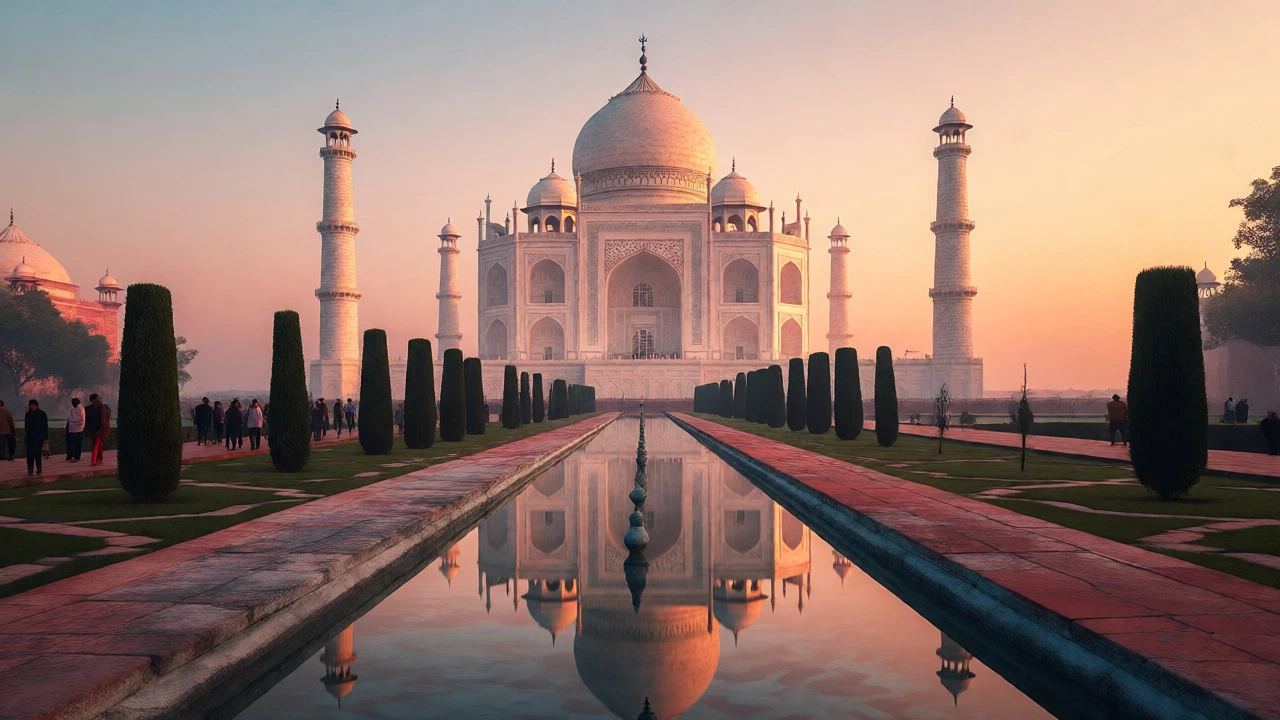
The Taj Mahal
A Symbol of Love in Agra
Commissioned in 1632 by Mughal Emperor Shah Jahan in memory of his wife Mumtaz Mahal, this white marble mausoleum is an engineering marvel known for its perfect symmetry.
- Built By: Shah Jahan
- Location: Agra, Uttar Pradesh
- Best Time to Visit: Sunrise/Sunset for soft light effects
Approx. Location:
Agra, UP
The Red Fort
Heart of Mughal Delhi
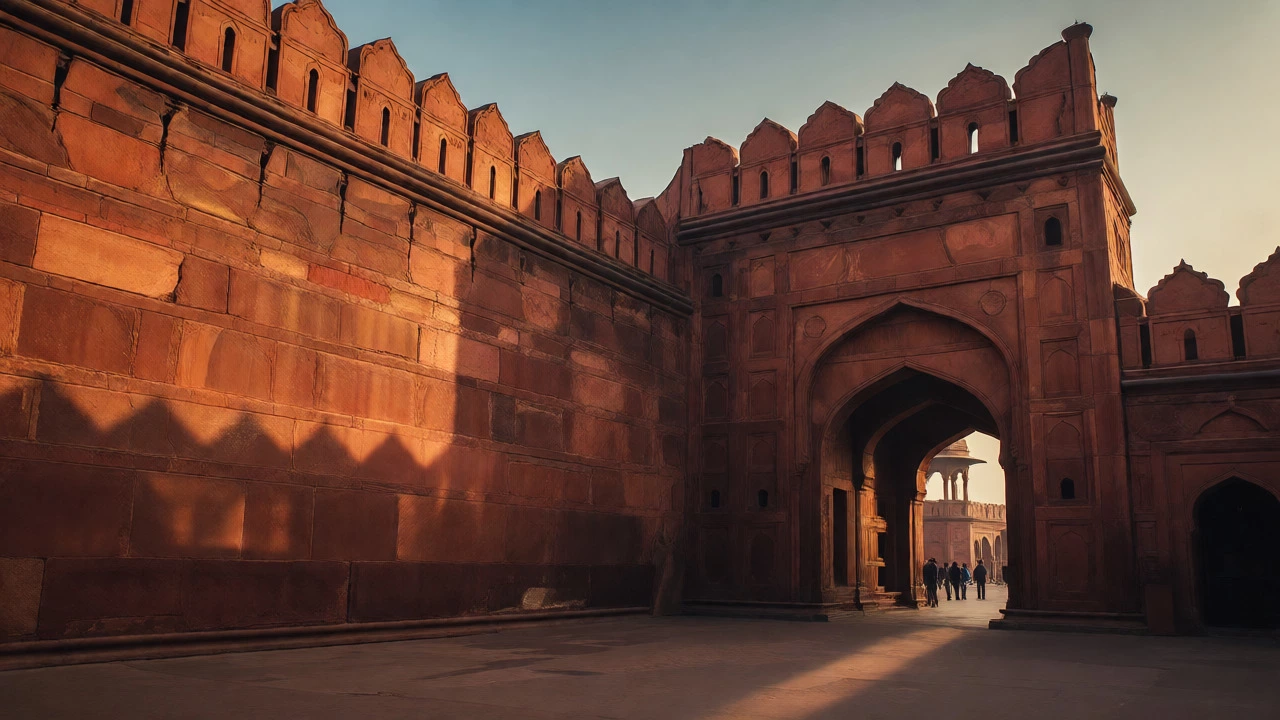
Built in the mid-17th century when Shah Jahan moved his capital to Delhi, these red sandstone walls stretch for 2.5 km. It served as the residence of Mughal emperors for nearly 200 years.
- Built By: Shah Jahan
- Location: Old Delhi
- Best Time to Visit: Evening for the Sound & Light Show
Approx. Location:
Old Delhi
Qutub Minar
The Tower of Victory
The tallest brick minaret in the world at 73 meters. Begun in 1192 by Qutb-ud-din Aibak, it features intricate carvings of Quranic verses and geometric patterns.
- Built By: Qutb-ud-din Aibak
- Location: South Delhi
- Best Time to Visit: Morning for better lighting
Approx. Location:
Mehrauli, Delhi
Hawa Mahal
The Palace of Winds
Built in 1799 by Maharaja Sawai Pratap Singh, this structure resembles the crown of Lord Krishna with 953 small windows (jharokhas). It allowed royal women to observe street life unseen.
- Built By: Sawai Pratap Singh
- Location: Jaipur, Rajasthan
- Best Time to Visit: Early Morning for glowing pink sandstone
Approx. Location:
Jaipur, RJ
Charminar
The Icon of Hyderabad
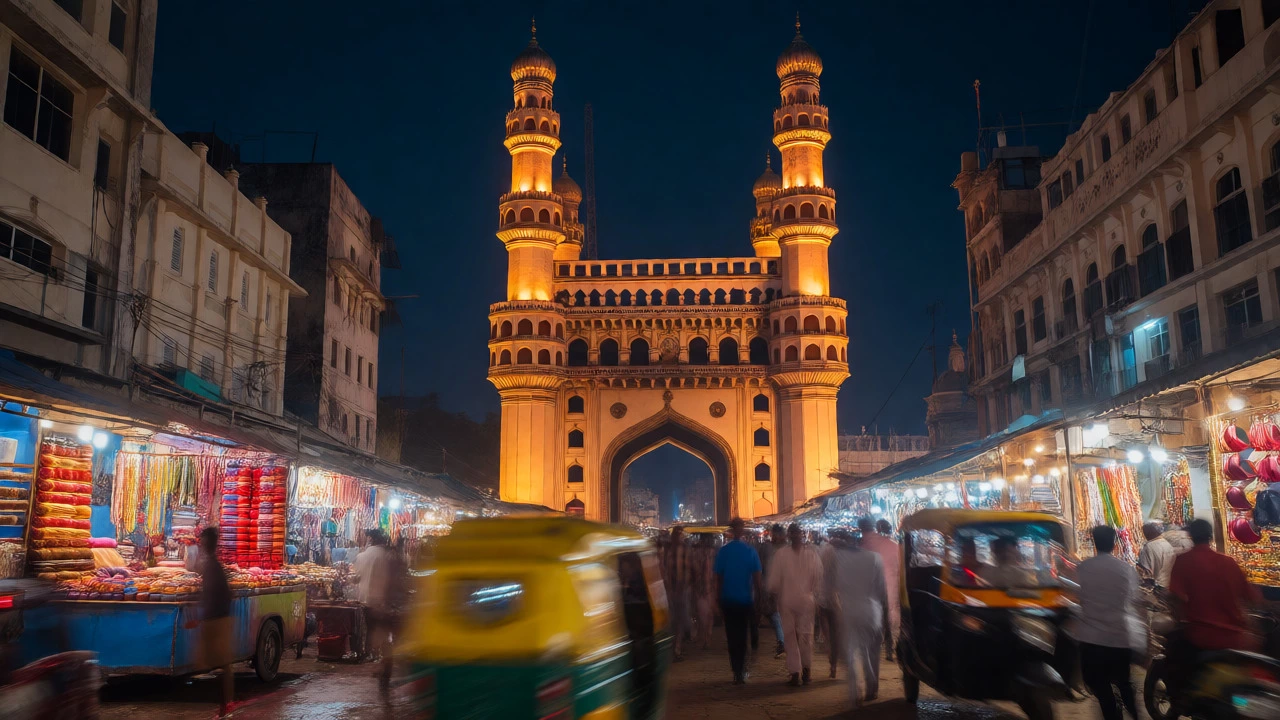
Constructed in 1591 by Muhammad Quli Qutb Shah to mark the founding of Hyderabad. Legend says he vowed to build it if God lifted a deadly plague. The four minarets represent the four caliphs.
- Built By: Muhammad Quli Qutb Shah
- Location: Hyderabad, Telangana
- Best Time to Visit: Night for illuminated views
Approx. Location:
Hyderabad, TS
Imagine standing in the shadow of a structure that has watched over centuries of history, empires rise and fall, and millions of lives unfold. That’s the power of India’s National Monuments. These aren’t just pretty buildings for Instagram photos; they are tangible links to our past, protected by law under the Ancient Monuments and Archaeological Sites and Remains Act. While India boasts hundreds of such protected sites, five stand out as iconic symbols of cultural pride and architectural brilliance.
You might be wondering, "Why only five?" Well, while there is no official government list titled "The Top Five," certain monuments consistently rank highest in visitor numbers, historical significance, and global recognition. Whether you’re planning your first trip to Delhi or Agra, or you’re a history buff looking to deepen your understanding, this guide breaks down the five most celebrated national monuments of India. We’ll look at what makes them special, what you can actually expect when you visit, and how to make the most of your time there.
The Taj Mahal: A Symbol of Love in Agra
If you ask anyone outside India to name one monument from here, nine times out of ten, they’ll say the Taj Mahal. Located in Agra, Uttar Pradesh, this white marble mausoleum was commissioned in 1632 by Mughal Emperor Shah Jahan in memory of his favorite wife, Mumtaz Mahal. It’s not just beautiful; it’s an engineering marvel. The symmetry is so precise that if you fold the image in half, both sides match perfectly.
Visiting the Taj Mahal is an experience that shifts with the light. Early morning visits offer a soft, pinkish glow, while sunset turns the marble into gold. But here’s a tip most tourists miss: the view from across the Yamuna River, particularly from Mehtab Bagh, offers a serene perspective without the crowds. Remember, the main mausoleum is closed on Fridays, so plan your itinerary accordingly. Also, note that photography inside the main chamber is prohibited, preserving the sanctity of the space.
The Red Fort: Heart of Mughal Delhi
In the heart of Old Delhi stands the Red Fort, or Lal Qila. Built by Shah Jahan in the mid-17th century when he moved his capital from Agra to Delhi, this massive fortification served as the residence of the Mughal emperors for nearly 200 years. Its red sandstone walls stretch for about 2.5 kilometers, enclosing gardens, palaces, and audience halls.
Today, the Red Fort is more than just ruins; it’s a living piece of history. Every year on Independence Day, the Prime Minister hoists the national flag here, broadcasting to the nation. When you walk through the Lahori Gate, you’re stepping into a complex that blends Persian, Timurid, and Hindu architectural styles. Don’t skip the Diwan-i-Aam (Hall of Public Audience) where emperors addressed common people, or the Rang Mahal, which once housed the royal women. The sound and light show in the evening adds a dramatic flair, narrating the fort’s turbulent history.
Qutub Minar: The Tower of Victory
Just south of Delhi lies the Qutub Minar, the tallest brick minaret in the world. Standing at 73 meters tall, this UNESCO World Heritage Site was begun in 1192 by Qutb-ud-din Aibak, the founder of the Delhi Sultanate. Unlike the smooth marble of the Taj, the Qutub Minar is rugged, intricate, and covered in detailed carvings of Quranic verses and geometric patterns.
The complex around the minaret is equally fascinating. You’ll find the Iron Pillar, which has resisted rusting for over 1,600 years despite being exposed to the elements-a metallurgical mystery that still puzzles scientists. While you cannot climb the minaret anymore due to safety concerns after a stampede in 1981, the surrounding area offers plenty to explore. The Quwwat-ul-Islam Mosque, the earliest surviving mosque in India, sits at its base, showcasing how Hindu temple materials were repurposed into Islamic architecture.
Hawa Mahal: The Palace of Winds
Moving west to Jaipur, Rajasthan, we encounter the Hawa Mahal, built in 1799 by Maharaja Sawai Pratap Singh. This unique structure is designed like the crown of Lord Krishna and features 953 small windows called jharokhas. The primary purpose wasn’t just aesthetic; it allowed royal women to observe street festivals and daily life without being seen from the outside, adhering to the strict purdah system.
From the front, it looks like a honeycomb, but from the back, it’s a simple palace facade. This contrast is part of its charm. The best time to visit is early morning when the sunlight hits the pink and red sandstone, making it glow. Since the interior is narrow and steep, many visitors prefer viewing it from the cafes across the street, which offer perfect photo ops and a cooler breeze. It’s a testament to Rajput ingenuity in blending functionality with art.
Charminar: The Icon of Hyderabad
No list of Indian icons is complete without the Charminar in Hyderabad. Constructed in 1591 by Muhammad Quli Qutb Shah, this monument marks the founding of the city itself. Legend has it that he vowed to build a mosque here if God lifted a deadly plague, and the four minarets represent the four caliphs of Islam.
Unlike the isolated grandeur of the Taj Mahal, Charminar is smack in the middle of a bustling market. The Laad Bazaar nearby is famous for bangles and pearls, creating a chaotic, vibrant atmosphere that defines old Hyderabad. Climbing the stairs to the top gives you a panoramic view of the city, including the Chowmahalla Palace. At night, the monument is illuminated, reflecting beautifully in the surrounding streets. It’s less about quiet contemplation and more about immersing yourself in the pulse of a historic trade hub.
| Monument | Location | Built By | Primary Material | Best Time to Visit |
|---|---|---|---|---|
| Taj Mahal | Agra, UP | Shah Jahan | White Marble | Sunrise/Sunset |
| Red Fort | Delhi | Shah Jahan | Red Sandstone | Evening (Sound & Light) |
| Qutub Minar | Delhi | Qutb-ud-din Aibak | Brick & Stone | Morning |
| Hawa Mahal | Jaipur, RJ | Sawai Pratap Singh | Pink Sandstone | Early Morning |
| Charminar | Hyderabad, TS | Muhammad Quli Qutb Shah | Lime Mortar & Granite | Night |
Planning Your Monument Tour
Seeing these five monuments requires some logistical planning. They are spread across different states, so trying to do them all in one week is ambitious but possible if you fly between cities. For example, a route could start in Delhi (Red Fort, Qutub Minar), take a train or car to Agra (Taj Mahal), then fly to Jaipur (Hawa Mahal), and finally head to Hyderabad (Charminar).
Keep in mind that entry fees vary for Indian citizens and foreign nationals. Always carry ID proof. Also, check for closures; while most are open daily, some have specific weekly off-days or close during extreme weather conditions. Hiring a local guide at each site can significantly enhance your experience, turning stones into stories. Without context, a wall is just a wall; with a guide, it becomes a narrative of power, love, and survival.
Frequently Asked Questions
Are these five monuments officially designated as the 'National Monuments'?
Not exactly. The term "National Monument" in India refers to any ancient monument declared to be of national importance under the Ancient Monuments and Archaeological Sites and Remains Act, 1958. There are over 3,600 such sites. However, the five listed above are widely considered the most iconic and frequently visited examples.
Can I enter the Taj Mahal on any day of the week?
No, the main mausoleum of the Taj Mahal is closed to visitors on Fridays. The outer gardens remain open, but you cannot enter the central tomb area. Plan your visit for other days to see the full experience.
Is photography allowed inside the Red Fort?
Yes, general photography is allowed throughout the Red Fort complex. However, tripods may require permission, and flash photography is often restricted in certain museum sections within the fort to preserve artifacts.
Why is the Qutub Minar closed for climbing?
Climbing the Qutub Minar was stopped in 1981 after a tragic stampede occurred inside the tower, resulting in multiple deaths. Since then, it has been deemed unsafe for public access to the upper levels due to the narrowness of the staircase and high footfall.
What is the best way to reach Charminar from the airport?
The easiest way is to take a prepaid taxi or app-based cab (like Ola or Uber) from Rajiv Gandhi International Airport. It takes about 45 minutes to an hour depending on traffic. Alternatively, you can use the Hyderabad Metro, connecting via the MGBS station, though last-mile connectivity might require an auto-rickshaw.