Gujarati Meal Planner & Flavor Balancer
Build an authentic Gujarati plate by selecting dishes. See how each addition contributes to the mandatory four-taste balance (Sweet, Sour, Spicy, Salty).
Your Meal Analysis
Select dishes to see your flavor profile.
Imagine a meal where every single dish is sweet, salty, sour, and spicy all at once. It sounds like a culinary contradiction, but for people from Gujarat, a state in western India known for its vibrant culture and business acumen,, this balance is not just preferred-it is mandatory. If you have ever wondered what food Gujarati people eat, the answer lies in their unique approach to vegetarian cooking that turns simple vegetables into complex, layered experiences.
Gujarati cuisine is distinct because it is almost entirely vegetarian. While other parts of India might rely on meat or heavy gravies, Gujaratis master the art of extracting maximum flavor from lentils, grains, and seasonal produce. The result is a diet that is surprisingly light yet deeply satisfying, driven by the principle that no meal is complete without the four tastes: *madhur* (sweet), *aamla* (sour), *katush* (spicy), and *lavan* (salty).
The Non-Negotiable Staple: Rotlo and Kadhi
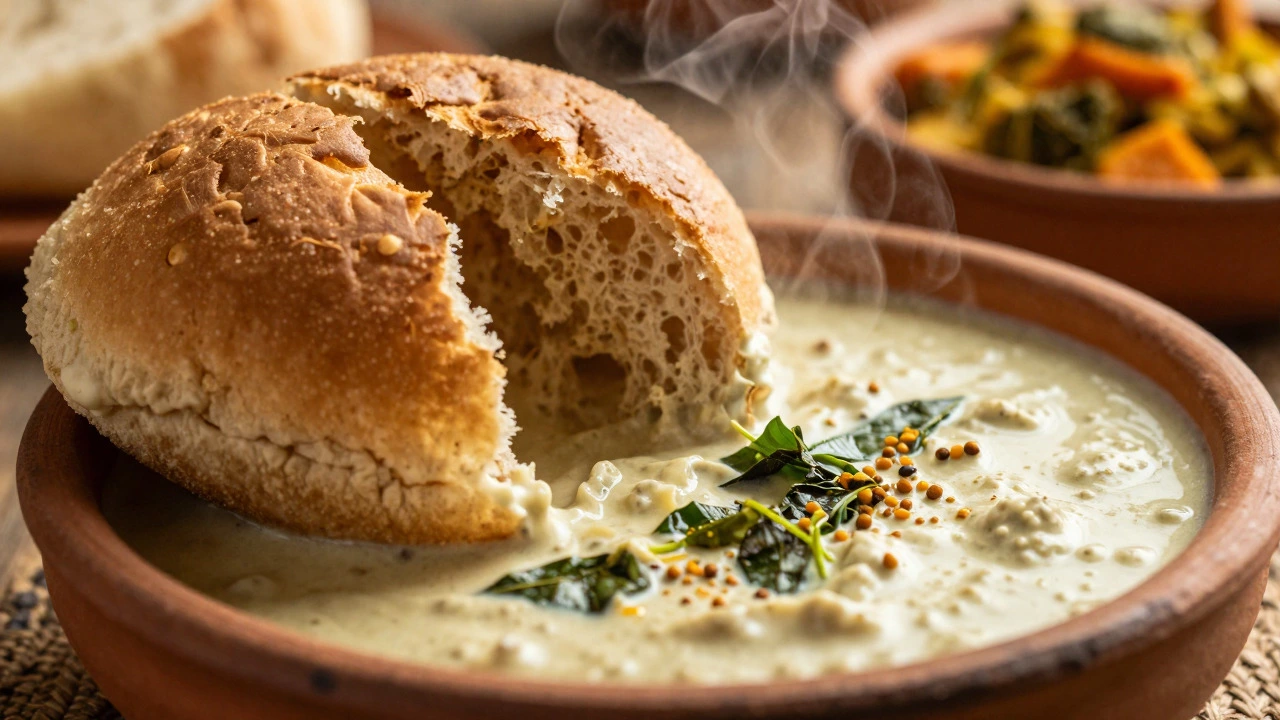
If there is one combination that defines a Gujarati home, it is Rotlo paired with Kadhi. You will find this duo on tables across the state, from rural villages in Saurashtra to urban apartments in Ahmedabad. It is the heartbeat of daily life.
Rotlo is a thick, whole-wheat flatbread. Unlike the thin chapatis you might know, rotlo is dense and hearty. It is made from coarse wheat flour (*bhakri*), which gives it a rustic texture and a nutty flavor. This bread is designed to soak up liquids, making it the perfect companion for the next component of the meal.
Kadhi is a yogurt-based curry cooked with gram flour batter and seasoned with mustard seeds, fenugreek leaves, and green chilies. The magic happens when you dip the warm, sturdy rotlo into the tangy, creamy kadhi. The sourness of the yogurt cuts through the heaviness of the wheat, creating a balanced bite. Most households also add a pinch of sugar to the kadhi, reinforcing the core Gujarati belief that even savory dishes need a touch of sweetness to harmonize the palate.
Dal Dhokli: The Comfort Food Champion
When the weather turns cold or someone needs comfort, Gujarati families reach for Dal Dhokli. This dish is essentially a hearty stew that combines two elements: a spiced lentil soup and hand-pulled dough pieces.
The "dal" part is usually made from tur dal (split pigeon peas) or masoor dal (red lentils), cooked until soft and flavored with cumin, garlic, and dried mango powder (*amchur*). The "dhokli" are small, irregular chunks of wheat dough that are dropped directly into the boiling lentils. As they cook, they absorb the flavors of the dal, becoming tender and flavorful. It is a humble dish, often associated with rural traditions, but it has become a favorite across the diaspora for its warmth and simplicity. It proves that Gujarati food does not need exotic ingredients to be delicious; it relies on technique and balance.
The Art of Snacking: Fafda, Jalebi, and More
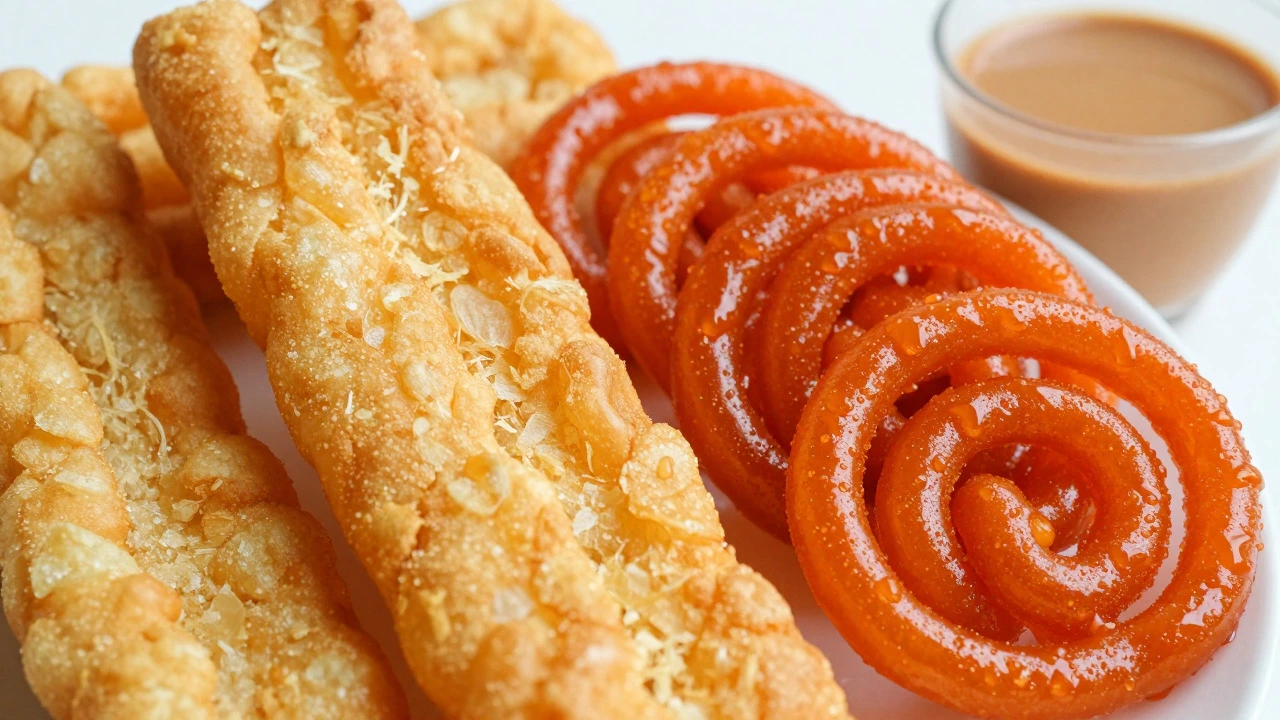
You cannot talk about what Gujarati people eat without mentioning their snack culture. In Gujarat, snacking is an event, especially during festivals like Navratri. The most iconic pair is Fafda and Jalebi.
Fafda consists of long, crispy strips made from besan (gram flour) batter that are deep-fried until golden. They are crunchy, savory, and lightly spiced with red chili and carom seeds. Jalebi, on the other hand, is a spiral-shaped sweet soaked in sugar syrup. Eating them together creates a textural and flavor contrast that is addictive: the hot, sticky sweetness of the jalebi against the cool, crisp saltiness of the fafda. This combination is so popular that it is often served with a cup of strong tea, forming a breakfast or evening treat that brings communities together.
Other notable snacks include Thepla, a thin, spiced flatbread made with fenugreek leaves (*methi*) that can be stored for days and eaten on the go, and Dhandhyo, a spicy snack made from rice flour and chickpea flour that is fried and then tossed with spices. These snacks highlight the resourcefulness of Gujarati cooking, using shelf-stable ingredients to create foods that are both convenient and deeply flavorful.
Sweets That Define a Region
Gujarat is famous for its sweets, which are often richer and more intricate than those found elsewhere in India. Two names stand out: Mohanthal and Shrikhand.
Mohanthal is a fudge-like sweet made from gram flour, ghee, and sugar. It has a crumbly texture and a rich, buttery taste. It is traditionally prepared during weddings and festivals, symbolizing prosperity and joy. The preparation requires skill, as the mixture must be stirred continuously to achieve the right consistency. Too much stirring makes it hard; too little makes it runny. When done correctly, it melts in your mouth, offering a dense, sweet experience.
Shrikhand is a dessert made from strained yogurt, sugar, and cardamom. It is smooth, creamy, and slightly tangy, often garnished with saffron strands and nuts. Shrikhand is typically served with puris (fried bread) or wadas (savory fritters). Its popularity stems from its refreshing quality, especially in the hot climate of western India. The use of yogurt as a base reflects the region's dairy-rich agriculture, where milk products are abundant and central to the diet.
Regional Variations Within Gujarat
While the core principles of Gujarati food remain consistent, there are regional variations that reflect local ingredients and traditions. For example, coastal areas like Porbandar and Diu incorporate seafood into their cuisine, although many households still adhere to vegetarianism. In these regions, you might find fish curries made with kokum (a souring agent) instead of tamarind, giving the dish a distinct flavor profile.
In the Kutch region, the food is influenced by the arid climate. Dishes here often use millet and sorghum instead of wheat, reflecting the crops that thrive in dry conditions. Bajra Rotlo (pearl millet bread) is a staple here, offering a denser, earthier taste compared to wheat rotlo. Additionally, Kutchi cuisine features unique pickles and chutneys made from desert plants, adding a sharp, pungent kick to meals.
These variations show that Gujarati food is not monolithic. It adapts to geography and availability while maintaining its core identity of balance and vegetarianism. Understanding these differences adds depth to your appreciation of the cuisine, revealing how environment shapes eating habits.
| Component | Description | Flavor Profile |
|---|---|---|
| Rotlo | Thick whole-wheat flatbread | Neutral, nutty, hearty |
| Kadhi | Yogurt-based curry with gram flour | Tangy, creamy, slightly sweet |
| Dal Dhokli | Lentil stew with wheat dumplings | Spicy, comforting, savory |
| Fafda-Jalebi | Crispy gram flour strips with sweet spirals | Crunchy/salty vs. Soft/sweet |
| Mohanthal | Gram flour fudge | Rich, buttery, very sweet |
Why Balance Matters in Gujarati Cooking
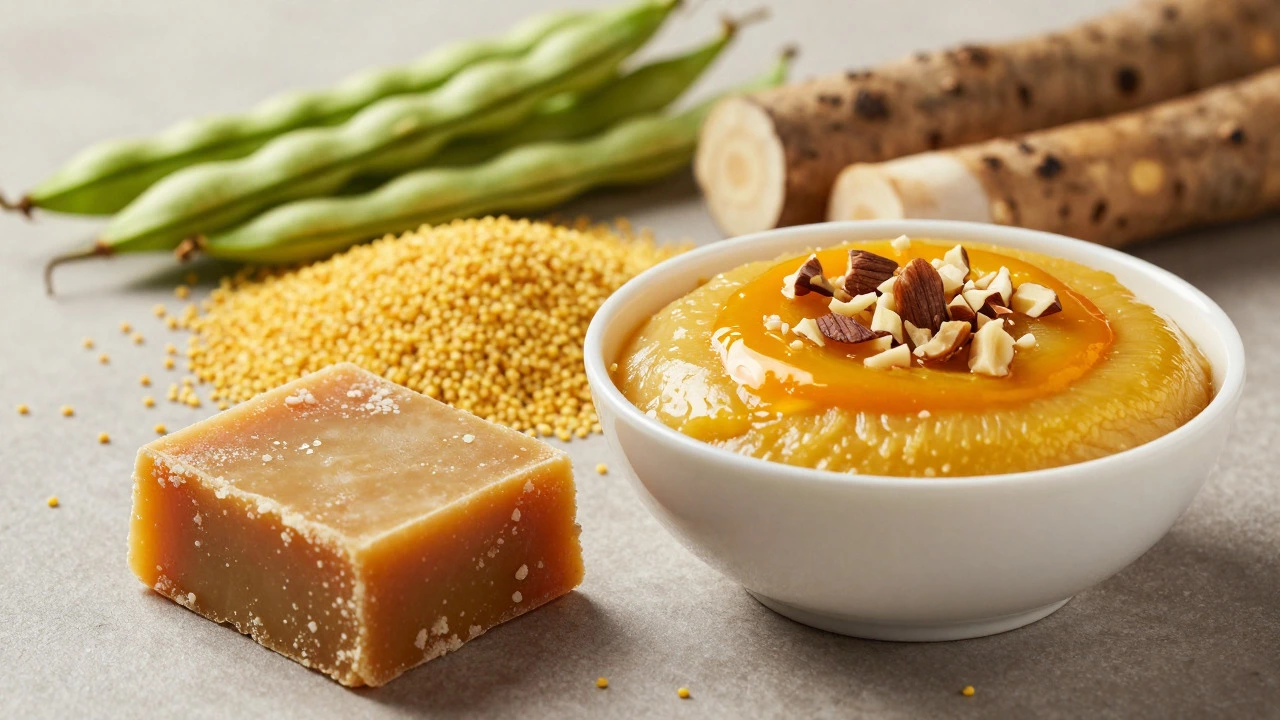
The reason Gujarati food stands out is its strict adherence to balancing flavors. In many Western cuisines, dishes are categorized as either sweet or savory. In Gujarat, this line is blurred. A vegetable stir-fry (*undhiyu*) might contain potatoes, carrots, and beans, but it will also include a hint of jaggery (unrefined cane sugar) and lemon juice. This ensures that every bite engages multiple taste receptors.
This philosophy extends to health. The inclusion of yogurt (probiotics), lentils (protein), and fresh vegetables (vitamins) makes the diet nutritionally robust. The use of spices like turmeric, cumin, and coriander aids digestion and provides anti-inflammatory benefits. It is a cuisine that evolved not just for pleasure, but for sustenance and well-being in a tropical climate.
How to Experience Authentic Gujarati Food
If you want to try authentic Gujarati food, look beyond generic Indian restaurants. Seek out places that specialize in regional North Indian or specifically Gujarati cuisine. Ask for items like Undhiyu (a mixed vegetable casserole) or Handvo (a savory cake made with lentils and rice). These dishes are less common outside Gujarat but offer a true taste of the region's culinary heritage.
At home, start simple. Try making Thepla, as it requires few ingredients and freezes well. Or prepare a basic Kadhi to understand the importance of yogurt in the cuisine. Experiment with adding a pinch of sugar to your savory dishes; it may seem strange at first, but it can elevate the overall flavor profile, just as it does in Gujarat.
Is Gujarati food completely vegetarian?
Most Gujarati households follow a strict vegetarian diet due to cultural and religious beliefs. However, some communities, particularly in coastal areas, do consume fish and seafood. Meat is rarely eaten in traditional Gujarati cuisine.
Why is sugar added to savory dishes in Gujarati food?
Sugar is added to balance the sour and spicy flavors, creating a harmonious taste profile. This practice is rooted in Ayurvedic principles, which emphasize the importance of balancing the six tastes for optimal health and digestion.
What is the difference between Rotlo and Chapati?
Rotlo is thicker, denser, and made from coarser whole-wheat flour, giving it a heartier texture. Chapati is thinner and softer. Rotlo is designed to hold up better when dipped into liquid-heavy dishes like Kadhi.
Can I find Gujarati food outside of India?
Yes, thanks to the large Gujarati diaspora, you can find authentic Gujarati restaurants in cities like London, New York, Toronto, and Melbourne. Look for menus featuring items like Dal Dhokli, Thepla, and Fafda-Jalebi.
What is Undhiyu?
Undhiyu is a traditional winter dish made by slow-cooking a mix of vegetables like surti methi (cluster beans), yam, carrots, and potatoes in a spiced coconut paste. It is known for its rich aroma and complex flavors.