Diwali Festival Timeline Explorer
Click on any day below to explore the specific rituals, stories, and customs associated with that part of the festival.
Dhanteras (Day 1)
Also known as Dhantrayodashi, this day is dedicated to wealth. Families buy gold, silver, or household appliances believing it brings prosperity. In Maharashtra and Gujarat, Lord Ganesha and Goddess Lakshmi are worshipped.
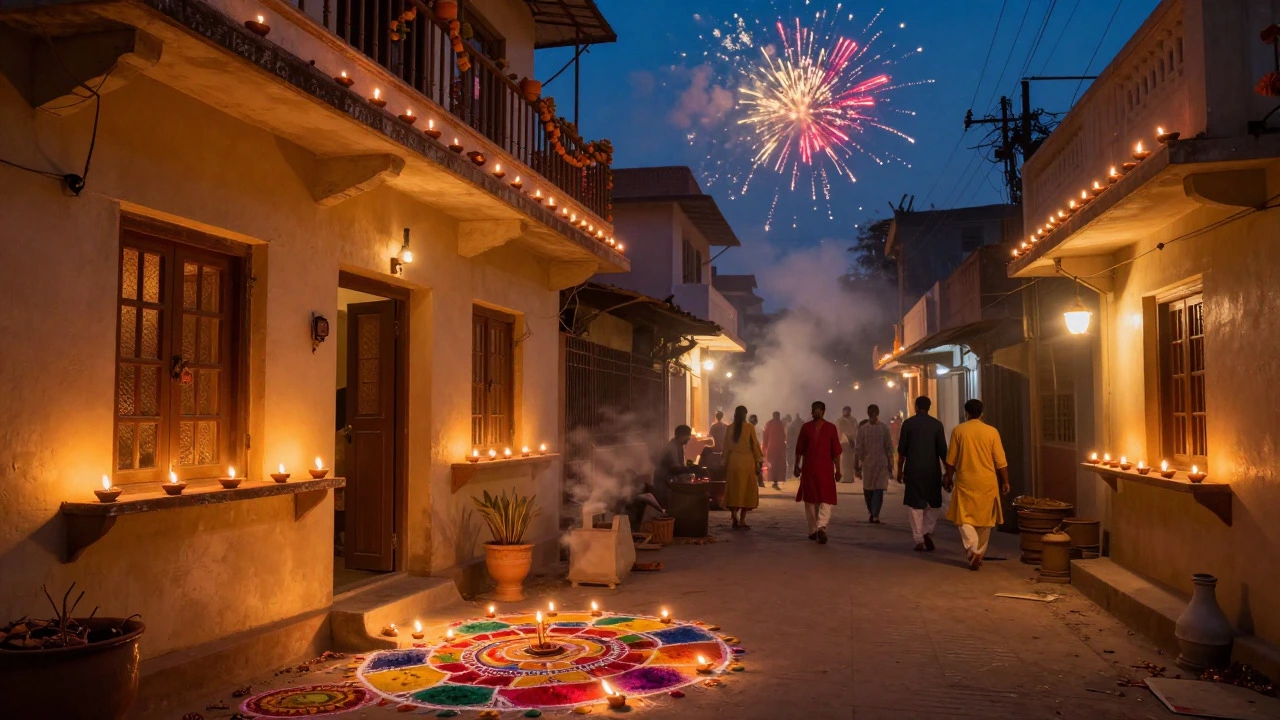
Imagine a city at dusk where every window glows with warm light, the air smells of frying sweets and burning incense, and the silence is broken only by distant firecrackers. This is Diwali, the most widely celebrated Hindu festival in India, marking the victory of light over darkness and good over evil. It isn't just one day; it’s a five-day journey that transforms homes, streets, and hearts across the subcontinent. If you’ve ever wondered what actually happens during this vibrant period, you’re looking at the wrong picture if you think it’s just about fireworks. It’s a complex tapestry of rituals, regional variations, and deep spiritual meaning that varies significantly from North to South.
The Five-Day Journey of Celebration
Diwali doesn’t start on the main day. It builds up like a crescendo. The festival spans five days, each with its own specific ritual and purpose. Understanding this timeline helps demystify the chaos of shopping, cleaning, and cooking that precedes the main event.
- Dhanteras (Day 1): Also known as Dhantrayodashi, this day is dedicated to wealth. Families buy gold, silver, or household appliances. The belief is that buying metal on this day brings prosperity. In many parts of Maharashtra and Gujarat, people also worship Lord Ganesha and Goddess Lakshmi.
- Naraka Chaturdashi (Day 2): Often called Choti Diwali, this day commemorates the return of Lord Krishna from Mathura to Dwarka after defeating the demon Narakasura. People take an oil bath early in the morning, wear new clothes, and decorate their homes. It’s a day of preparation and purification.
- Lakshmi Puja (Day 3 - Main Day): This is the core of the celebration. Homes are cleaned thoroughly, floors are decorated with Rangoli, colorful floor patterns made using colored powders, rice, or flowers to welcome guests and deities. Evening prayers are offered to Goddess Lakshmi for wealth and well-being. Families exchange gifts and eat sweets.
- Govardhan Puja (Day 4): Celebrated in memory of Lord Krishna lifting Govardhan Hill to protect villagers from torrential rains. In many regions, this day marks the beginning of business ledgers (Bhai Dooj) for merchants. It’s a day of gratitude for nature’s protection.
- Bhai Dooj (Day 5): A day celebrating the bond between brothers and sisters. Sisters apply a tilak on their brothers' foreheads and pray for their long life. Brothers gift their sisters presents in return. It’s similar to Raksha Bandhan but with a distinct Diwali flavor.
Regional Variations: One Name, Many Faces
One of the biggest misconceptions about Diwali is that it looks the same everywhere. In reality, the customs shift dramatically depending on where you are in India. The central theme remains the triumph of light, but the stories and rituals differ.
| Region | Primary Story/Focus | Key Rituals | Distinctive Food |
|---|---|---|---|
| North India | Return of Rama to Ayodhya | Lakshmi Puja, Deepotsav (lighting lamps) | Kaju Katli, Gulab Jamun |
| West India (Gujarat/Maharashtra) | Victory of Krishna over Narakasura | Havan, Buying Gold, Fireworks | Peda, Halwa, Sev Puri |
| South India | Victory of Ravana over Kubera / Lord Shiva's Wedding | Deepam Lighting, Kolam Drawing | Murukku, Kesari Bath |
| East India (Bengal) | Worship of Kali and Durga | Kali Puja, Barasat | Mishti Doi, Payesh |
In North India, the story is rooted in the epic Ramayana. When Rama, a prince exiled from his kingdom who eventually defeats the demon king Ravana returned to Ayodhya after 14 years, the citizens lit rows of clay lamps to welcome him home. That act of lighting lamps became the foundation of Diwali. In contrast, in West India, particularly Gujarat and Maharashtra, the focus shifts to Lord Krishna. The festival celebrates his victory over the demon Narakasura, which freed women from oppression. This is why the second day, Naraka Chaturdashi, holds such significance there.
In South India, Diwali is often linked to the wedding of Lord Shiva and Parvati, or the victory of the demon Ravana over the god of wealth, Kubera, allowing Ravana to claim the throne of Lanka. Consequently, the emphasis is less on commercial prosperity and more on spiritual enlightenment and family bonding. The food reflects this too; while North Indians feast on heavy milk-based sweets, South Indians prefer lighter, crispy snacks like Murukku and savory dishes.
The Rituals: From Cleaning to Prayers
If you visit an Indian home during Diwali, the first thing you’ll notice is the cleanliness. Every surface is scrubbed, walls might be repainted, and old clutter is removed. This isn’t just aesthetic; it’s symbolic. Cleaning the house is believed to sweep away bad luck and make room for Goddess Lakshmi to enter. If the house is dirty, she won’t stay.
The centerpiece of the decoration is the Diyas, small clay oil lamps that symbolize inner light dispelling outer darkness. These are placed on windowsills, doorsteps, and rooftops. In urban areas, electric candles are common now due to safety concerns, but traditional oil-filled diyas remain popular in rural areas and among purists. The glow of thousands of these small flames creates a collective atmosphere of peace and hope.
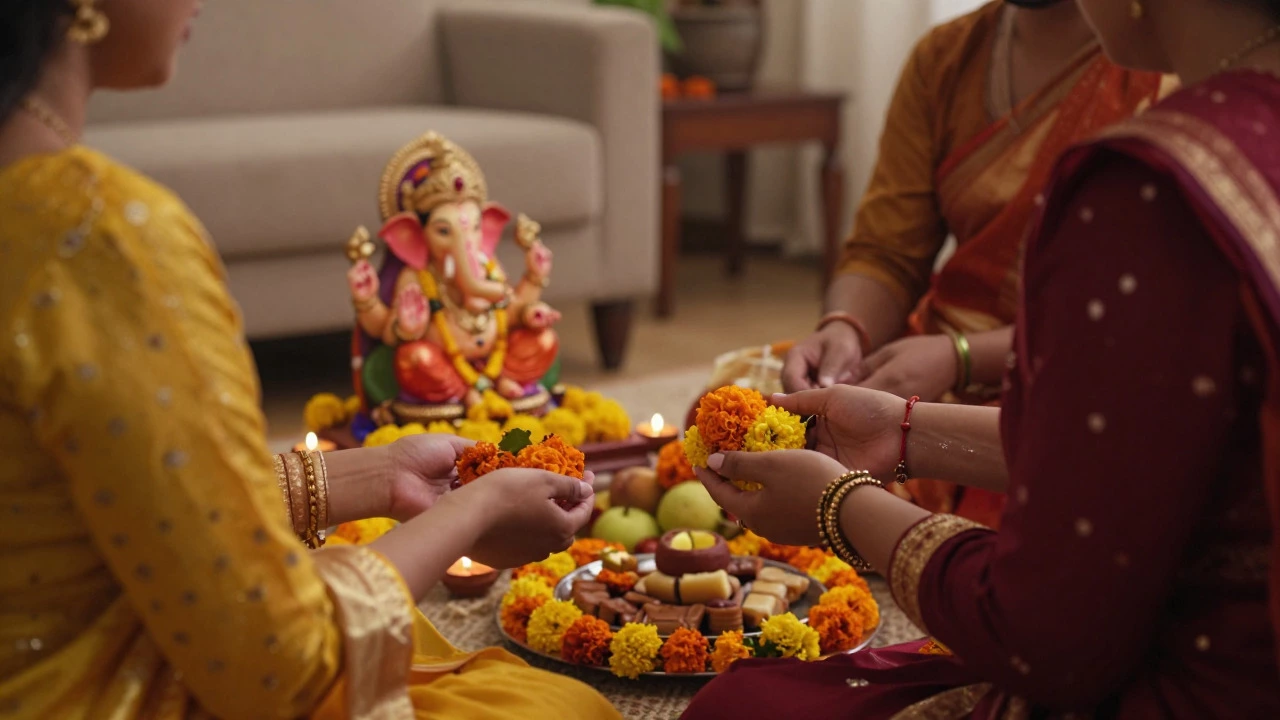
The evening prayer, or Puja, is the spiritual heart of the day. Families gather around an altar with images of Goddess Lakshmi and Lord Ganesha. They offer flowers, fruits, and sweets. The prayers ask for wisdom, health, and financial stability. It’s a moment of pause amidst the festivities, reminding everyone of the divine presence in their lives.
Food: The Sweetest Part of the Festival
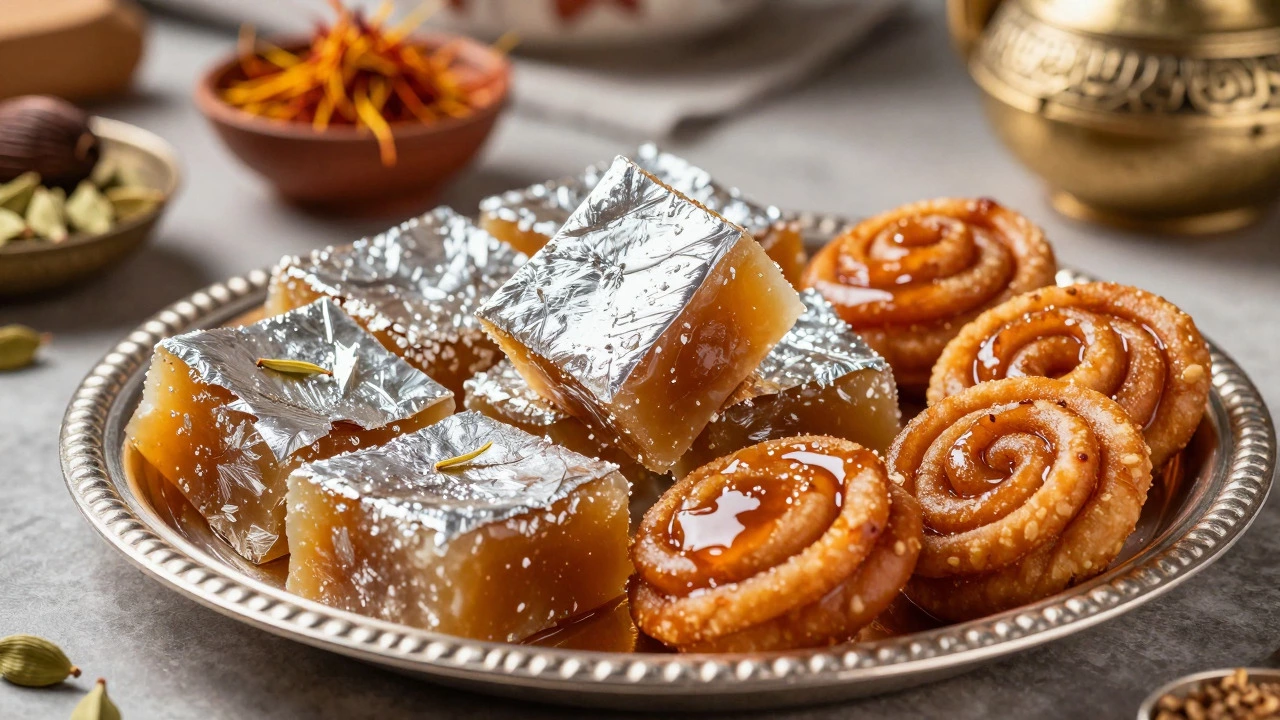
You can’t talk about Diwali without talking about food. It’s not just fuel; it’s a medium of sharing and love. Sweets are exchanged between neighbors, friends, and colleagues. The choice of sweet often depends on the region and personal preference, but some classics never go out of style.
- Kaju Katli: A diamond-shaped fudge made from cashew nuts, sugar, and ghee. It’s delicate, melts in your mouth, and is the most popular gift item.
- Gulab Jamun: Deep-fried dumplings soaked in rose syrup. Warm, sticky, and incredibly comforting.
- Peda: A soft, chewy sweet made from reduced milk (khoya). It comes in various flavors, including cardamom and saffron.
- Murukku: A spiral-shaped crunchy snack made from rice flour and urad dal. It’s savory and pairs well with tea.
Beyond sweets, families prepare elaborate meals. In many households, the kitchen becomes a war zone of activity days before the festival. The smell of frying dough, roasting spices, and simmering gravies fills the air. Sharing these foods with neighbors reinforces community bonds. It’s a time when social barriers drop, and hospitality reaches its peak.
Modern Twists and Environmental Concerns
While the core rituals remain unchanged, modern life has added new layers to Diwali. Fireworks have become a major part of the celebration, especially in cities. However, in recent years, there’s been a growing movement towards eco-friendly Diwali. Many people are switching to LED lights instead of firecrackers to reduce air pollution and noise disturbance. This shift is driven by both environmental awareness and government regulations in places like Delhi and Mumbai.
Another modern trend is digital gifting. Instead of physically delivering boxes of sweets, people send e-cards and online coupons. While convenient, many still believe that the physical act of visiting someone’s home and offering sweets carries more emotional weight. There’s a balance being struck between convenience and tradition.
For non-Indians living in India or those interested in cultural immersion, Diwali offers a unique opportunity to experience Indian hospitality firsthand. You don’t need to be Hindu to participate. Most families are happy to welcome guests, share their food, and explain the significance of their rituals. It’s a festival that invites everyone to join in the celebration of light and positivity.
Frequently Asked Questions
When is Diwali celebrated?
Diwali falls on the new moon day (Amavasya) in the Hindu month of Kartik, which usually corresponds to October or November in the Gregorian calendar. The exact date changes every year based on the lunar cycle.
Can non-Hindus celebrate Diwali?
Yes, absolutely. Diwali is increasingly recognized as a universal festival of light and joy. Many non-Hindu communities in India and abroad participate by lighting lamps, eating sweets, and enjoying the festive atmosphere. It’s open to all who wish to celebrate positivity.
What is the significance of Rangoli?
Rangoli is a form of decorative art made on the floor using colored powders, rice, or flowers. It serves two purposes: aesthetically welcoming guests and spiritually creating a barrier against negative energy. The intricate designs are meant to attract good fortune and blessings.
Why do people buy gold on Dhanteras?
Dhanteras is considered an auspicious day for purchasing metal, especially gold and silver. It is believed that buying precious metals on this day brings wealth and prosperity for the coming year. It’s also seen as a way to honor Goddess Lakshmi, the goddess of wealth.
Is Diwali only about fireworks?
No, fireworks are just one aspect of the celebration. The core elements include lighting lamps (diyas), performing prayers (puja), decorating homes, exchanging gifts, and sharing food. Fireworks add to the excitement but are not essential to the spiritual or cultural essence of the festival.