Cultural Knowledge Check: Kali Puja vs. Diwali
Test Your Knowledge
Do you know the nuances of these celebrations?Question text goes here?
Quiz Complete!
Your final score is:
Key Takeaways: Diwali vs. Kali Puja
- In Bangladesh, the "Diwali" period is primarily celebrated as Kali Puja.
- While Diwali focuses on Lord Rama's return, Kali Puja honors the destroyer of evil, Goddess Kali.
- The celebrations are characterized by night-long prayers, massive pandals, and traditional sweets.
- Deepavali is still recognized by the community, but Kali Puja is the dominant cultural event.
The Shift from Light to Power
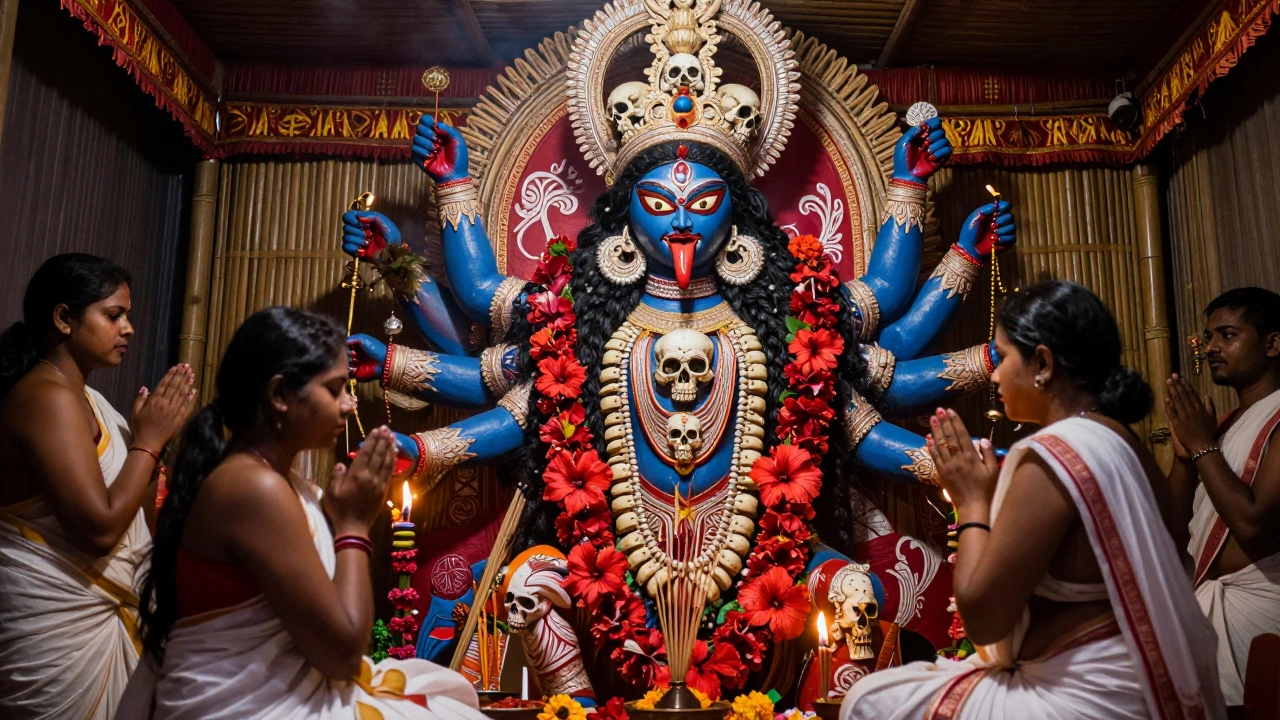
If you ask a local in Bangladesh about Diwali, they'll likely smile and point you toward the nearest Kali Puja pandal. To understand why, you have to look at the theology. Most of India celebrates the victory of light over darkness through Lord Rama and Goddess Lakshmi. However, in the heart of Bengali culture, the focus shifts to Goddess Kali is the fierce manifestation of the Divine Mother, representing time, change, and the destruction of the ego .
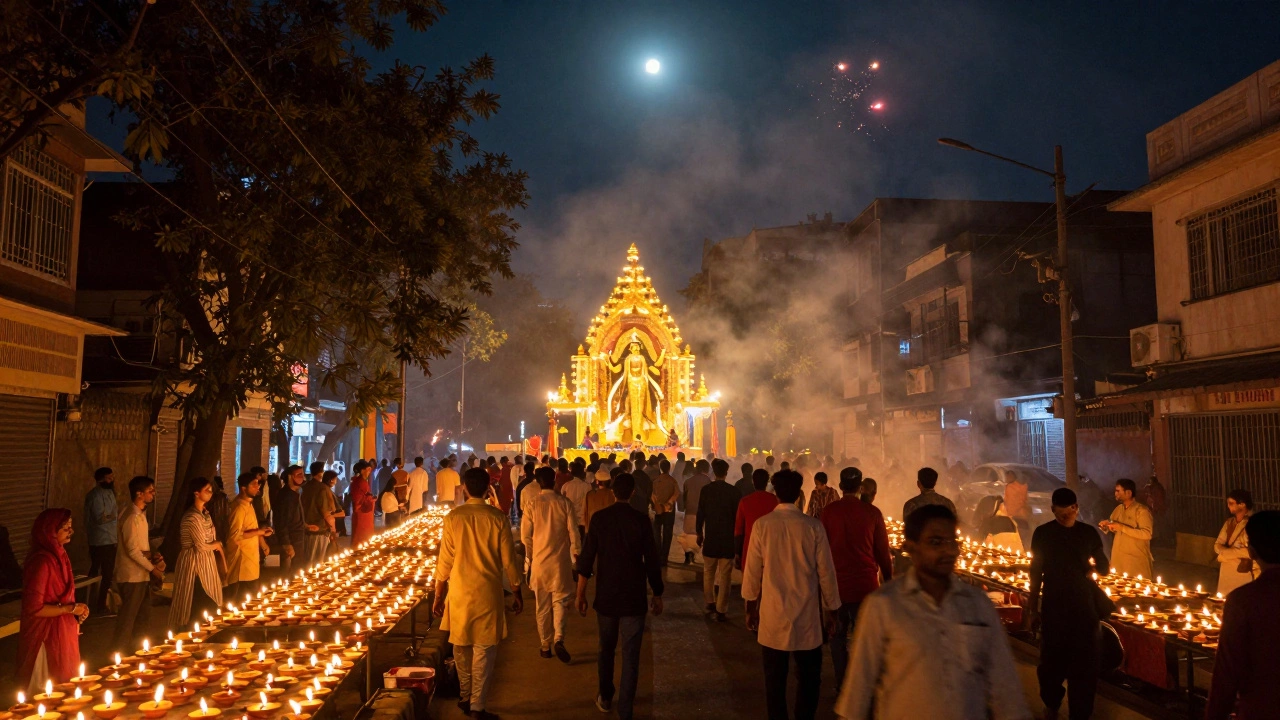
For the Hindu minority in Bangladesh, this isn't just a religious rite; it's a survival of tradition. The festival usually takes place on the New Moon night (Amavasya) of the month of Kartik. Instead of just lighting lamps to guide a king home, they light lamps to ward off the darkness of ignorance and to appease the fierce goddess who protects the universe. Have you ever wondered why some festivals feel more like a party and others like a spiritual battle? Kali Puja is the latter.
How Kali Puja is Celebrated in Bangladesh
The celebration isn't a quiet affair. It starts with the construction of "Pandals"-temporary, elaborately decorated marquees that house the idol of the Goddess. These structures are often architectural marvels, using bamboo and cloth to create everything from ancient temples to modern cityscapes. The scale is similar to the famous Durga Puja, though slightly smaller in some regions.
The ritual itself is intense. The Puja begins late at night and continues until dawn. Priests chant mantras, and devotees offer red hibiscus flowers-the preferred flower of the Goddess. You'll see people wearing traditional attire: men in white dhotis and women in red-bordered white sarees. The atmosphere is a mix of fear and love, reflecting the complex nature of Kali herself.
| Feature | Diwali (General India) | Kali Puja (Bangladesh/Bengal) |
|---|---|---|
| Primary Deity | Lakshmi / Rama | Goddess Kali |
| Core Theme | Prosperity & Return | Destruction of Evil & Ego |
| Key Symbol | Oil Lamps (Diyas) | Hibiscus Flowers & Lamps |
| Timing | Amavasya of Kartik | Amavasya of Kartik (Simultaneous) |
The Connection to Deepavali
Now, does that mean Diwali doesn't exist in Bangladesh? Not exactly. Deepavali is the Sanskrit term for a "row of lights," which remains the broader name for the festival of lights . Many families in Bangladesh still perform Lakshmi Puja (praying to the Goddess of Wealth) alongside Kali Puja. They light lamps around their homes and exchange sweets, just like their counterparts in Delhi or Mumbai.
However, the social weight is different. If you go to a city like Dhaka, the "event" of the season is the Kali Puja. The lighting of lamps is more of a supporting act to the main worship of the Goddess. It's a fascinating blend where the general idea of Deepavali provides the lighting, but the specific regional tradition of Kali Puja provides the soul and the story.
Traditional Foods and Social Rituals
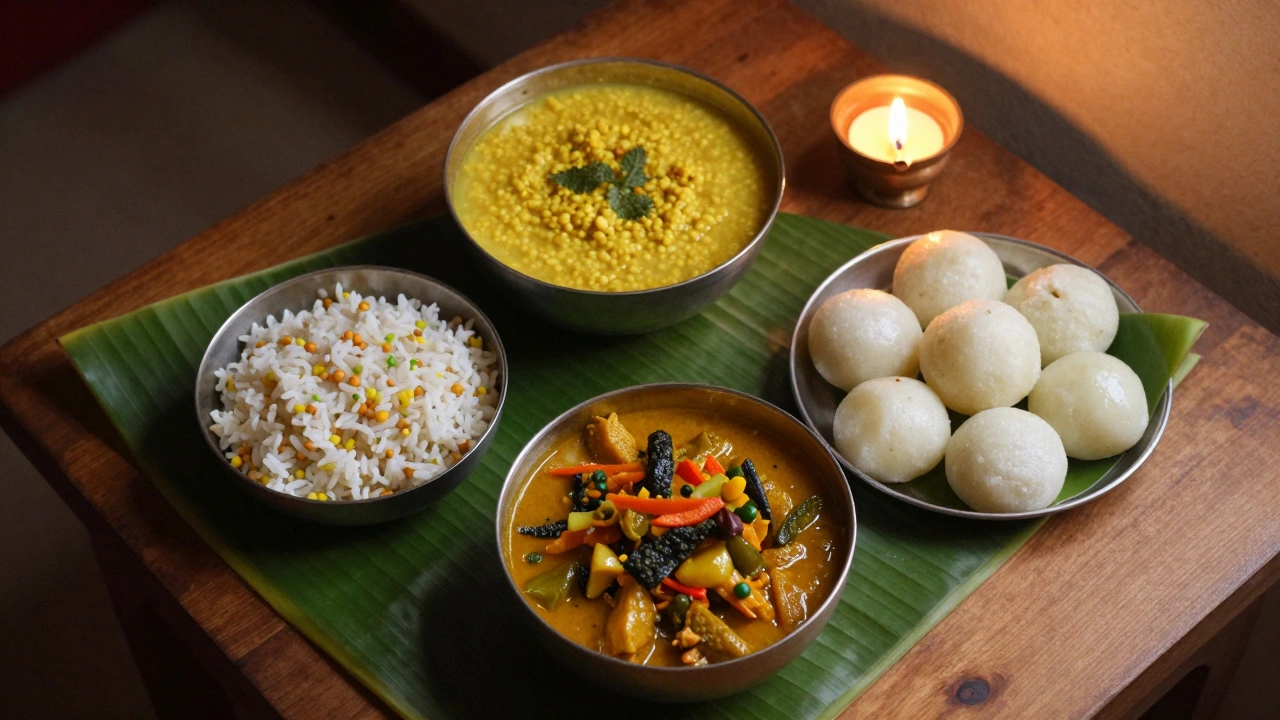
You can't talk about a Bengali festival without talking about food. During this time, the kitchens are buzzing. While the rest of India might be making Gujiya or Karanji, Bengali households are focusing on Bhog is a food offering made to the deity, usually consisting of Khichuri (lentil and rice) and Labra (mixed vegetable curry) .
After the prayers, the community gathers to share these meals. There's also a heavy emphasis on Mishti (sweets). Rosogolla and Sandesh are staples, often distributed to neighbors and friends as a gesture of goodwill. This social bonding is what keeps the community tight-knit, especially in areas where Hindu populations are smaller.
Common Misconceptions
A common mistake visitors make is thinking that Kali Puja is a "dark" or "scary" festival because of the Goddess's appearance-the tongue sticking out and the garland of skulls. In reality, for the people of Bangladesh, she is the "Ma" (Mother). The fierce look is interpreted as a protective rage against injustice. It's not about death, but about the removal of the ego to make room for spiritual growth.
Another misconception is that it's just a "local version" of Diwali. While they happen at the same time, the roots of Kali Puja are deeply embedded in Tantric traditions and the specific spiritual landscape of the Bengal delta, making it a distinct entity rather than just a translation.
Practical Tips for Visiting During the Festival
If you're planning to experience this in Bangladesh, keep a few things in mind to make the most of it:
- Dress modestly: When visiting pandals or temples, opt for conservative clothing. A shawl or a long sleeve is usually appropriate.
- Timing: The real magic happens after 8 PM. Most pandals don't reach their peak decoration and crowd until late in the evening.
- Transport: Be prepared for traffic. In cities like Dhaka, the roads become incredibly congested near the Puja sites. Walking or using rickshaws is your best bet.
- Respect the Rituals: If you're taking photos of the idol, a quick nod or asking the priest is a polite way to ensure you're not interrupting a prayer.
Is Kali Puja the same as Diwali in Bangladesh?
While they occur at the same time and share the tradition of lighting lamps (Deepavali), Kali Puja is the primary celebration in Bangladesh. It focuses on the worship of Goddess Kali rather than the return of Lord Rama, making it culturally and theologically distinct from the way Diwali is celebrated in most of India.
When is Kali Puja celebrated?
Kali Puja is celebrated on the New Moon day (Amavasya) of the Hindu lunar month of Kartik. This usually falls in October or November of the Gregorian calendar.
Do people in Bangladesh celebrate Lakshmi Puja too?
Yes, many Hindu families in Bangladesh perform Lakshmi Puja (worship of the Goddess of Wealth) on the same night or nearby dates, bridging the gap between the local Kali Puja and the broader Deepavali traditions.
What are the most common offerings for Goddess Kali?
The most significant offering is the red hibiscus flower. Other offerings include incense, sweets (Mishti), and various fruits, all presented during the night-long ritual.
Why is the Goddess Kali depicted so fiercely?
Her fierce appearance symbolizes the destruction of the ego and the annihilation of evil. To her devotees, this isn't frightening but is seen as a form of divine protection and a way to clear the path for spiritual liberation.
Next Steps for Cultural Exploration
If you've enjoyed learning about the nuances of Kali Puja, you might want to explore the broader context of Bengali culture. A great next step is looking into Durga Puja, which is the largest festival for Bengalis and shares many similarities in terms of pandal culture and community spirit. You could also research the Tantric traditions of Bengal to understand why certain deities, like Kali, hold such a prominent place in the region's spirituality compared to other parts of South Asia.