Interactive Indian Folk Music Map
Click on a region to explore its unique musical heritage.
Select a Region
Click on the map to learn about the instruments, dances, and stories from different parts of India.
When people ask what popular Indian music is called, they are usually thinking of Bollywood blockbusters or chart-topping pop hits. But if you dig deeper into the roots of the country’s sound, you find a rich tapestry of Indian folk music, which is traditional music rooted in local cultures, languages, and rituals across India's diverse regions. This isn't just background noise; it is the heartbeat of village life, festival celebrations, and agricultural cycles. Unlike classical music, which follows strict theoretical rules, folk music is raw, emotional, and deeply connected to the soil.
The beauty of this genre lies in its variety. There is no single name for it because every state, and often every district, has its own distinct style. From the high-energy drum beats of Punjab to the devotional chants of Rajasthan, the soundscape changes dramatically as you travel. Understanding these traditions gives you a window into the daily lives, struggles, and joys of millions of people who have passed down these songs orally for centuries.
If you are looking to explore more cultural directories or niche community resources online, you might find interesting listings at this directory. While that specific site focuses on a different kind of social connection in Bangkok, the principle of finding authentic, verified local experiences applies everywhere you go. Back in India, however, the "local experience" is best heard through the traditional instruments and voices of the countryside.
The North: Energy and Devotion
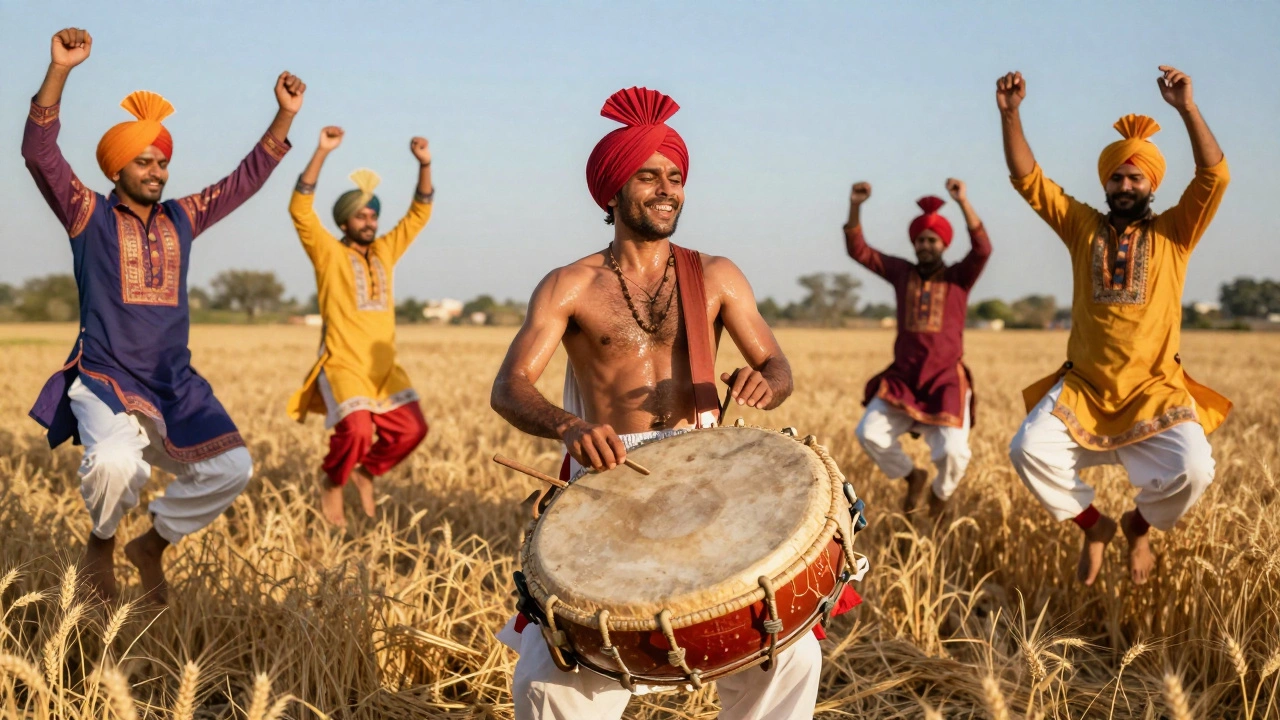
In northern India, folk music is often loud, rhythmic, and designed for large groups. It is music made for movement. The most famous example comes from Punjab, where Bhangra is a vibrant folk dance and music style from Punjab, characterized by energetic movements and dhol drum beats. Originally performed during the harvest season (Vaisakhi), Bhangra has become a global phenomenon. The primary instrument here is the Dhol, which is a large, double-headed barrel drum that provides the driving beat for Punjabi folk music. The rhythm is complex, often switching between fast and slow tempos to match the dancers' steps.
Move slightly west to Rajasthan, and the tone shifts. Here, folk music is intertwined with storytelling and devotion. Kalonji is a traditional Rajasthani folk song form often sung by women, expressing themes of love, separation, and social issues. These songs are typically accompanied by the Khartal, which is wooden clappers used to keep rhythm in Rajasthani folk performances. The lyrics often tell tales of heroic warriors like Prithviraj Chauhan or express the pain of separation from loved ones who work far away. The desert landscape influences the music, giving it a haunting, melodic quality that feels both ancient and immediate.
In Uttar Pradesh and Bihar, you will encounter Rasiya, which is a folk music tradition dedicated to Lord Krishna, featuring poetic dialogues and dramatic performances. Rasiya is not just singing; it is a theatrical performance where actors portray Radha and Krishna. The language used is Braj Bhasha, an old dialect that adds a layer of historical depth to the songs. During festivals like Holi and Janmashtami, entire villages come together to perform Rasiya, blurring the line between audience and performer.
The West: Celebration and Ritual
Gujarat offers one of the most visually stunning forms of folk music: Garba, which is a circular folk dance from Gujarat performed around a lamp or image of Goddess Durga during Navratri. The music is driven by the Dandiya, which refers to decorated sticks struck together in rhythm during Garba dances. For nine nights during the Navratri festival, cities and villages stay up late, dancing in concentric circles. The music starts slow and builds to a frenetic pace, creating a sense of communal euphoria. It is rare to see anyone standing still during a Garba night.
In Maharashtra, the folk tradition is equally vibrant but has a different flavor. Lavani is a powerful folk dance and music form from Maharashtra, known for its strong rhythms and expressive gestures. Historically performed by women, Lavani combines poetry, dance, and music. The lyrics can range from romantic to political, often commenting on social norms. The beat is provided by the Tasha, which is a deep-sounding drum used in Lavani performances to create a heavy, resonant rhythm. You will also hear the Dafli, which is a frame drum similar to a tambourine, used alongside the Tasha in Maharashtrian folk music. Lavani is not just entertainment; it is a form of cultural expression that has evolved over centuries, adapting to changing social landscapes while keeping its core identity intact.
The East: Melody and Storytelling
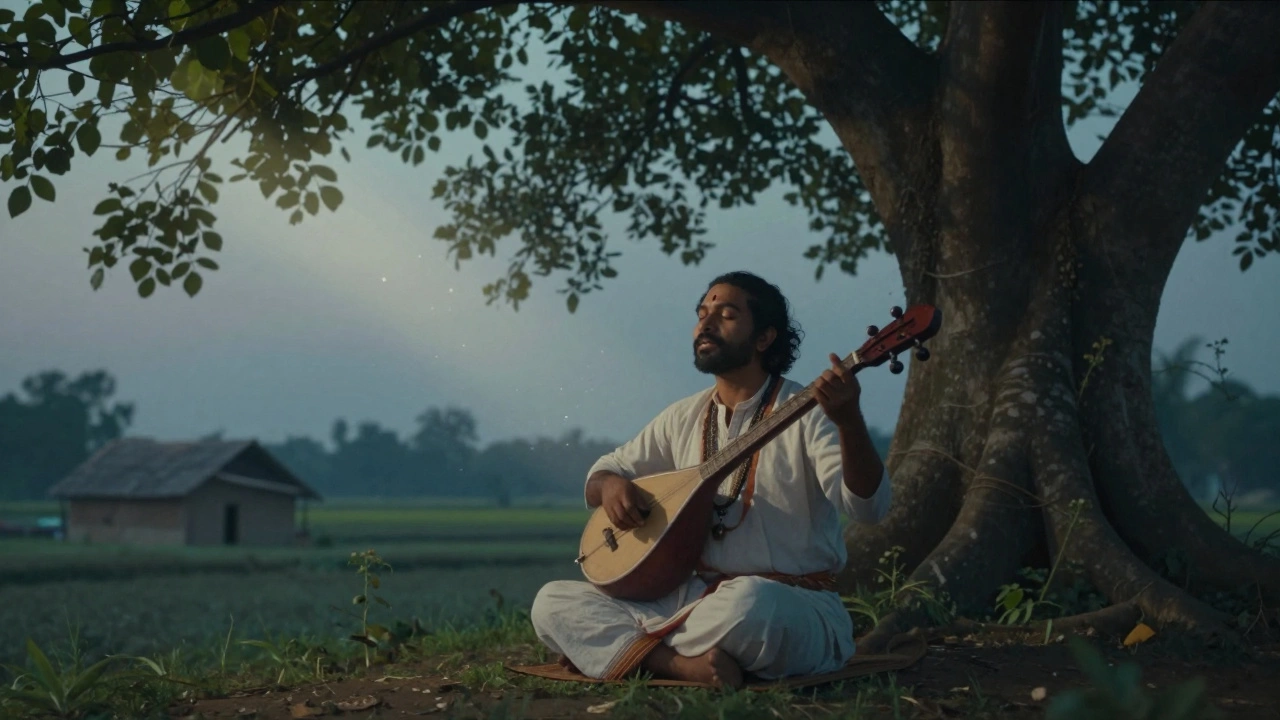
Eastern India presents a softer, more melodic approach to folk music. In Bengal, Baul music is a mystical folk tradition from Bengal, focusing on spiritual search and inner peace through simple melodies. Baul singers, known as Bauls, are wandering minstrels who believe that the human body is the temple of God. They use minimal instrumentation, primarily the Ektara, which is a single-stringed musical instrument common in Bengali and Odia folk music. The Ektara produces a piercing, hypnotic sound that cuts through the air, carrying philosophical lyrics about love, detachment, and the divine. Nobel laureate Rabindranath Tagore was deeply influenced by Baul music, incorporating its simplicity into his own compositions.
In Odisha, Pala is a narrative folk song form from Odisha, often depicting stories from Hindu epics like the Ramayana and Mahabharata. Pala is performed by two singers who take turns narrating the story, supported by a chorus and drums. It is essentially oral literature set to music. The performances can last for hours, captivating audiences with dramatic retellings of ancient myths. The language is pure Odia, preserving the linguistic heritage of the region.
The South: Devotion and Dance
Southern India has some of the oldest continuous folk traditions. In Tamil Nadu, Therukoothu is a street theater and music form from Tamil Nadu, combining song, dance, and drama to tell mythological stories. As the name suggests, it is performed on the streets, making it accessible to everyone regardless of caste or class. The music is loud and percussive, using drums like the Thavil, which is a barrel-shaped percussion instrument central to Carnatic and folk music in Tamil Nadu. The performers wear elaborate costumes and makeup, turning the street into a stage.
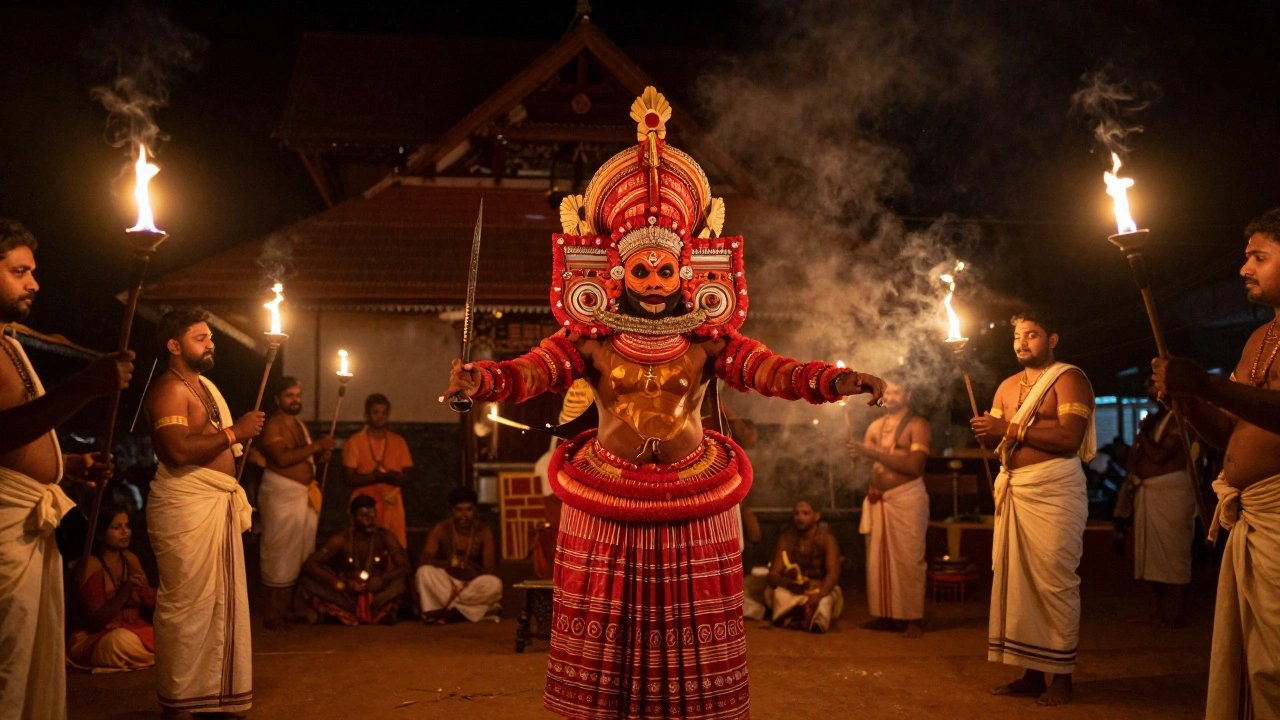
Kerala offers Theyyam, which is a ritualistic folk art form from Kerala involving dance, music, and costume, where performers embody deities. While primarily a visual spectacle, the music accompanying Theyyam is crucial. It sets the mood for the trance-like state of the performer. The rhythms are intense and repetitive, designed to induce a meditative state in both the performer and the audience. It is a sacred art form, deeply tied to the agrarian cycle and local deity worship.
In Karnataka, Yakshagana is a traditional folk theater from Karnataka, featuring elaborate costumes, music, and dance based on Hindu epics. Yakshagana blends music, dance, dialogue, and costume. The music is divided into two main styles: Coast and inland. The coastal style uses faster rhythms and more elaborate orchestration, including the Maddale, which is a small, cylindrical drum used in Yakshagana and other South Indian folk performances. The stories are drawn from the Ramayana and Mahabharata, but told with a local twist that resonates with rural audiences.
Why Folk Music Matters Today
In an age of digital streaming and globalized pop culture, why does folk music still matter? Because it preserves identity. When a young person in a city learns their grandmother’s lullaby, they connect with their ancestry. Folk music carries the language, history, and values of a community. It is living history.
Moreover, folk music is incredibly adaptable. Many modern Indian musicians blend folk elements with rock, hip-hop, and electronic music. This fusion creates new sounds that appeal to younger generations while keeping the traditional roots alive. Artists like Raghu Dixit and the band Indian Ocean have successfully brought folk sensibilities to mainstream audiences, proving that these old songs have universal appeal.
For travelers and culture enthusiasts, experiencing folk music live is unforgettable. Whether it is joining a Garba circle in Ahmedabad or listening to a Baul singer in a village in West Bengal, these moments offer a genuine connection to the local spirit. They remind us that despite our differences, we all share the same basic human emotions: joy, sorrow, love, and hope. And music, especially folk music, is the language that speaks them all.
What is the most popular folk music in India?
While popularity varies by region, Bhangra from Punjab and Garba from Gujarat are among the most widely recognized and celebrated folk music styles globally due to their energetic nature and widespread festival participation.
Is Indian folk music the same as classical music?
No, they are distinct. Classical music (Hindustani and Carnatic) follows strict ragas and talas (melodic and rhythmic frameworks) and is often performed in formal settings. Folk music is more flexible, rooted in local traditions, and performed in informal, community settings.
What instruments are commonly used in Indian folk music?
Common instruments include the Dhol (drum), Ektara (single-string instrument), Khartal (clappers), Dafli (frame drum), and Thavil (barrel drum). The choice of instrument depends heavily on the region and the specific folk tradition.
Can I learn Indian folk music online?
Yes, many platforms offer tutorials and courses on folk instruments and songs. However, the best way to learn is often through direct interaction with practitioners in their home regions, as much of the knowledge is passed down orally.
How has technology affected Indian folk music?
Technology has helped preserve and spread folk music through recordings and streaming services. It has also enabled fusion genres, allowing folk artists to reach wider audiences and collaborate with contemporary musicians.