Bangladeshi Festival Explorer
Click on a festival card below to discover its history, key rituals, and traditional foods.
Durga Puja
Sept/OctThe crown jewel of celebrations honoring Goddess Durga.
Kali Puja
Oct/NovThe night of power and introspection honoring Goddess Kali.
Lakshmi Puja
Oct/NovCelebration of wealth, prosperity, and financial stability.
Saraswati Puja
Feb/MarHonoring knowledge, arts, music, and science.
Pohela Boishakh
April 14The Bengali New Year, a celebration of secular harmony.
Walking through the streets of Dhaka or Kolkata during October, you might feel like time has stopped. The air smells of incense and flowers. Music plays from every corner. People are dressed in bright reds, greens, and golds. If you ask what is happening, the answer is simple but profound: it is festival season. But when people ask what is the Bangladeshi Hindu festival, they often assume there is just one. That is a common mistake. Bangladesh has a rich tapestry of Hindu celebrations that blend ancient mythology with local Bengali culture.
Bangladesh is home to millions of Hindus who have lived there for centuries. Their festivals are not isolated events; they are woven into the social fabric of the entire country. Even many Muslims in Bangladesh participate in these celebrations, sharing sweets and joy. Understanding these festivals means understanding the heart of Bengal itself.
The Crown Jewel: Durga Puja
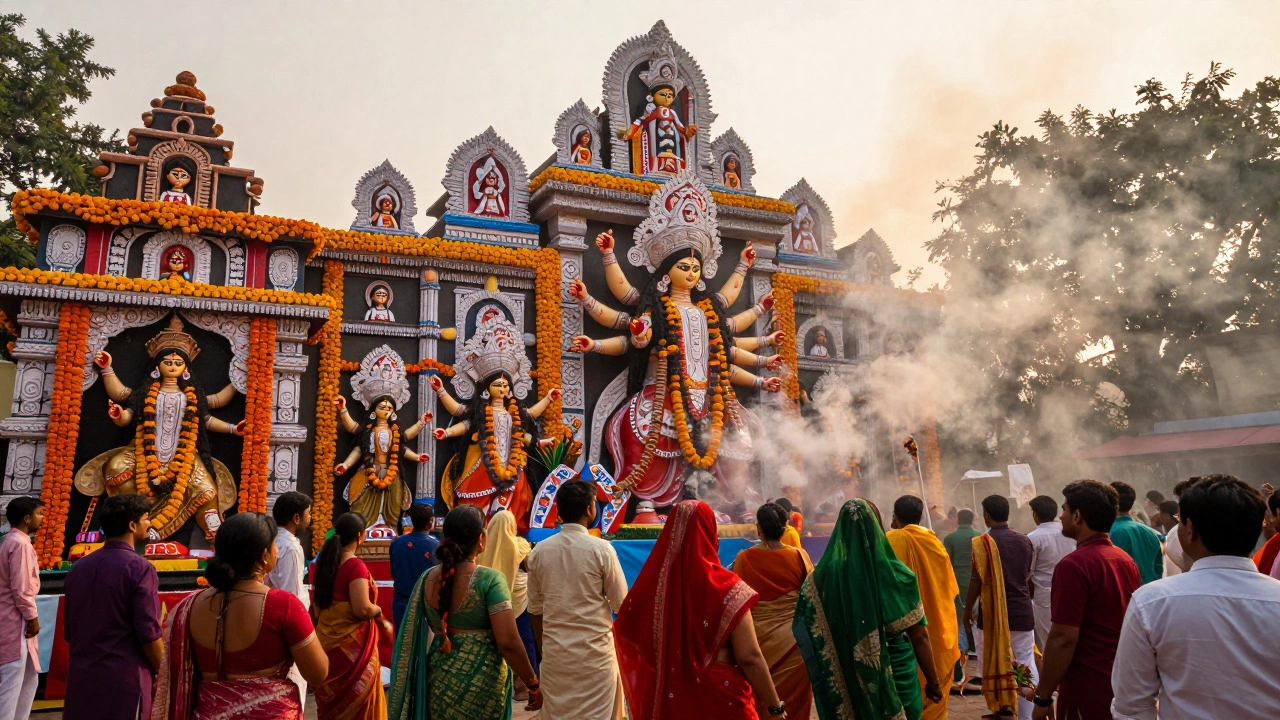
Durga Puja is the most significant and widely celebrated Hindu festival in Bangladesh, honoring the goddess Durga's victory over the buffalo demon Mahishasura. It takes place in the month of Ashwin, usually falling in September or October. For five days, the country transforms.
In Bangladesh, Durga Puja is less about private worship at home and more about community pandals (temporary structures). In cities like Dhaka, Chittagong, and Sylhet, neighborhoods compete to build the most artistic pandal. These structures can be massive, featuring intricate sculptures made of clay, straw, and paper mache.
The ritual involves the immersion of the idol in water bodies on the final day, Dashami. This symbolizes the goddess returning to her husband Shiva’s lap. The emotional weight of this moment is heavy. Families gather, share meals, and say their goodbyes to the deity until next year. It is a display of devotion, art, and communal unity that rivals any celebration in India.
Kali Puja: The Night of Power
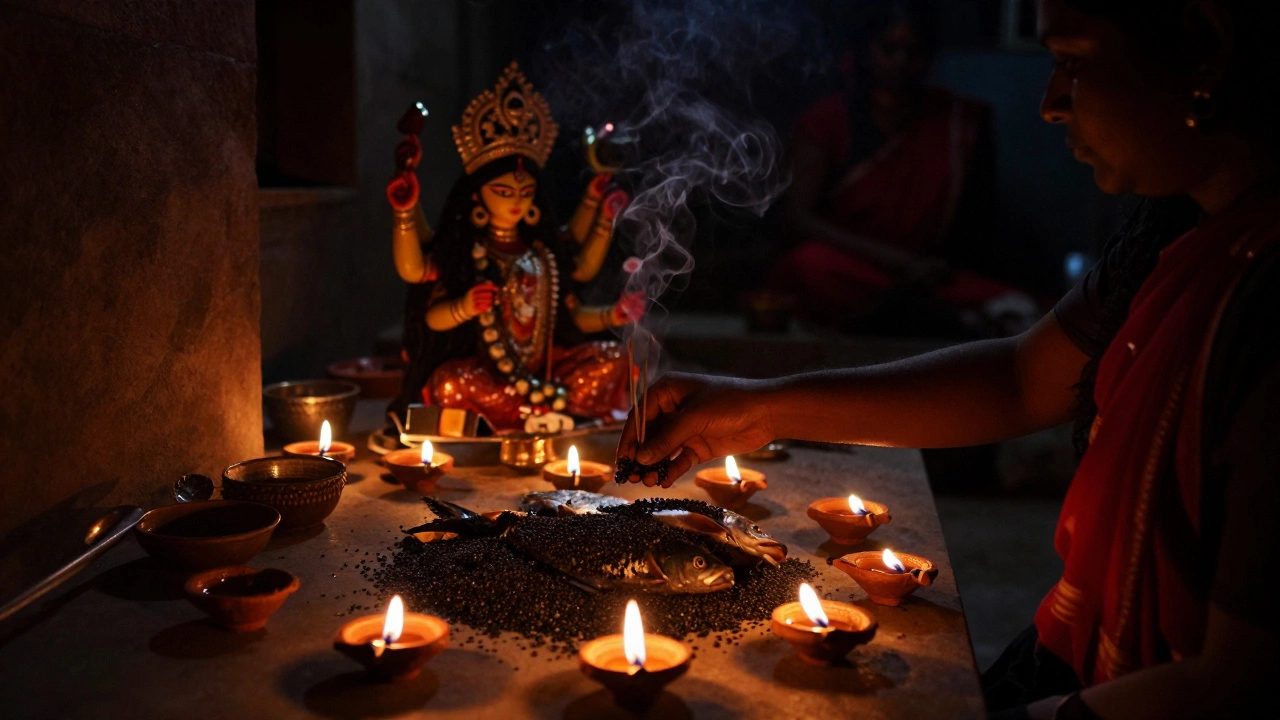
If Durga Puja is the daytime celebration, then Kali Puja is its powerful counterpart. Held on the new moon day of Kartik, usually a few weeks after Durga Puja, this festival honors Goddess Kali. While Durga represents protective motherhood, Kali represents fierce power and the destruction of evil.
In Bangladesh, Kali Puja is marked by night-long prayers. Homes and temples are lit with oil lamps. The atmosphere is solemn yet vibrant. Unlike the colorful chaos of Durga Puja, Kali Puja has a darker, more introspective tone. Devotees offer black sesame seeds, fish, and meat to the goddess, reflecting her fierce nature. It is a reminder that power can be both creative and destructive.
Lakshmi Puja: Wealth and Prosperity
Often celebrated alongside Diwali, Lakshmi Puja focuses on the goddess of wealth and prosperity. In Bangladesh, this festival is particularly important for business communities. Shops, banks, and homes are cleaned thoroughly before the puja begins. Torans (decorative door hangings) made of mango leaves and marigolds adorn entrances.
The rituals involve lighting lamps and offering prayers to Lakshmi for financial stability. It is a time for family gatherings and feasting. Sweets like sandesh and rosogolla are prepared in large quantities. The festival reinforces the value of hard work and gratitude for blessings received.
Saraswati Puja: Knowledge and Arts
Held in the month of Falgun (February-March), Saraswati Puja honors the goddess of knowledge, music, arts, and science. Schools and colleges across Bangladesh organize elaborate celebrations. Students bring their instruments, books, and art supplies to be blessed by the goddess.
This festival highlights the Bengali reverence for education. It is not just a religious event but a cultural milestone. Young musicians play traditional ragas, poets recite verses, and dancers perform classical forms. It sets the tone for the academic year and inspires creativity among the youth.
Pohela Boishakh: The Bengali New Year
While not exclusively Hindu, Pohela Boishakh is the Bengali New Year and a major cultural festival in Bangladesh. Celebrated on April 14th, it marks the beginning of the Bengali calendar. Both Hindus and Muslims join in the festivities, making it a unique example of secular harmony.
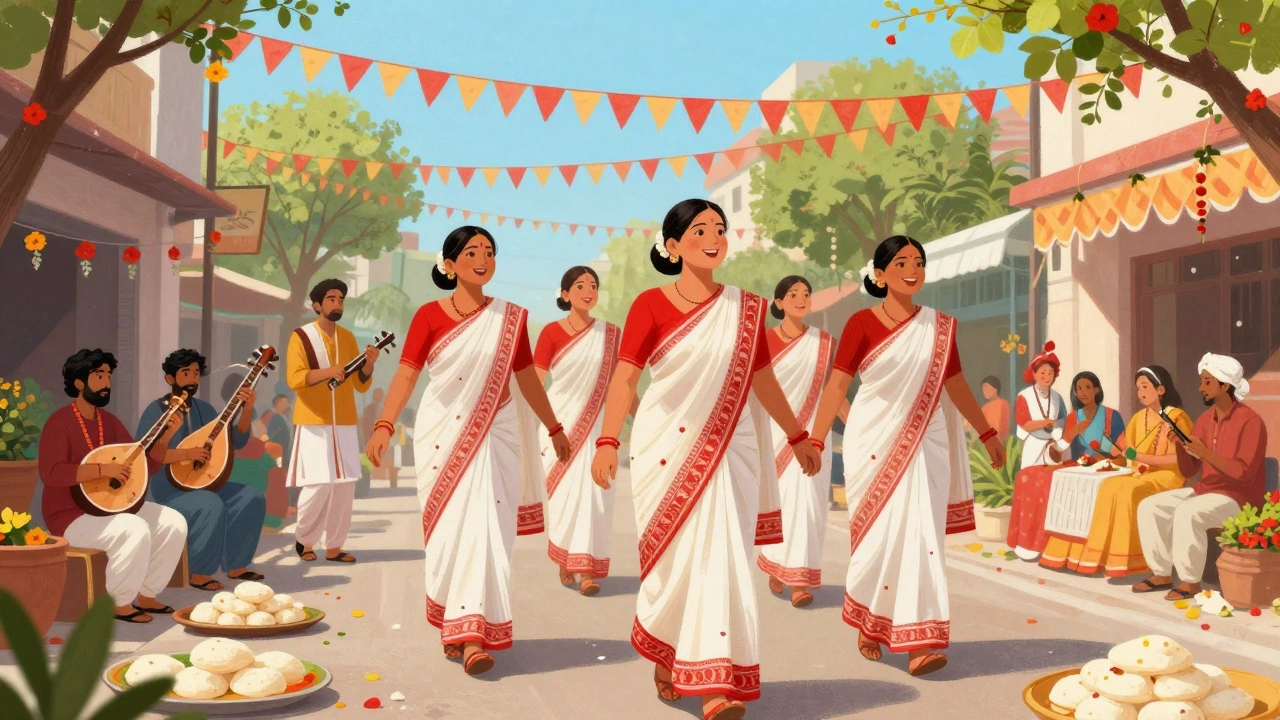
The day starts with Meye Boishakhis, women dressed in white sarees with red borders, walking in processions. Music bands play folk songs, and people visit fairs called Baishakhi Mela. Traditional foods like panta bhat (fermented rice) with hilsa fish are enjoyed. It is a celebration of life, renewal, and cultural identity.
Regional Variations and Local Traditions
Bangladesh is diverse, and so are its festivals. In rural areas, local deities and spirits are also worshipped. For example, in some regions, Manasa Puja honors the snake goddess. In others, Bonbibi Puja celebrates the forest goddess. These local traditions add depth to the national festival landscape.
Each region has its own style of decoration, food, and music. In Sylhet, tea gardens come alive with special performances. In Barisal, boat races accompany the festivities. These variations show how flexible and adaptive Bengali culture is.
| Festival | Goddess/God | Month | Key Rituals | Cultural Significance |
|---|---|---|---|---|
| Durga Puja | Durga | Sept/Oct | Idol immersion, community pandals | Victory of good over evil |
| Kali Puja | Kali | Oct/Nov | Night prayers, oil lamps | Fierce power and protection |
| Lakshmi Puja | Lakshmi | Oct/Nov | Cleaning homes, lighting lamps | Wealth and prosperity |
| Saraswati Puja | Saraswati | Feb/Mar | Blessing books/instruments | Knowledge and arts |
| Pohela Boishakh | N/A (Secular) | April | Meye Boishakhi, fairs | New Year celebration |
Food: The Heart of Celebration
No discussion of Bangladeshi festivals is complete without mentioning food. Each festival has its signature dishes. During Durga Puja, you will find vast spreads of vegetarian and non-vegetarian delicacies. Pitha (rice cakes) are essential. Different types of pitha, such as chitoi pitha and bhapa pitha, are steamed or fried to perfection.
Sweets play a huge role. Sandesh, made from fresh chenna cheese, is a staple. Rosogolla, soft spongy balls soaked in sugar syrup, is another favorite. These sweets are exchanged between families and friends, strengthening social bonds. Food becomes a language of love and respect.
Music and Dance: Expressing Devotion
Music and dance are integral to these festivals. During Durga Puja, dhun (melodies) dedicated to the goddess are played continuously. Ektara and dotara, traditional string instruments, provide the rhythm. Folk dances like Jariya and Baul performances add to the festive spirit.
In Saraswati Puja, classical music takes center stage. Rabindra Sangeet, songs composed by Rabindranath Tagore, are sung with great reverence. Dance forms like Manipuri and Kathak are performed in temples and community halls. These artistic expressions keep the tradition alive and engaging for younger generations.
Modern Challenges and Preservation
Like many traditional cultures, Bangladeshi Hindu festivals face modern challenges. Urbanization leads to less space for large pandals. Environmental concerns arise from idol immersions polluting water bodies. There are efforts to use eco-friendly materials for idols and promote green celebrations.
Despite these challenges, the spirit remains strong. Communities adapt by organizing smaller, sustainable events. Digital platforms help spread awareness and connect diaspora communities. The core values of unity, devotion, and joy continue to thrive.
How to Experience These Festivals
If you plan to visit Bangladesh during these festivals, here are some tips:
- Respect local customs: Dress modestly and ask permission before taking photos.
- Join the community: Participate in public processions and fairs.
- Try the food: Sample local sweets and savory dishes.
- Learn the history: Understand the myths and legends behind each festival.
- Be open-minded: Appreciate the diversity and inclusivity of these celebrations.
Experiencing these festivals firsthand offers a deep connection to Bengali culture. It is not just about watching; it is about feeling the energy and emotion of the people.
What is the biggest Hindu festival in Bangladesh?
Durga Puja is the largest and most widely celebrated Hindu festival in Bangladesh. It involves grand community pandals, idol processions, and extensive feasting, drawing participation from both Hindu and Muslim communities.
Do Muslims in Bangladesh celebrate Hindu festivals?
Yes, many Muslims in Bangladesh actively participate in Hindu festivals like Durga Puja and Pohela Boishakh. They attend processions, share sweets, and enjoy the cultural aspects, reflecting the country's tradition of religious harmony.
When is Durga Puja celebrated in Bangladesh?
Durga Puja is celebrated in the month of Ashwin, which typically falls in September or October. The main rituals occur over five days, culminating in Vijaya Dashami.
What is the significance of Kali Puja?
Kali Puja honors Goddess Kali, representing fierce power and the destruction of evil. It is celebrated on the new moon day of Kartik, usually a few weeks after Durga Puja, with night-long prayers and offerings.
Is Pohela Boishakh a Hindu festival?
Pohela Boishakh is the Bengali New Year and is considered a secular cultural festival. It is celebrated by both Hindus and Muslims in Bangladesh, marking the start of the Bengali calendar on April 14th.
What foods are eaten during Bangladeshi Hindu festivals?
Traditional foods include various types of pitha (rice cakes), sandesh, rosogolla, and elaborate feasts with fish, chicken, and vegetables. Sweet exchanges are a key part of the celebration.