Indian Classical Dance Difficulty Quiz
Which Indian Classical Dance form poses the greatest challenge for you? Take this quiz to test your understanding of the unique hurdles in Bharatanatyam, Kathak, Odissi, and Kuchipudi.
Loading question...
Quiz Complete!
You scored 0 out of 5.
You’ve probably heard someone say they’re "learning ballet" or "taking hip-hop classes," and it sounds manageable. But if you ask a classical dancer in Chennai or Varanasi what the hardest dance to learn is, they won’t just point to one style-they’ll tell you that every major Indian classical form has a specific hurdle that breaks beginners. It’s not just about flexibility; it’s about rewiring your brain.
Think of it like learning a language where the grammar changes based on the emotion you want to convey. That’s the reality of Indian Classical Dance, which encompasses eight recognized forms including Bharatanatyam, Kathak, and Odissi. Each has unique physical and mental demands. So, which one is truly the toughest? The answer depends on whether you struggle more with rhythm, facial expression, or pure physical endurance.
The Physical Grind: Why Bharatanatyam Breaks Beginners
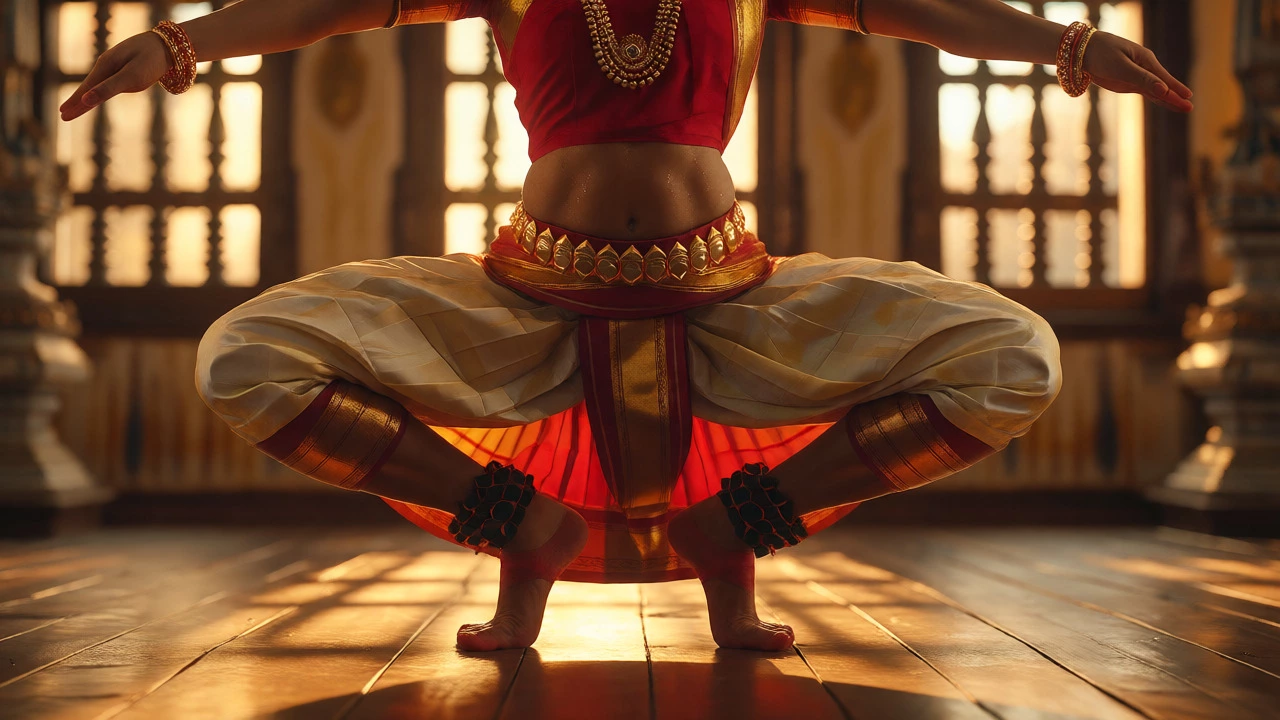
If you value leg strength and geometric precision, Bharatanatyam is often cited as the most physically punishing entry point. Originating from Tamil Nadu, this form requires dancers to maintain a deep squat position called aramandi for extended periods. Your knees must stay open, your back straight, and your core engaged, all while executing rapid footwork patterns known as tala.
Why is this so hard? Most adults have never trained their muscles to hold such an unstable base while moving dynamically. In my experience observing students in London studios, the first six months are mostly about surviving the burn in your quadriceps. You aren’t just dancing; you’re doing static holds that rival gymnastics. If you have weak knees or poor balance, Bharatanatyam will expose those weaknesses immediately. It demands absolute control over gravity.
The Rhythm Puzzle: Kathak’s Mathematical Complexity
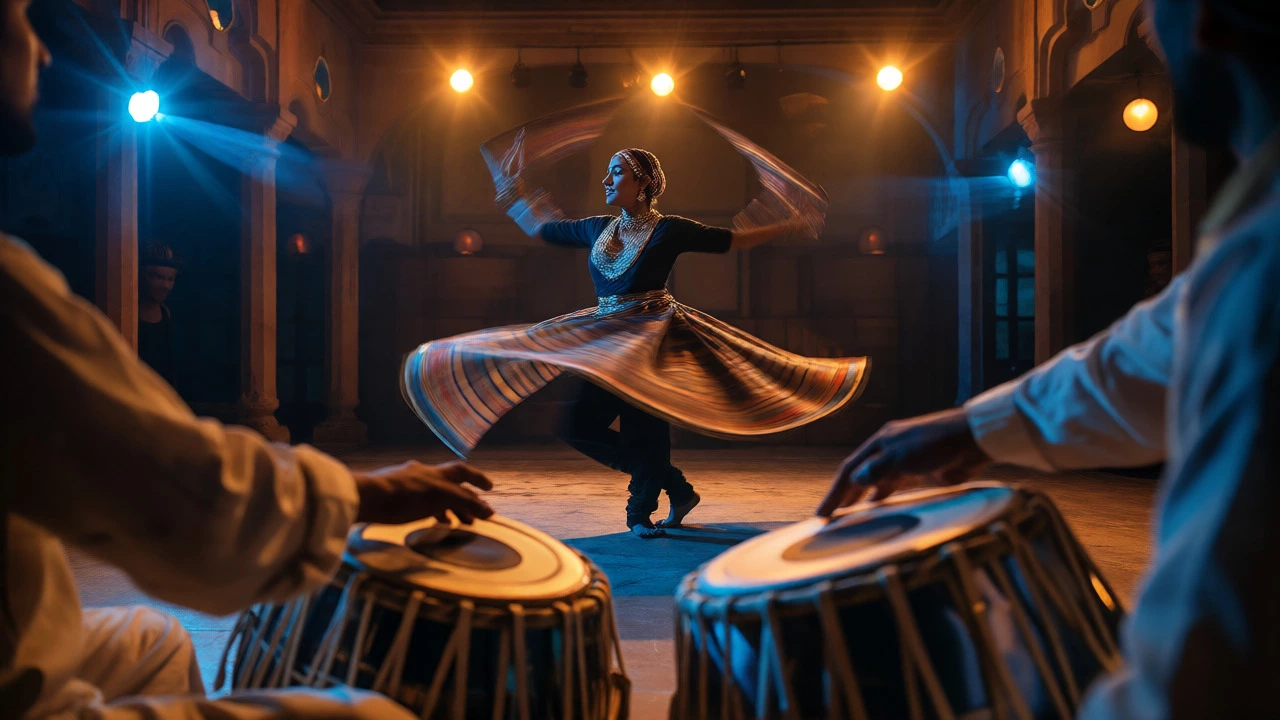
While Bharatanatyam tests your legs, Kathak tests your brain. Hailing from North India, specifically Uttar Pradesh, Kathak is built on complex rhythmic cycles called tals. Dancers must perform intricate footwork (tatkar) that aligns perfectly with tabla beats, often at speeds exceeding 160 beats per minute.
Here’s the kicker: you have to count silently while performing spins (chakkars) that can reach dozens in a single sequence. It’s essentially solving math problems while spinning like a top. Many students quit because they lose the beat during a spin. Unlike Western dances where you might feel the rhythm intuitively, Kathak requires intellectual engagement with the music. If you’re bad at keeping time or get dizzy easily, Kathak will be your nemesis.
| Dance Form | Primary Challenge | Physical Demand | Mental Demand | Time to Proficiency |
|---|---|---|---|---|
| Bharatanatyam | Leg strength & posture | High | Medium | 5-7 years |
| Kathak | Rhythm & balance | Medium-High | Very High | 4-6 years |
| Odissi | Fluidity & isolation | Medium | High | 5-8 years |
| Kuchipudi | Acting & multitasking | High | High | 6-8 years |
The Fluidity Trap: Odissi’s Contradictory Movements
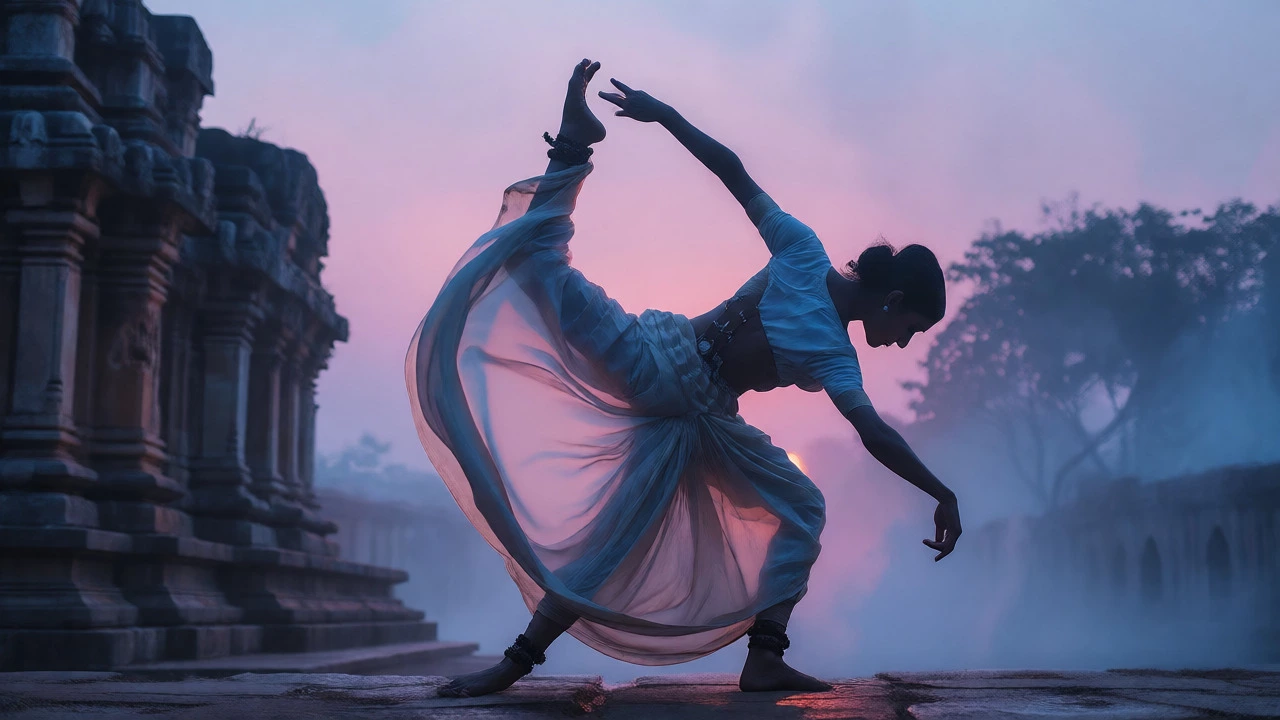
Odissi from Odisha looks effortless, almost liquid. That’s exactly why it’s deceptively difficult. The style relies on the tribhangi stance-a three-part bend of the body that creates a figure-eight shape. To achieve this, you need exceptional spinal flexibility and independent control over your hips, torso, and head.
The challenge here isn’t holding a pose; it’s transitioning between poses without breaking the flow. Beginners often look stiff because they try to force movements rather than letting them ripple through the body. It requires a level of proprioception (body awareness) that takes years to develop. If you’re rigid by nature, Odissi will fight you every step of the way until you learn to relax into tension.
The Multitasking Nightmare: Kuchipudi’s Acting Demands
Some argue that Kuchipudi is the hardest because it combines everything. This Andhra Pradesh tradition asks dancers to sing, act, and dance simultaneously. Imagine trying to hit a high note while balancing on the edge of a brass plate (Tarangam) and maintaining a serious facial expression.
In Kuchipudi, the narrative is paramount. You aren’t just moving; you’re telling a story using abhinaya (facial expressions). The cognitive load is massive. You must remember lyrics, coordinate footwork, manage props, and convey emotion-all without looking panicked. For many, the fear of forgetting a line mid-performance adds a layer of anxiety that other forms don’t impose to the same degree.
Regional Folk Variations: When Tradition Gets Tough
Beyond the classical canon, regional folk forms present their own hurdles. Take Gatka from Punjab, where dancers wield wooden sticks while moving in circles. Or consider Kathakali from Kerala, which uses elaborate makeup and eye movements that require separate training for years before you even touch a dance step.
These forms are harder to access because they often require community immersion. You can’t just take a weekend workshop in Gatka and expect to master it. The cultural context is inseparable from the movement. If you lack local mentors or cultural familiarity, these regional styles become exponentially harder to learn authentically.
How to Choose Your Hardest Dance
So, which should you pick? Here’s a quick decision tree:
- Choose Bharatanatyam if: You love structure, discipline, and want strong legs. Be prepared for sore muscles.
- Choose Kathak if: You have good rhythm, enjoy puzzles, and don’t mind dizziness. Great if you like fast-paced energy.
- Choose Odissi if: You have natural flexibility and prefer graceful, flowing movements over sharp angles.
- Choose Kuchipudi if: You enjoy acting and singing, and want a holistic performance art.
Remember, there is no objective "hardest." There is only the dance that clashes most with your current habits. If you’re always rushing, Odissi’s slowness will frustrate you. If you hate counting, Kathak will drive you crazy. Identify your weakness, then choose the dance that attacks it directly.
Is Bharatanatyam harder than Ballet?
They are difficult in different ways. Ballet focuses on turnout, extension, and vertical alignment. Bharatanatyam focuses on a grounded squat, lateral stability, and percussive footwork. Many ballet dancers find Bharatanatyam’s aramandi position extremely challenging due to the sustained knee strain, while Bharatanatyam dancers may struggle with ballet’s demand for extreme flexibility in the hamstrings and back.
How long does it take to learn a basic routine in Kathak?
For a complete beginner, learning a basic paran (rhythmic syllable pattern) and simple footwork can take 3-6 months of consistent practice. However, mastering the coordination of spins with rhythmic accuracy usually takes 2-3 years. Proficiency enough to perform publicly typically requires 4-5 years of dedicated training.
Can I learn Indian classical dance without knowing Hindi or Sanskrit?
Yes, but it helps. While you don’t need to be fluent, understanding the meaning of the lyrics (padams) and rhythmic counts (bol) significantly improves your expression and timing. Most teachers translate the meanings, but knowing the cultural context of the stories makes the emotional delivery much easier and authentic.
Which Indian dance form is best for weight loss?
Bharatanatyam and Kathak are excellent for calorie burning due to their high-intensity footwork and sustained muscle engagement. A one-hour session can burn 300-500 calories depending on intensity. However, consistency matters more than the specific style. Any active dance form will help with weight management if practiced regularly.
Do I need prior dance experience to start?
No, prior experience isn’t required. In fact, starting fresh can be beneficial because you don’t have bad habits to unlearn. Teachers design beginner courses assuming zero knowledge. However, having general fitness and good balance will make the initial stages less painful.