Bengali Traditions Explorer & Quiz
Learn about the heart of Bangladeshi culture, then challenge yourself with a quick quiz to see how well you know these living traditions.
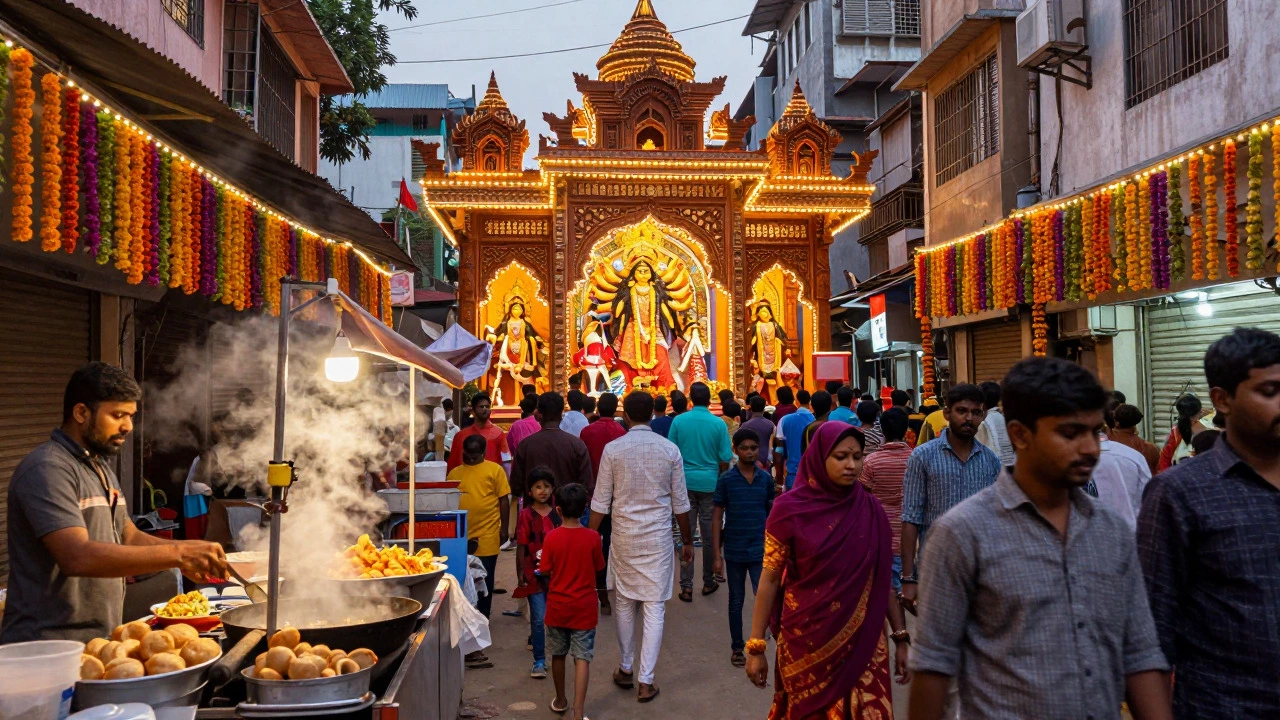
Ask a dozen people from Dhaka or Chittagong what defines their national identity, and you will likely get twelve different answers. Some will point to the green paddy fields, others to the tea gardens of Sylhet, but most will circle back to one specific rhythm: the cycle of festivals that dictates the social heartbeat of the nation. While there is no single "most popular" tradition in a statistical sense, Durga Puja stands out as the most widely celebrated, visually spectacular, and socially unifying event in Bangladesh. It transforms neighborhoods into temporary temples and turns ordinary streets into vibrant cultural hubs.
However, reducing Bangladeshi culture to just one festival misses the point. The true essence lies in how these traditions weave together with daily life, food, and art. From the intricate clay paintings known as Alpana to the grandeur of the New Year celebration, each custom serves a distinct purpose in maintaining social bonds and spiritual connection. This guide breaks down the major traditions that define the Bengali soul, explaining why they matter and how they shape the modern experience in Bangladesh.
The Cultural Heartbeat: Why Festivals Matter
In Bangladesh, a festival is not just a day off; it is a community project. The concept of Sangbad (news) and Samajik Jibon (social life) is deeply tied to seasonal changes. The country’s geography, dominated by river systems and monsoon rains, historically dictated agricultural cycles. Traditions evolved to mark these transitions, ensuring communities stayed synchronized for planting, harvesting, and celebrating surplus.
Today, while urbanization has changed many lifestyles, the core function remains: social cohesion. In a densely populated country like Bangladesh, where public spaces are limited, festivals provide rare opportunities for neighbors to interact beyond transactional relationships. Whether it is sharing sweets during a wedding or collaborating on a temple pandal for Durga Puja, these events reinforce the idea that individual identity is inseparable from community identity.
Durga Puja: The Grandest Celebration
If you are looking for the single most visible tradition in Bangladesh, Durga Puja is the five-day Hindu festival honoring Goddess Durga, marked by elaborate temple constructions, cultural performances, and massive street feasts. Although primarily a Hindu observance, it has become a pan-Bengali cultural phenomenon embraced by Muslims and Christians alike. For five days, usually in October, the country pauses to admire the artistic ingenuity of local communities.
The centerpiece of the festival is the Pandal. These are temporary structures built in neighborhoods, often resembling famous architectural landmarks like the Taj Mahal, space stations, or historic Bengali mansions. Building a Pandal is a collective effort that begins months in advance. Local committees manage budgets, recruit artists, and coordinate logistics. The result is a visual competition that spans cities and villages, fostering a unique form of civic pride.
- Artistic Expression: Pandals feature intricate woodwork, lighting designs, and thematic narratives that reflect current social issues or historical events.
- Cultural Programs: Each evening features live music, dance, and theater performances, keeping the energy high until late night.
- Community Feasting: Streets are filled with stalls selling Kachori, Jhalmuri, and other traditional snacks, creating an open-air dining experience.
Pohela Boishakh: The New Year Renewal
While Durga Puja dominates the autumn calendar, Pohela Boishakh is the Bengali New Year festival celebrated on April 14th, marking the start of the Bengali calendar year with processions, fairs, and cultural pride. This is perhaps the most inclusive tradition in the country, as it transcends religious boundaries entirely. It is a secular celebration of heritage, language, and identity.
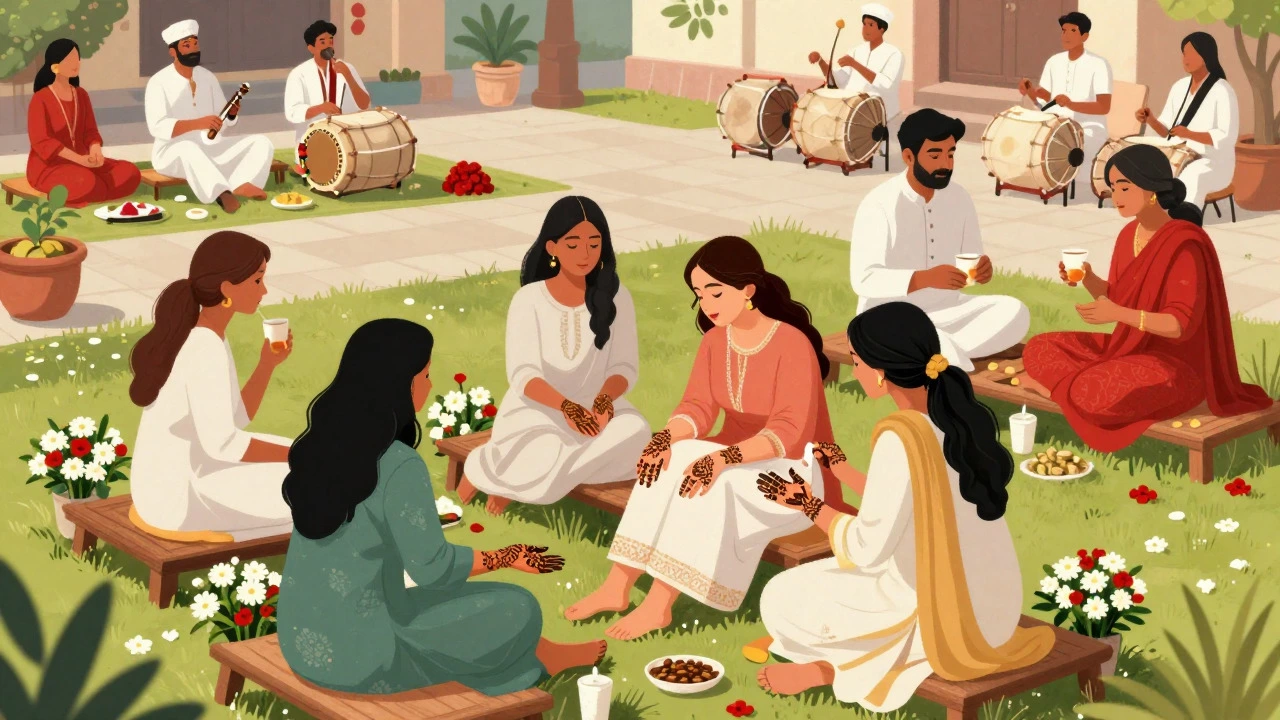
The highlight of Pohela Boishakh is the Mehedi Melo (Henna Fair). Women gather in public squares to apply henna patterns on their hands and feet, accompanied by folk songs and light refreshments. Simultaneously, Boi Mela (Book Fairs) take place in major cities, promoting literacy and literary culture. The air is filled with the scent of fresh flowers and the sound of traditional instruments like the Dhol and Rakhi.
This festival is crucial for understanding modern Bengali nationalism. It was revived in the mid-20th century to assert cultural distinctiveness, emphasizing the shared language and history of the Bengali people regardless of faith. Today, it is a day when everyone wears white and red clothing, symbolizing purity and vitality, and participates in processions that stretch for miles.
Alpana: The Art of Clay Painting
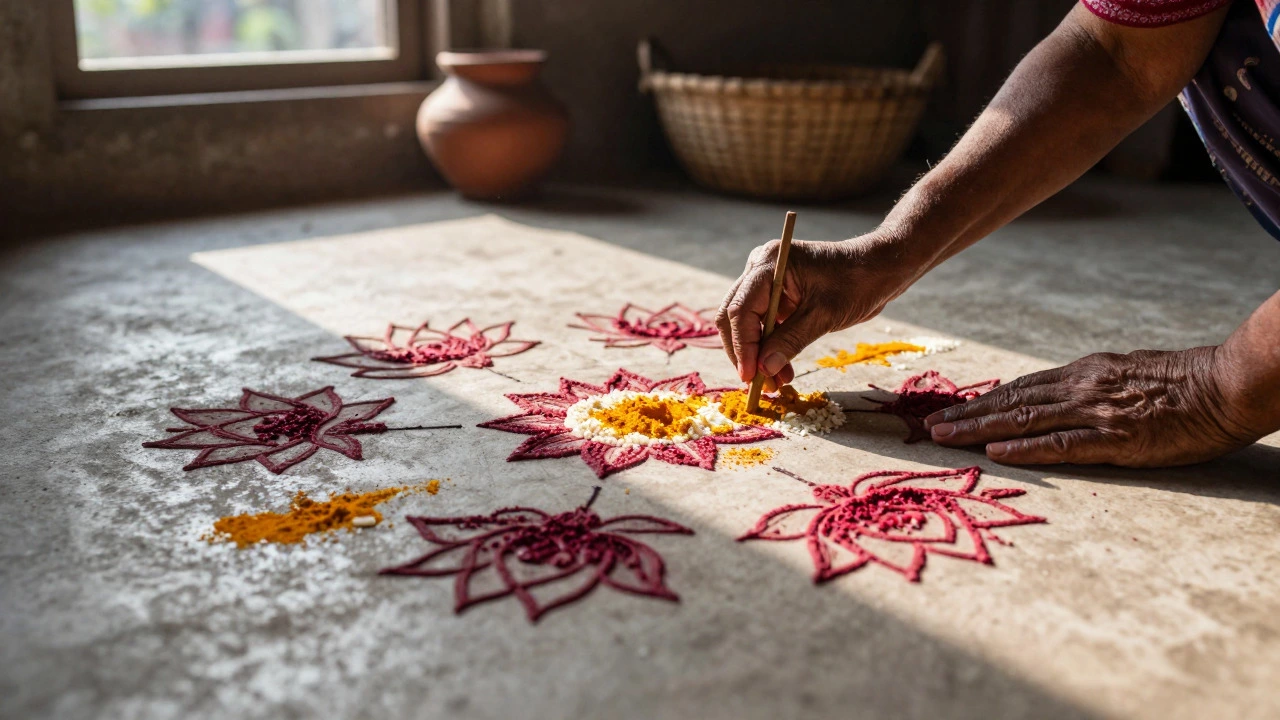
You cannot discuss Bangladeshi traditions without mentioning Alpana is a traditional form of floor painting made with rice paste and natural colors, used to welcome guests and deities during festivals. Found at almost every doorway during significant events, Alpana is more than decoration; it is a functional ritual. The patterns vary by region and occasion, but they always convey wishes for prosperity, health, and good fortune.
Creating Alpana is a skill passed down through generations, typically from mothers to daughters. The artist uses a wooden stick dipped in rice flour mixed with water and sometimes turmeric or beetroot juice for color. The design must be completed before sunrise, as the sun is believed to set the paste and make it durable. Common motifs include lotus flowers, fish (symbolizing abundance), and geometric patterns representing cosmic order.
| Tradition | Timing | Primary Audience | Key Activity | Cultural Significance |
|---|---|---|---|---|
| Durga Puja | October (Autumn) | Hindus & General Public | Pandal building & Worship | Victory of good over evil |
| Pohela Boishakh | April 14 (Spring) | All Communities | Mehedi Melo & Book Fairs | New Year & Cultural Unity |
| Eid-ul-Fitr | Variable (Lunar Calendar) | Muslims | Prayer & Charity | End of Ramadan fasting |
| Alpana | Pre-dawn on Festivals | Households | Floor Painting | Welcome & Blessings |
Food as a Social Ritual
In Bangladesh, eating is rarely a solitary act; it is a communal ritual. The tradition of Bhat-khabar (rice and conversation) underscores the importance of sharing meals. During festivals, specific foods are prepared that have symbolic meanings. For example, during Durga Puja, Luchi (fried bread) and Aloo Dum (potato curry) are staples, while Eid celebrations feature Sheer Khurma (vermicelli pudding) and rich biryanis.
Street food also plays a pivotal role in these traditions. The aroma of frying Phuchka (water drops) or grilling Chicken Tikka is inextricably linked to the festive atmosphere. Vendors set up near temples and fairgrounds, creating informal gathering spots where people of all ages mix freely. This culinary aspect ensures that even those who do not participate in the religious aspects of a festival still engage with the cultural spirit through taste and touch.
Modern Challenges and Adaptations
As Bangladesh urbanizes rapidly, these traditions face new challenges. Traffic congestion during Durga Puja is a well-known issue, prompting local authorities to implement traffic management plans years in advance. Environmental concerns have also led to debates about waste management after pandals are dismantled. However, adaptation is part of the tradition’s resilience. Modern pandals now incorporate LED lighting to reduce fire risks, and digital media allows diaspora Bengalis to participate virtually through live streams and social media campaigns.
Furthermore, the global spread of Bengali culture means that these traditions are no longer confined to Bangladesh. Cities like London, New York, and Toronto host their own versions of Pohela Boishakh and Durga Puja, blending local customs with traditional elements. This diaspora presence helps keep the traditions alive and evolving, proving that cultural identity can travel far beyond its geographic origins.
How to Experience These Traditions
If you plan to visit Bangladesh, timing your trip around these key festivals offers the deepest insight into the local culture. Here is a practical guide for travelers:
- Visit During Durga Puja (October): Stay in Dhaka or Kolkata (just across the border) to see the most elaborate pandals. Wear comfortable shoes, as you will be walking long distances between sites. Respect local customs by dressing modestly when entering temple areas.
- Attend Pohela Boishakh (April 14): Head to Shantiniketan or the main fairgrounds in Dhaka. Participate in the Mehedi Melo if you are comfortable with henna application. Carry cash, as many small vendors do not accept cards.
- Observe Alpana Creation: Ask permission before photographing households early in the morning. Many families appreciate visitors who show genuine interest in the artistry rather than just taking pictures.
Engaging with locals is the best way to understand the nuances. Ask questions about the symbols in the Alpana or the story behind a specific Pandal design. Most Bangladeshis are eager to share their heritage, especially with respectful outsiders who show curiosity.
Is Durga Puja only for Hindus in Bangladesh?
No, while it is a Hindu religious festival, it is widely celebrated by Muslims and Christians in Bangladesh as a cultural event. Many non-Hindus visit pandals, enjoy the food, and watch the cultural programs without participating in the worship rituals.
When is the best time to visit Bangladesh for cultural experiences?
The best times are October for Durga Puja and April for Pohela Boishakh. These periods offer the highest concentration of cultural activities, public holidays, and community engagement. Weather is generally pleasant during these months, making travel comfortable.
What is the significance of Alpana in Bangladeshi homes?
Alpana serves as a welcome mat and a protective barrier. It is believed to invite positive energy and deities into the home. The patterns often represent auspicious symbols like lotuses or fish, wishing the household prosperity and peace.
Can tourists participate in Bengali festivals?
Yes, tourists are welcome to observe and participate in public aspects of festivals like processions, fairs, and food stalls. For religious ceremonies, it is advisable to dress modestly and follow the lead of local guides or hosts to show respect.
How has modern technology affected traditional festivals in Bangladesh?
Technology has enhanced visibility and participation. Live streaming allows the diaspora to watch events remotely, and social media helps organize large-scale community projects. However, some purists argue that digital distractions reduce the immersive nature of traditional gatherings.