India Import & Ban Restriction Checker
Select categories below to see which items are prohibited, restricted, or allowed in India.
▼ Foods & Beverages
▼ Electronics & Gadgets
▼ Luxury & Materials
Important Regulations
Select an item above to view details.
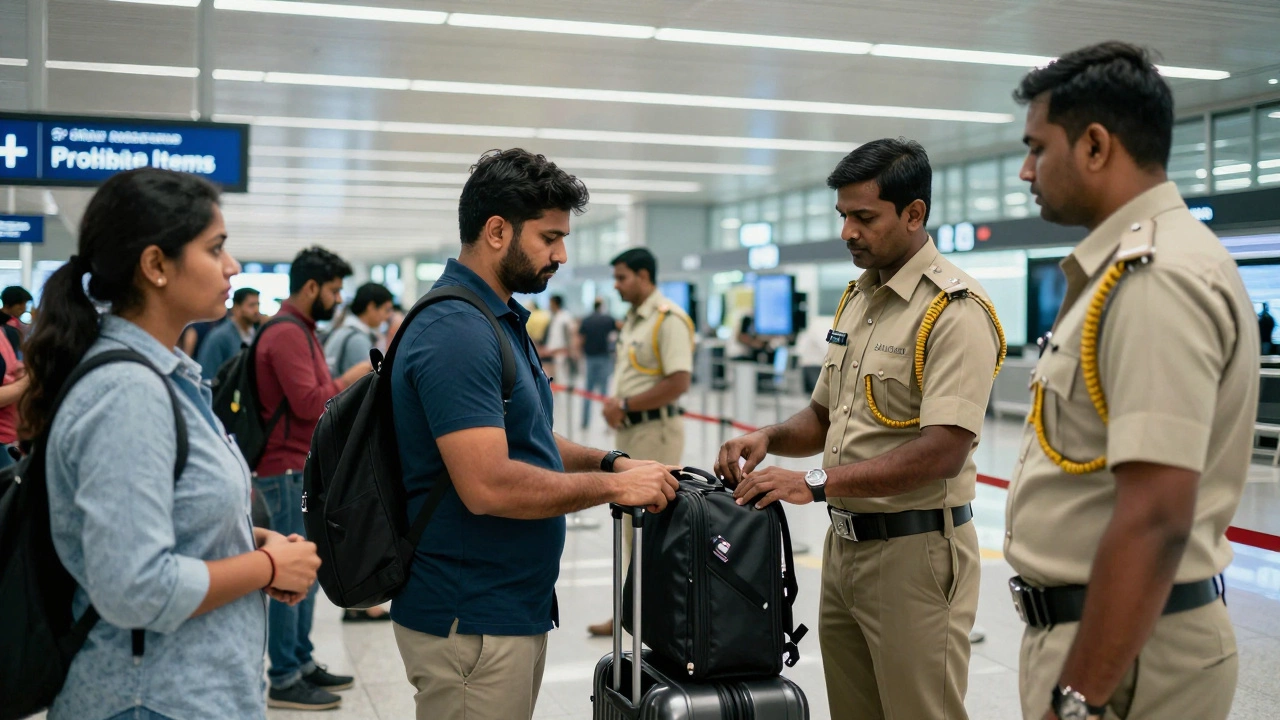
Imagine standing at the border of India, holding a bag full of goods you bought abroad. You might assume that if it’s legal in your home country, it must be legal to bring into India. But that assumption could cost you dearly. India has some of the strictest import and sales regulations in the world, shaped by cultural preservation, environmental protection, and economic self-reliance policies.
The question isn’t just about what you can’t buy in local shops-it’s about what is legally barred from entering or being sold within the country. From certain foods and electronics to specific types of alcohol and even traditional handicrafts made with restricted materials, the list is surprisingly long. Understanding these restrictions helps travelers avoid fines, businesses prevent supply chain disruptions, and collectors stay on the right side of the law.
Why Does India Ban Certain Products?
India doesn’t ban products out of spite. Each restriction serves a purpose rooted in public health, ecological balance, or national security. For example, banning imported beef protects religious sentiments and supports domestic livestock farming. Restricting single-use plastics addresses the massive waste crisis choking cities like Mumbai and Delhi. And limiting luxury car imports shields local manufacturers while reducing carbon footprints.
These rules also reflect India’s commitment to preserving its rich handicrafts heritage. Many traditional crafts rely on natural dyes, hand-spun threads, and artisanal techniques passed down through generations. Allowing mass-produced foreign imitations could undermine these communities. So, while you won’t find cheap plastic knockoffs of Pochampally ikats in reputable stores, you’ll discover authentic pieces crafted by skilled artisans who depend on fair trade practices.
The government updates these regulations regularly based on global trends, scientific research, and diplomatic agreements. What was allowed five years ago may now require special permits-or be completely off-limits. Staying informed means checking official sources before making purchases or shipping items across borders.
Foods That Cannot Be Imported or Sold Freely
If you’re craving familiar snacks from back home, think twice before packing them for your trip to India. The Food Safety and Standards Authority of India (FSSAI) enforces tight controls over food imports to protect consumers from contamination, adulteration, and allergens not common locally.
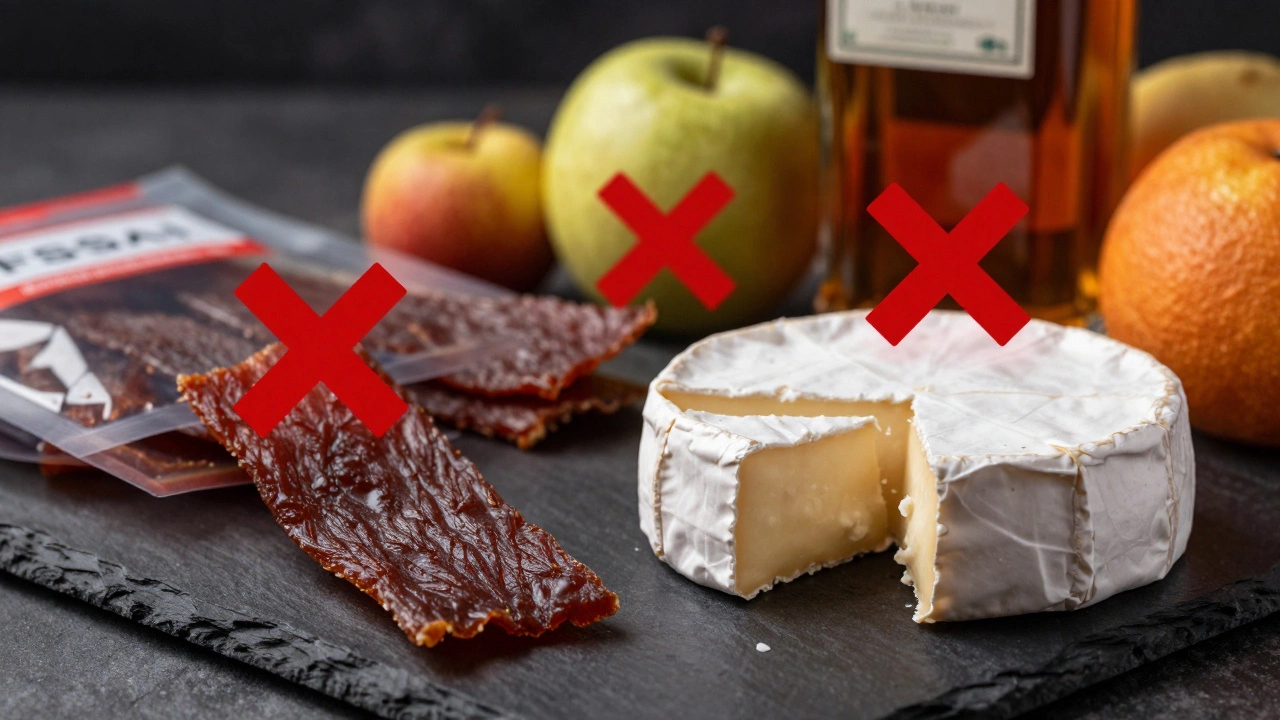
- Beef and beef products: Strictly prohibited due to religious beliefs among Hindus and Vaishnavites. Even packaged jerky or gelatin-containing candies derived from bovine sources are rejected at customs.
- Pork without certification: While pork is consumed in many regions, imported pork requires halal or kosher certifications depending on origin. Uncertified cuts face immediate confiscation.
- Certain cheeses: Soft cheeses like brie, camembert, and feta made from unpasteurized milk are banned unless they meet stringent hygiene standards approved by FSSAI.
- Raw fruits and vegetables: To prevent pest infestations and disease spread, fresh produce from countries with known outbreaks cannot enter without phytosanitary certificates-and even then, only limited varieties are permitted.
- Alcoholic beverages above 40% ABV: Spirits such as whiskey, vodka, and rum exceed India’s duty-free allowance limits. Bringing more than one liter triggers heavy taxes or seizure.
Even seemingly harmless treats like chocolate bars containing nut extracts or honey sourced from non-approved apiaries can raise red flags during inspections. Always declare edible items honestly; lying leads to penalties far worse than paying duties upfront.
Electronics and Gadgets Under Scrutiny
You’ve probably heard stories of people getting stuck at airports because their laptops were flagged. It’s not paranoia-it’s policy. India imposes rigorous testing requirements on electronic devices to ensure compatibility with voltage systems, safety norms, and spectrum allocations.
| Product Type | Restriction Reason | Allowed Conditions |
|---|---|---|
| Drones | Airspace security concerns | Requires DGCA license + registration |
| Smartwatches | Spectrum interference risks | Must have WPC approval certificate |
| Mobile Phones | Counterfeit prevention & tax evasion | BIS mark mandatory since July 2023 |
| Gaming Consoles | Content regulation issues | No outright ban but subject to content review |
| E-cigarettes | Public health hazard | Completely banned under Cigarettes Act amendment |
Note how e-cigarettes stand alone here-they’re totally outlawed despite being popular elsewhere. This decision stems from fears of youth addiction and lack of long-term health data. Similarly, drones need explicit permission because unauthorized flights near airports pose serious threats. If you plan to use any tech gadget extensively during your stay, verify its compliance status beforehand via Bureau of Indian Standards (BIS) databases.
Luxury Items Facing Heavy Tariffs or Bans
India loves luxury-but only when it aligns with Make In India goals. High-end cars, designer watches, and premium jewelry often come with astronomical import duties designed to discourage overseas shopping sprees. Some categories go beyond taxation altogether.
Take firearms, for instance. Private ownership exists under strict licensing frameworks governed by the Arms Act of 1959. However, importing weapons-even antique ones-for personal collection demands clearance from multiple agencies including Ministry of Home Affairs and State Police Departments. Failure to comply results in criminal charges rather than mere fines.
Similarly, ivory artifacts remain strictly forbidden regardless of age or provenance. CITES conventions prohibit international trade in elephant tusks to combat poaching. Yet paradoxically, pre-1976 carved ivory pieces held domestically can sometimes transfer hands legally under documented inheritance records-a loophole exploited occasionally but heavily monitored today.
Traditional Handicrafts: Protected vs Prohibited Materials
Here’s where things get nuanced. Indian handicrafts represent centuries-old traditions celebrated globally. But not all materials used historically are still permissible. Consider sandalwood carvings from Karnataka or Mysore-beautiful yes, but illegally harvested specimens violate Forest Conservation Acts. Only certified sustainable harvests qualify for export licenses.
Another case involves silk production. Tussar silk comes from wild silkworms feeding on forest leaves, whereas Mulberry silk relies on domesticated worms raised artificially. Both yield exquisite fabrics, yet exporting raw tussar cocoons faces tighter scrutiny compared to processed textiles. Why? Because protecting native ecosystems takes precedence over commercial gains.
Artisans adapting to modern constraints innovate creatively. Instead of using endangered woods, they turn to reclaimed teak or bamboo alternatives. Rather than relying solely on animal-derived dyes, synthetic pigments mimic traditional hues safely. These shifts preserve authenticity while meeting regulatory demands-an inspiring model worth emulating worldwide.

How to Navigate Import Rules Safely
So what should you do if you genuinely need something unavailable locally? Start early. Research whether your desired item falls under restricted lists published by Directorate General of Foreign Trade (DGFT). Apply for necessary permits well ahead of travel dates. Keep documentation handy: invoices, certificates, declarations-all printed clearly.
When in doubt, consult professional freight forwarders experienced in cross-border logistics. They know which ports handle sensitive cargo efficiently and which airlines accept hazardous materials responsibly. Their expertise saves time, money, and stress.
Remember too that enforcement varies regionally. Border checkpoints near Nepal might enforce looser checks than those facing Bangladesh or Myanmar. Don’t gamble on inconsistency; assume highest standards everywhere.
Alternatives Worth Exploring
Just because something isn’t available doesn’t mean substitutes don’t exist. Often, local versions surpass originals in quality and uniqueness. Swap imported chocolates for Amul Kool or Haldiram’s namkeen mixes. Replace generic skincare lines with Ayurvedic brands leveraging turmeric, neem, and sandalwood naturally grown nearby.
For fashion enthusiasts, explore Jaipur block prints, Chanderi weaves, or Kalamkari paintings instead of fast-fashion imports. Not only will you support livelihoods directly, but you’ll also acquire conversation starters unlike anything found in mall racks.
Technology lovers rejoice! Indian startups now manufacture affordable smartphones, wearables, and smart home devices rivaling global counterparts. Brands like Xiaomi, Realme, and OnePlus assemble units locally ensuring BIS compliance automatically.
Can I bring medicine into India?
Yes, provided you carry prescription copies, original packaging labels, and quantities reasonable for personal consumption. Narcotics, psychotropics, and unapproved drugs face automatic rejection.
Are there restrictions on sending gifts internationally?
Gift parcels exceeding ₹50,000 value attract customs duties regardless of sender intent. Additionally, prohibited items listed earlier apply equally to mailed packages.
Why are e-cigarettes banned in India?
Due to rising teenage usage rates and insufficient clinical evidence regarding long-term effects, authorities opted for complete prohibition under amended tobacco legislation effective April 2019.
Is buying second-hand vehicles illegal?
Importing used cars older than three years violates RTO guidelines aimed at curbing pollution levels. Domestic resale markets operate freely though requiring valid RC transfers.
Do handicraft exporters need special licenses?
Exporters dealing in regulated materials like sandalwood, ivory replicas, or protected bird feathers must obtain IGST exemption letters plus material source validations from relevant ministries.