Indian Wedding Event Planner & Etiquette Guide
Select an event on the left to see your personalized guide.
Walking into an Indian wedding is a multi-day cultural celebration that blends ancient rituals with modern festivities, often involving hundreds of guests and elaborate ceremonies. If you’ve been invited to one, you might be staring at your invitation wondering where to start. It isn’t just a ceremony; it’s a marathon of colors, music, food, and complex social codes. For someone outside the culture, the sheer scale can be overwhelming. You aren’t just attending a marriage; you are entering a world where family hierarchy, religious symbolism, and communal joy collide.
The good news? Indians love having guests. They want you to feel included, even if you don’t know every step of the ritual. This guide will walk you through what actually happens, what to wear, what to eat, and how to navigate the social landscape without feeling lost.
The Timeline: It’s Not Just One Day
Unlike Western weddings that typically happen on a single Saturday, Indian wedding celebrations usually span three to five days of pre-wedding events, the main ceremony, and post-wedding gatherings. Your invitation might look like a calendar rather than a card. Here is the typical flow:
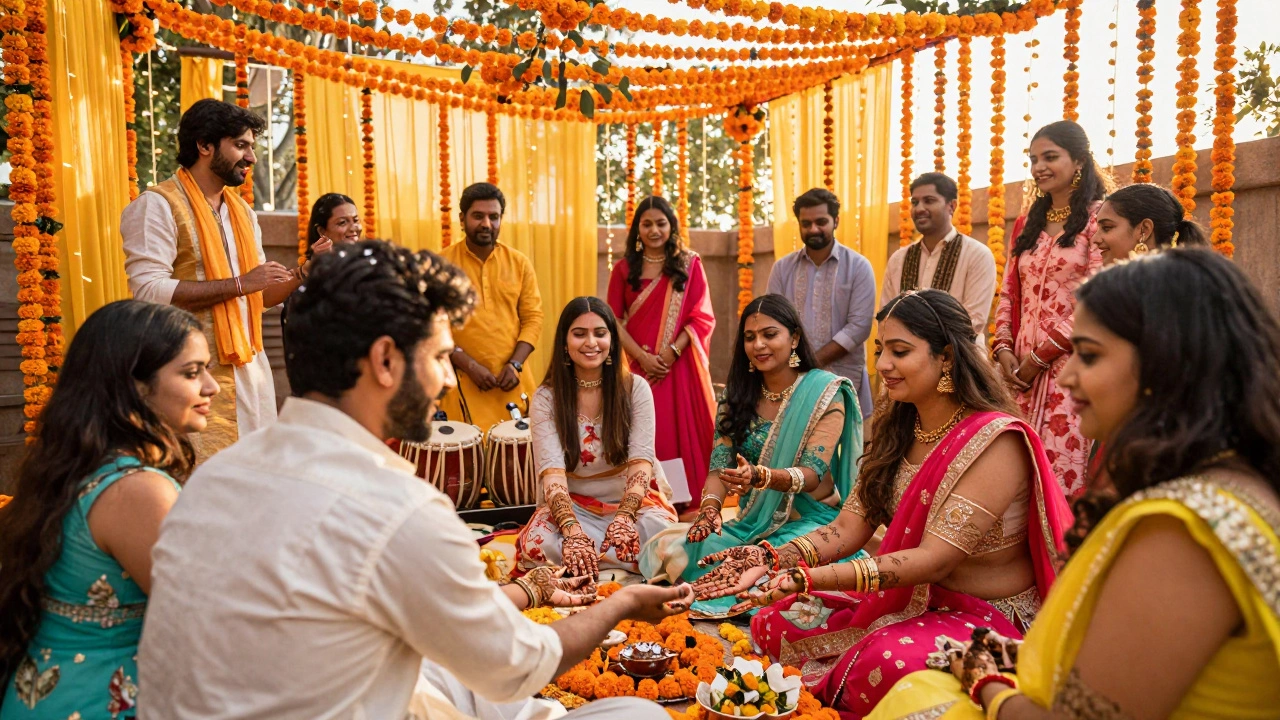
- Mehndi (Henna Ceremony): Usually held a day or two before the wedding. The bride gets intricate henna designs on her hands and feet. It’s a casual, musical event. As a guest, you might get a simple henna design too-it’s friendly and expected.
- Sangeet & Haldi: Sangeet is a night of choreographed dancing by both families. Think of it as a high-energy party with Bollywood beats. Haldi is a morning ritual where turmeric paste is applied to the couple for glow and purification. It’s messy, yellow, and joyful. Wear old clothes here!
- The Main Ceremony (Vivah): The actual marriage. This involves the exchange of vows around a sacred fire. This is the formal part. Dress code is strict, and punctuality matters more here than at the parties.
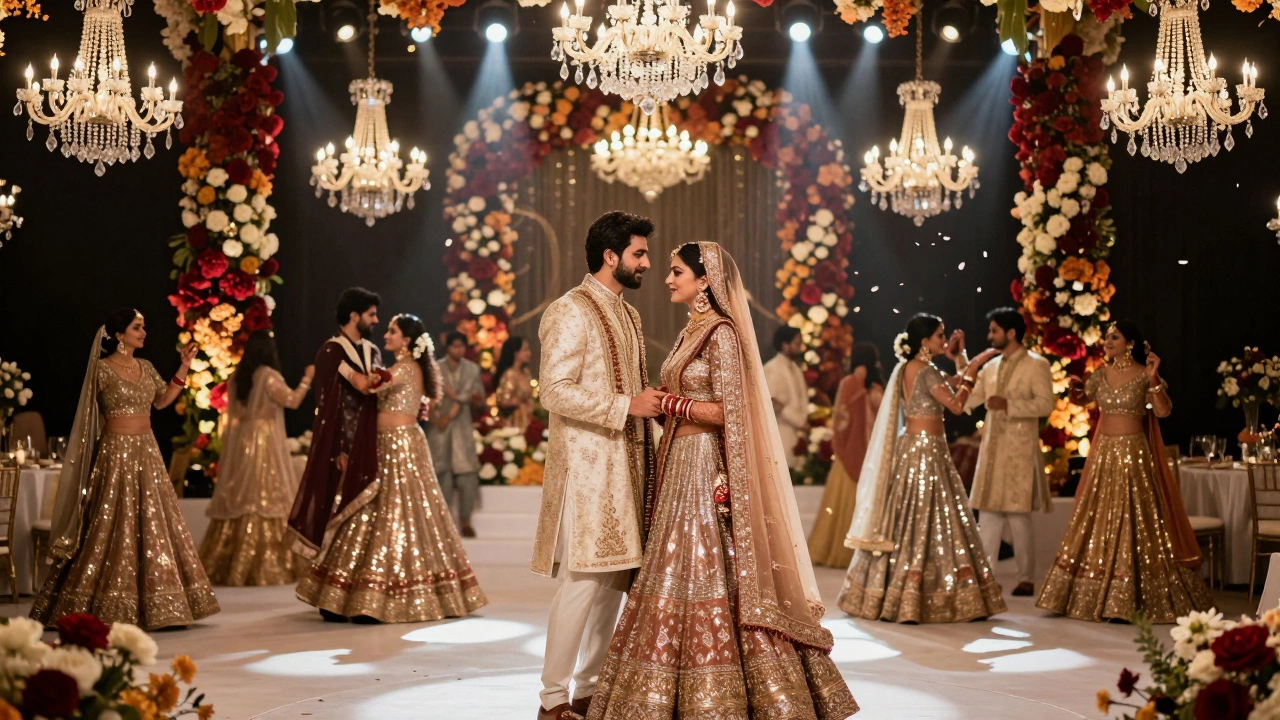
- Reception: The grand finale. Big venue, fancy outfits, heavy dining, and dancing. This is where everyone shows off their best attire.
You don’t need to attend everything, but knowing which event is which helps you plan your outfit and energy levels. If you’re traveling from abroad, check if the Mehndi or Sangeet is mandatory. Often, the Reception and the Main Ceremony are the non-negotiables.
Dress Code: Color, Fabric, and Modesty
Fashion is huge in Indian weddings. Guests are expected to dress up, but there are specific rules to avoid faux pas. The golden rule is: Do not outshine the bride or groom.
| Event | Recommended Attire | Colors to Avoid |
|---|---|---|
| Mehndi / Sangeet | Bright, pastel, or floral prints. Indo-western fusion works well. | None (be colorful!) |
| Haldi | Cotton kurtas or light dresses. Must be old/washable. | White (stains show easily) |
| Main Ceremony | Saree, Lehenga, Salwar Kameez for women. Sherwani or Suit for men. | Red (Bride’s color), White (Mourning in some regions) |
| Reception | Glamorous evening wear. Sequins, silk, heavy embroidery. | Red (unless it’s a deep maroon/burgundy) |
If you aren’t comfortable in traditional Indian clothing, you can wear a formal western suit or an elegant cocktail dress, especially for the reception. However, wearing something with Indian elements-like a dupatta (scarf) over a gown or a kurta with trousers-shows respect for the culture. Avoid black unless it’s heavily embellished, as plain black is sometimes associated with mourning. Also, keep shoulders covered during the main religious ceremony. Carry a shawl or wrap just in case.
Food Etiquette: Hands, Utensils, and Spice Levels
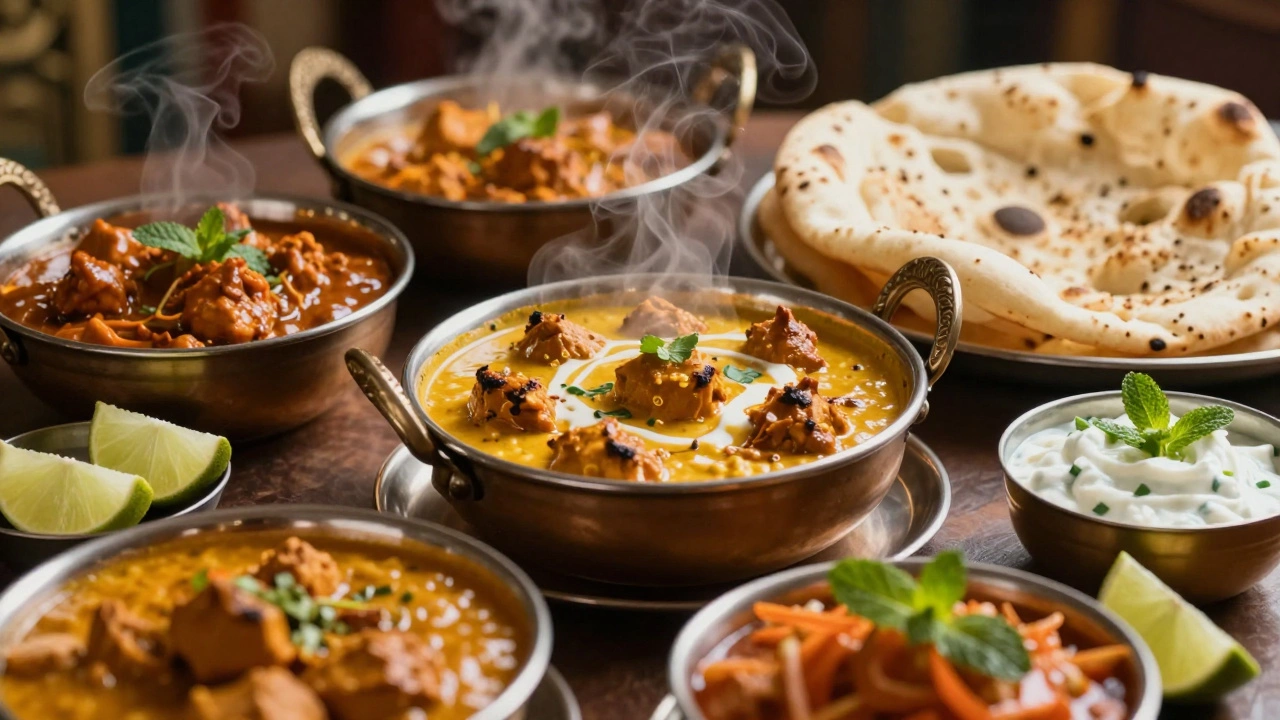
Indian weddings are legendary for their food. Expect a buffet-style spread that lasts hours. But eating comes with its own set of unwritten rules.
Right Hand Rule: In many traditional settings, especially if you’re seated on the floor or eating thali-style (food served on a plate with multiple small bowls), you may be encouraged to eat with your right hand. The left hand is considered unclean. If you’re uncomfortable, use the provided forks and spoons-most modern venues offer both. Never pass food from your mouth to the plate or back again; take only what you can finish.
Spice Tolerance: Indian food varies wildly in heat. South Indian dishes tend to be spicier and tangier, while North Indian cuisine offers creamy curries and rich breads. Don’t be afraid to ask servers about spice levels. Keep water or lassi (yogurt drink) nearby to cool down your palate. Lassi is also a great way to digest heavy meals.
Dietary Restrictions: Most Indian weddings cater to vegetarians and non-vegetarians separately. Clearly labeled sections help you navigate. If you have allergies, speak to the catering manager early. Ghee (clarified butter) is used extensively, so dairy-free options might be limited unless requested in advance.
Gift Giving: Cash, Cards, and Registry
In India, gifting cash is standard and appreciated. It helps the newlyweds fund their honeymoon or new home. You’ll usually find a gift box or a designated person collecting envelopes at the entrance. Write your name clearly on the envelope.
If you prefer physical gifts, check if the couple has a registry. Many modern couples list items they need on websites. Alternatively, jewelry, silverware, or decorative items are safe bets. Avoid giving clocks, knives, or anything sharp, as these symbolize cutting ties or bad luck in some superstitions.
Timing matters too. Gifts are typically given upon arrival or during the reception. If you missed the wedding but want to send something later, a card with a check or a mailed gift is perfectly acceptable.
Navigating Social Dynamics: Family and Photography
Indian weddings are deeply family-centric. You’ll notice extended relatives-from grandparents to cousins-interacting closely. As a guest, you might be pulled into group photos constantly. Smile, pose, and enjoy it. It’s part of the fun.
Photography Rules: During the main religious ceremony, photography might be restricted or done only by official photographers. Respect this. Don’t flash cameras during solemn moments. After the ceremony, feel free to snap away. Instagram-worthy shots are everywhere.
Meeting the Couple: The bride and groom will be busy greeting hundreds of people. Don’t expect long conversations. A quick hug, congratulations, and well wishes are sufficient. They’ll appreciate your presence more than prolonged chats.
Common Mistakes to Avoid
To ensure you blend in smoothly, steer clear of these common pitfalls:
- Being Late: Indian time exists for parties, but not for ceremonies. Arrive 15 minutes early for the main event.
- Ignoring Elders: Show respect to older guests. Stand when they enter, greet them first, and listen attentively.
- Overdrinking: Alcohol is served at receptions, but excessive drinking is frowned upon. Keep it moderate and classy.
- Wearing Casual Footwear: Remove shoes before entering temple-like areas or certain halls. Wear slip-on shoes for convenience.
Remember, mistakes happen. Indians are forgiving and hospitable. If you accidentally break a rule, apologize sincerely and move on. Your enthusiasm and respect will shine through any minor blunder.
Can I wear jeans to an Indian wedding?
Generally, no. Jeans are considered too casual for most Indian wedding events, except perhaps a very informal backyard Mehndi. Opt for dresses, suits, or traditional Indian wear instead. If you must wear denim, pair it with a fancy top and accessories, but be prepared for side-glances.
Is it okay to bring a plus-one?
Check your invitation carefully. If it says "and Guest," you can bring someone. If it lists only your name, assume no. Indian weddings are expensive and tightly planned, so hosts rarely accommodate unplanned guests. Ask politely if unsure.
What should I do if I don’t know anyone?
You’ll likely meet other guests who are also acquaintances of the couple. Introduce yourself warmly. Indians are generally talkative and welcoming. Joining dance floors or food lines are easy ways to strike up conversations.
Are Indian weddings vegetarian-only?
No, most include both vegetarian and non-vegetarian options. However, some Hindu temples or strictly traditional ceremonies may serve only vegetarian food during the ritual itself. The reception usually has meat dishes like chicken tikka or lamb curry.
How much cash should I give as a gift?
There’s no fixed amount, but $100-$200 per person is a common range for close friends/family, depending on your budget and relationship. Consider the cost of your ticket/travel if applicable. Odd numbers like $101 are sometimes preferred in Hindu tradition as they symbolize continuity.