India Cultural Tourism Destination Finder
Select your travel interests to discover the best cultural destinations in India based on heritage, arts, spirituality, and more.
Imagine standing in the shadow of a stone elephant that has watched empires rise and fall for centuries. You are not just looking at a statue; you are stepping into a living story. This is the heart of cultural tourism, a travel style focused on experiencing the heritage, arts, and daily life of a destination rather than just sunbathing on a beach. In India, this isn't a niche hobby-it's the backbone of the country's identity. But with so much history packed into one subcontinent, where do you actually go?
If you ask locals or check the visitor logs at major monuments, the answer isn't random. Certain cities and states pull in millions because they offer something you can't find anywhere else: an unbroken thread connecting the ancient past to the vibrant present. From the marble palaces of the north to the temple gopurams of the south, here is where cultural tourism is most popular in India, and why these places hold such a magnetic grip on travelers worldwide.
The Golden Triangle: The Gateway to Imperial History
When people think of India’s culture, their minds often jump to the North. Specifically, the Golden Triangle connects Delhi, Agra, and Jaipur, forming the most visited circuit in the country. It is popular for a reason: it offers a dense concentration of Mughal and Rajput architecture that tells the story of power, art, and romance.
In Delhi, the capital city, you walk through layers of time. One minute you are in Old Delhi, navigating the narrow lanes of Chandni Chowk where spices hang from wooden stalls and the call to prayer echoes from Jama Masjid. The next, you are in New Delhi, admiring the colonial grandeur of India Gate and the Red Fort. The contrast is jarring but beautiful. It shows how India absorbs new influences without losing its soul.
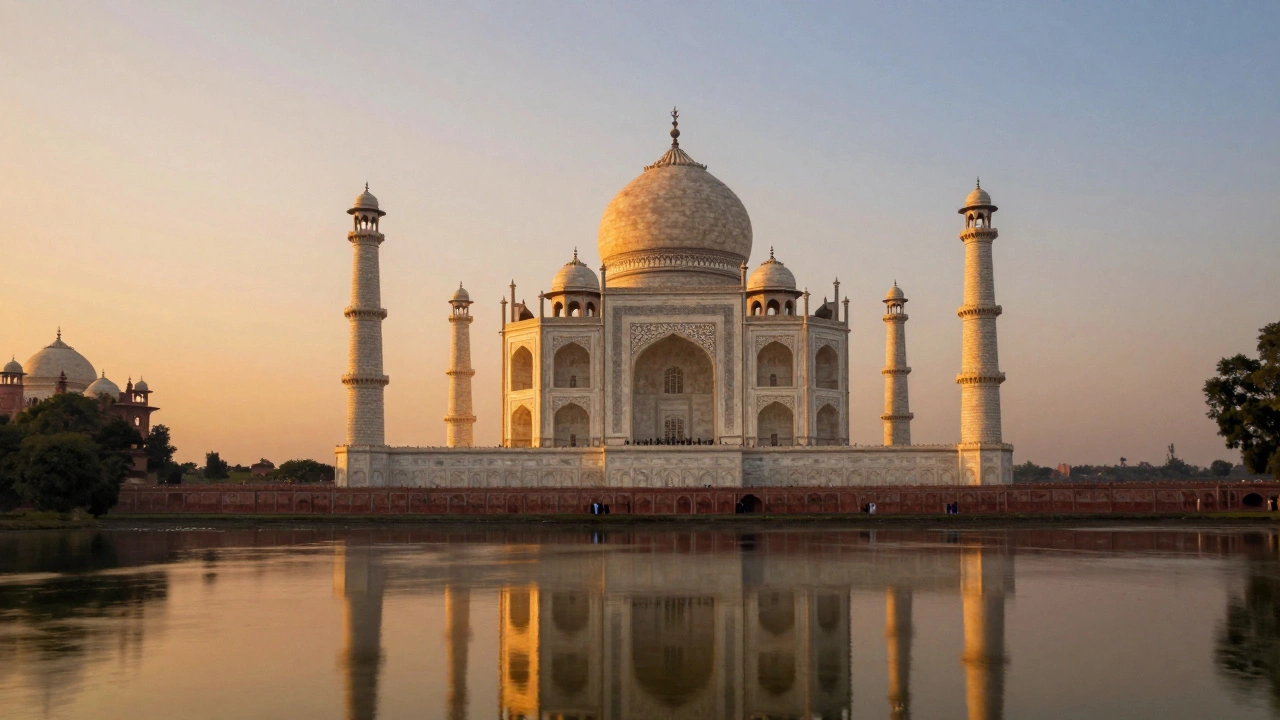
A short train ride away lies Agra. While the Taj Mahal is the obvious draw, the real cultural depth comes from Agra Fort. Walking through its red sandstone walls, you see the intricate white marble screens and the halls where emperors once held court. It’s not just a photo op; it’s a lesson in architectural evolution. Then there is Jaipur, the Pink City. Here, the culture is alive in the streets. Hawa Mahal isn’t just a facade; it represents the historical practice of purdah, allowing royal women to observe street festivals unseen. Today, those same streets buzz with artisans making block-printed textiles and silver jewelry, keeping traditional crafts alive.
Kerala: The Living Museum of South India
Move far south, and the vibe changes completely. Kerala is often called "God's Own Country," but for cultural tourists, it is a sanctuary of classical arts and Ayurvedic traditions. Unlike the imperial grandeur of the north, Kerala’s culture is rooted in nature, community, and spirituality.
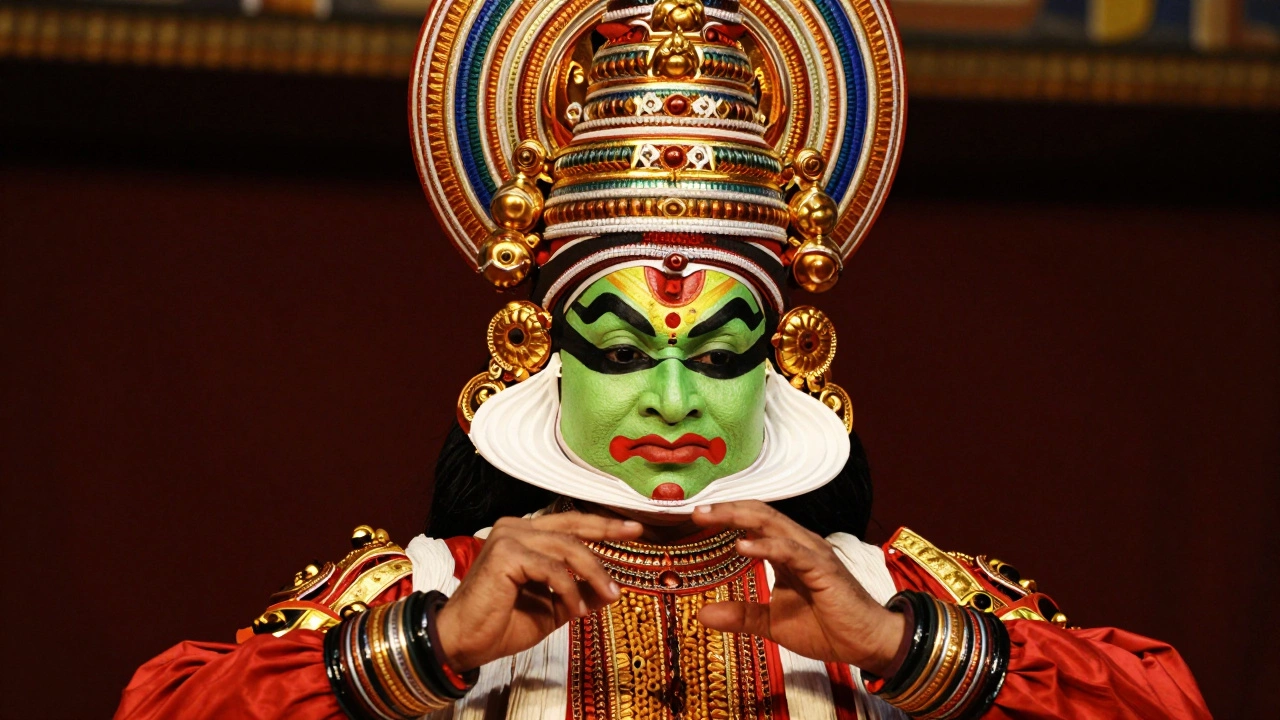
The highlight here is Kathakali, a dance-drama form that requires years of training. Watching a performer apply makeup for hours before taking the stage is part of the experience. The stories come from Hindu epics like the Ramayana and Mahabharata, told through exaggerated facial expressions and hand gestures. You don’t need to speak Malayalam to understand the emotion. Then there is Theyyam, a ritualistic performance in North Kerala where dancers embody deities. It’s intense, colorful, and deeply spiritual. Locals believe the dancer becomes the god during the performance. For visitors, it’s a window into a belief system that blends animism and Hinduism in a way you won’t find elsewhere.
Kerala also leads in Ayurveda tourism. This isn’t just about spa treatments. It’s about understanding a medical system that is thousands of years old. Many travelers visit Kerala specifically to undergo Panchakarma, a detoxification process that involves diet, massage, and herbal medicines. It’s a holistic approach to health that ties physical well-being to mental balance, reflecting the broader Indian philosophy of harmony.
Rajasthan: The Land of Kings and Festivals
If Kerala is about subtlety and spirituality, Rajasthan is about spectacle. This state in the northwest is famous for its forts, palaces, and vibrant festivals. The landscape itself-arid plains dotted with blue-painted towns-sets the stage for a culture built on resilience and hospitality.
Udaipur is the pearl of Rajasthan. Known as the City of Lakes, it boasts the City Palace, which overlooks Lake Pichola. But the real magic happens during the Mewar Festival, celebrated in spring. The city lights up, and traditional music fills the air. In Jaisalmer, the desert comes alive with the Desert Festival. Camel races, folk dances like Ghoomar, and turban-tying contests showcase the nomadic heritage of the region. These aren’t staged shows for tourists; they are genuine celebrations of local identity.
Rajasthan is also a hub for handicrafts. Blue pottery in Jaipur, bandhani (tie-dye) fabrics in Jodhpur, and miniature paintings in Udaipur are world-renowned. Buying these items directly from artisan clusters supports local economies and preserves skills passed down through generations. When you buy a piece of blue pottery, you’re not just getting a vase; you’re supporting a family that has been firing clay at high temperatures for centuries.
Tamil Nadu: The Temple State
No discussion of cultural tourism in India is complete without mentioning Tamil Nadu. This southern state is home to some of the largest and oldest temple complexes in the world. For many Indians, Tamil Nadu is the heartland of Dravidian culture, characterized by its distinct language, literature, and architecture.
Madurai is one of the oldest continuously inhabited cities in the world. The Meenakshi Amman Temple here is a marvel. Its towering gopurams (gateways) are covered in thousands of colorful sculptures depicting gods, demons, and everyday scenes. Walking through the temple complex feels like entering a different dimension. The air is thick with incense, and the sound of bells never stops. During festivals like Thai Pusam, the temple hosts processions that last for days, involving elephants, floats, and massive crowds.
Another key destination is Chennai, the capital. Every December, the city transforms into a hub for Bharatanatyam, a classical dance form. The Margazhi Season sees hundreds of concerts in temples and auditoriums. Musicians and dancers gather from across the country to perform ragas and talas that have been preserved for centuries. It’s a rare opportunity to witness high art in its purest form, performed by masters who dedicate their lives to perfection.
Varanasi: The Eternal City
For spiritual seekers, Varanasi (or Kashi) is the ultimate destination. Located on the banks of the Ganges River, it is considered one of the holiest cities in Hinduism. Believers say that dying in Varanasi and being cremated on its ghats (steps leading to the river) liberates the soul from the cycle of rebirth.
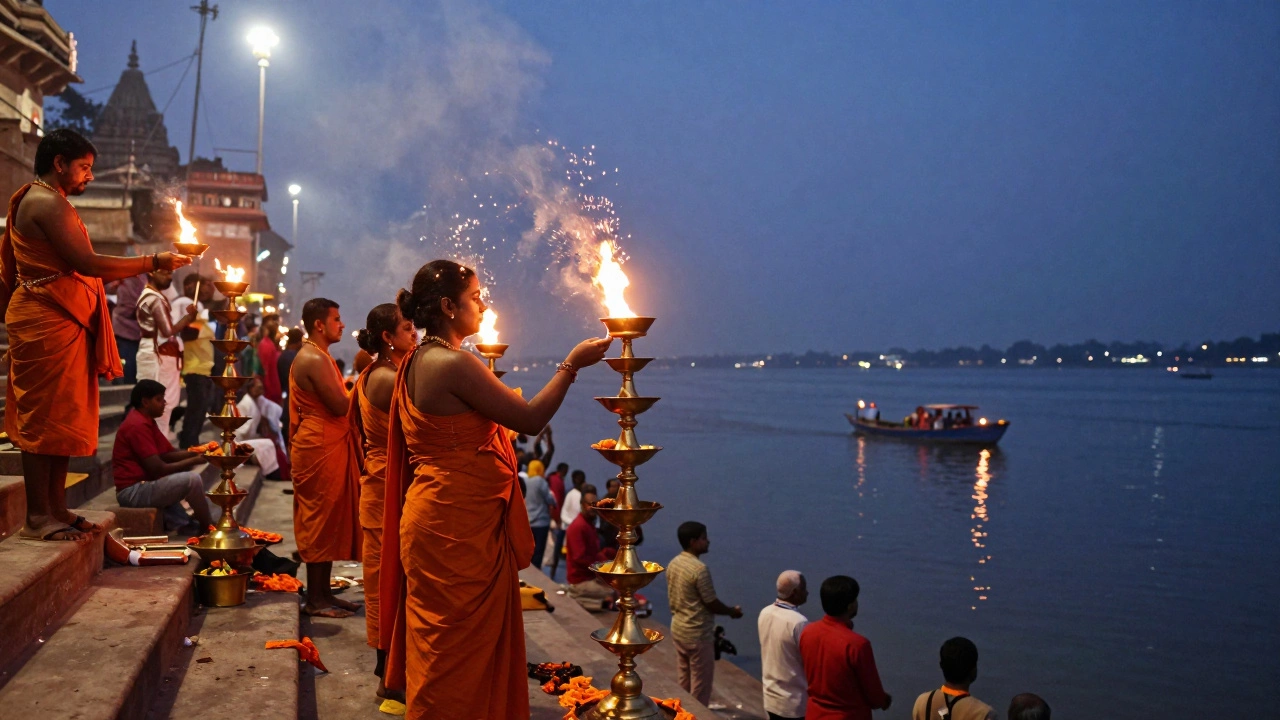
The energy here is palpable. Early morning, you can join the Ganga Aarti, a ritual where priests wave lamps and chant mantras to honor the river goddess. Thousands gather on the steps, united in devotion. Later, you might take a boat ride to see the cremation ghats, where life and death coexist openly. It’s confronting, but it teaches a profound lesson about impermanence. Varanasi is also a center for learning. Ancient universities like Banaras Hindu University attract students from around the world to study Sanskrit, yoga, and philosophy. The city’s narrow alleys hide small temples and shrines dedicated to Shiva, reminding visitors that spirituality is woven into every corner of daily life.
Why These Places Stand Out
So, what makes these locations more popular than others? It’s not just about having old buildings. It’s about authenticity. Travelers today want experiences that feel real. They want to taste the food, hear the music, and talk to the people. These destinations offer that immersion.
| Destination | Primary Cultural Focus | Key Attraction | Best Time to Visit |
|---|---|---|---|
| Golden Triangle (Delhi/Agra/Jaipur) | Mughal & Rajput Architecture | Taj Mahal, Hawa Mahal | October to March |
| Kerala | Classical Arts & Ayurveda | Kathakali, Backwaters | September to February |
| Rajasthan | Festivals & Handicrafts | Desert Festival, Forts | November to February |
| Tamil Nadu | Temples & Classical Music | Meenakshi Temple, Bharatanatyam | December to January |
| Varanasi | Spirituality & Rituals | Ganga Aarti, Ghats | October to March |
Infrastructure also plays a role. These places have developed good connectivity, hotels, and tour operators who understand cultural sensitivity. You can find guides who explain the symbolism behind a sculpture or the history behind a festival. This makes the experience accessible even if you don’t know the language or customs.
Practical Tips for Cultural Travelers
To make the most of your trip, keep a few things in mind. First, dress modestly. When visiting temples or religious sites, cover your shoulders and knees. Remove your shoes before entering sacred spaces. This shows respect and helps you blend in.
Second, engage with locals. Ask questions. Buy small items from street vendors. Eat at local eateries. Food is a huge part of culture. Try dosas in Chennai, kebabs in Delhi, and dal baati churma in Rajasthan. Each dish tells a story about the region’s geography and history.
Third, be patient. Things move slower in India. Traffic jams, unexpected closures, and long queues are part of the experience. Embrace the chaos. It’s not inefficiency; it’s a different rhythm of life. Finally, support sustainable tourism. Avoid buying souvenirs made from endangered materials. Choose homestays or eco-friendly hotels when possible. Your choices impact the communities you visit.
Is cultural tourism safe in India?
Yes, cultural tourism is generally safe in India, especially in popular destinations like the Golden Triangle, Kerala, and Rajasthan. Millions of tourists visit annually without issues. However, standard precautions apply: be aware of your surroundings, avoid isolated areas at night, and keep valuables secure. Hiring reputable guides and staying in well-reviewed accommodations adds an extra layer of safety.
What is the best time to visit India for cultural experiences?
The winter months, from October to March, are ideal for cultural tourism. The weather is cool and pleasant, making it comfortable to explore outdoor monuments and attend festivals. Summer (April-June) can be extremely hot, especially in the north, while monsoon season (July-September) brings heavy rains that may disrupt travel plans. However, if you want to experience specific festivals like Onam in Kerala or Diwali nationwide, plan accordingly regardless of the season.
Do I need a visa for cultural tourism in India?
Most foreign nationals require a visa to enter India. The e-Visa facility is available for citizens of many countries, including the US, UK, Canada, and Australia. You can apply online before traveling. Ensure your passport is valid for at least six months beyond your date of entry. Check the official Indian government website for the latest visa requirements and processing times.
Can I participate in religious rituals as a tourist?
In many cases, yes. Tourists are welcome to observe and sometimes participate in public rituals like Ganga Aarti in Varanasi or temple festivals in Tamil Nadu. However, inner sanctums of certain temples may be restricted to Hindus only. Always follow local guidelines and show respect. If unsure, ask a guide or priest. Participation should be done with humility and an open mind, not as a performance.
How do I find authentic cultural experiences versus tourist traps?
Look for experiences recommended by locals or trusted cultural organizations. Avoid overly commercialized shows that promise "authenticity" but feel staged. Visit smaller towns and villages near major cities for a more genuine glimpse into daily life. Engage with artisans directly rather than buying mass-produced souvenirs. Reading recent traveler reviews and checking ratings on platforms like TripAdvisor can also help identify authentic providers.