Punjab Economic Comparison Calculator
Compare the estimated GDP per capita of Indian Punjab and Pakistani Punjab based on recent economic data.
When you hear the word "Punjab", what comes to mind? For many, it’s the golden wheat fields swaying in the wind, the vibrant sound of the dhol drum, or perhaps the rich aroma of butter chicken. But there is a twist to this story. The land known as Punjab was split in two during the partition of 1947. Today, one half belongs to India, and the other to Pakistan. This raises a question that sparks debate among economists, historians, and travelers alike: which Punjab is richer?
The answer isn’t as simple as pointing to a bank account balance. Wealth can be measured in dollars, but it can also be measured in food security, infrastructure, and cultural vitality. To understand who holds the crown, we need to look beyond the headlines and dig into the data, the history, and the daily lives of the people living on both sides of the border.
The Economic Divide: Numbers Don't Lie
If we look strictly at economic output, the difference between the two regions is stark. The Punjab region in India has seen rapid industrialization and urbanization over the last few decades. Cities like Chandigarh (which serves as the capital for both Indian Punjab and Haryana) have become hubs for technology, education, and healthcare. The Gross Domestic Product (GDP) per capita in Indian Punjab is significantly higher than its counterpart across the border.
In contrast, Pakistani Punjab is larger in area and population. It contains major cities like Lahore, Faisalabad, and Rawalpindi. While it contributes heavily to Pakistan’s national economy-accounting for about half of the country’s GDP-it struggles with lower per capita income compared to the Indian side. The disparity is largely due to differences in industrial policy, foreign investment, and infrastructure development since the 1990s.
| Metric | Indian Punjab | Pakistani Punjab |
|---|---|---|
| GDP Per Capita (Approx.) | Higher (~$5,000+) | Lower (~$1,500-2,000) |
| Main Industries | Agriculture, IT, Manufacturing | Textiles, Agriculture, Light Industry |
| Infrastructure Quality | High (Roads, Internet) | Moderate (Developing) |
| Human Development Index | Moderate-High | Moderate |
Agriculture: The Heartbeat of Both Punjabs
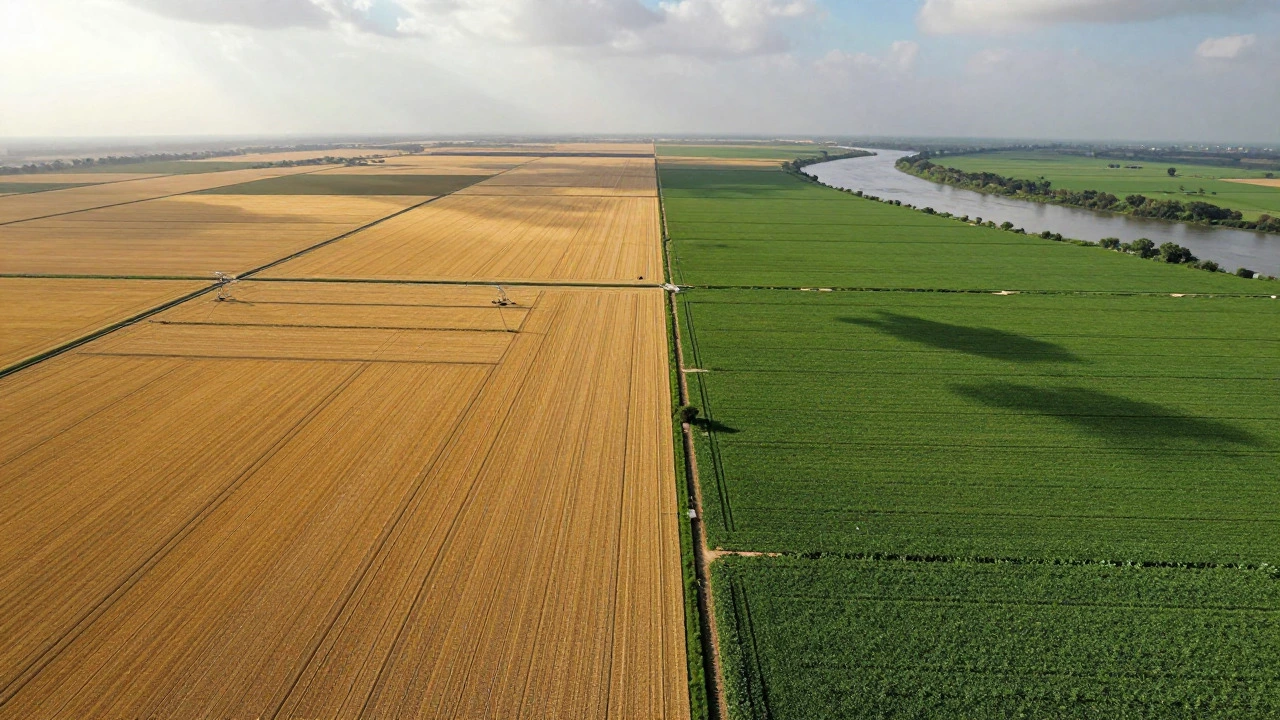
Despite the economic gap, agriculture remains the soul of both regions. Indian Punjab is often called the "Granary of India." It produces a massive portion of the country’s wheat and rice. The Green Revolution of the 1960s transformed this region from a famine-prone area into an agricultural powerhouse. Farmers here use advanced machinery, high-yield seeds, and extensive irrigation systems powered by canal networks dating back to the British era.
Pakistani Punjab is equally vital to its nation’s food security. It is home to some of the most fertile land in South Asia, thanks to the Indus River system. Crops like cotton, sugarcane, and wheat thrive here. However, water management issues and energy crises sometimes hamper productivity. While Indian farmers benefit from government subsidies on electricity and fertilizers, Pakistani farmers often face higher input costs and less consistent support.
Cultural Wealth: A Shared Soul
Wealth isn’t just about money; it’s also about culture. And this is where the two Punjabs are remarkably similar. They share a common language, Punjabi, though written in different scripts (Gurmukhi in India, Shahmukhi in Pakistan). They celebrate similar festivals, albeit with different names or dates. Baisakhi marks the harvest season for both. Lohri is celebrated with bonfires and folk songs on both sides of the border.
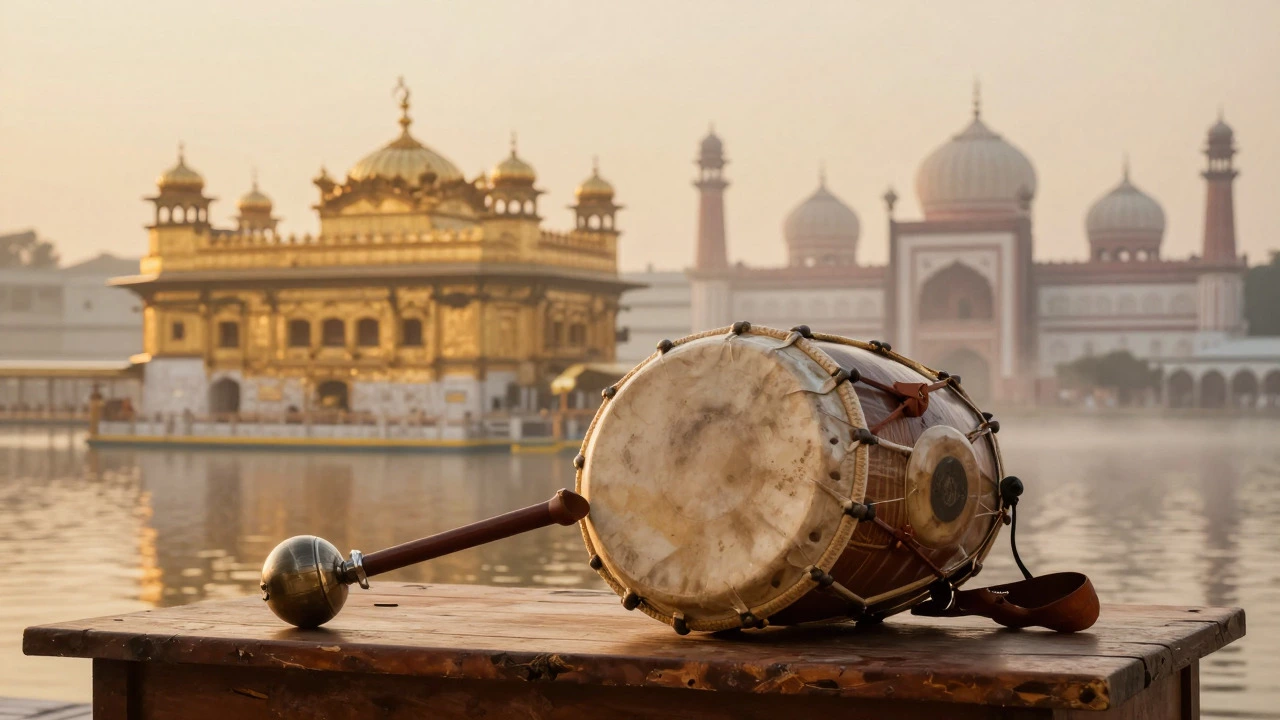
The folk music tradition is a prime example of this shared heritage. Artists like Bhai Sahib Singh and modern singers continue to bridge the gap through music. The rhythm of the dhol and the melody of the tumbi resonate deeply in Amritsar as much as they do in Lahore. This cultural continuity suggests that while economies may diverge, the heart of Punjab beats as one.
Infrastructure and Daily Life
For the average citizen, quality of life matters more than national GDP figures. In Indian Punjab, access to healthcare, education, and digital connectivity is generally better. Mobile internet penetration is high, allowing even rural areas to connect with global markets. Startups in Chandigarh and Mohali are attracting young talent, creating a new wave of non-agricultural jobs.
In Pakistani Punjab, cities like Lahore offer a vibrant urban lifestyle with rich historical landmarks such as the Badshahi Mosque and Fort. The city is a center for arts, literature, and fashion. However, infrastructure challenges like traffic congestion, power outages, and pollution can affect daily comfort. Efforts are being made to improve these conditions, including new metro bus services and road expansions, but progress is uneven.
Challenges Facing Both Regions
Neither Punjab is without its problems. Indian Punjab faces a severe water crisis. Decades of intensive farming have depleted groundwater levels, leading to concerns about sustainability. Additionally, farmer protests highlight dissatisfaction with agricultural policies and market prices. There is also a brain drain issue, with many young professionals migrating abroad or to other Indian states for better opportunities.
Pakistani Punjab deals with political instability and economic volatility. Currency devaluation and inflation impact purchasing power. Security concerns, though improved in recent years, still linger in certain areas. Both regions must address environmental degradation, particularly air and water pollution, to ensure long-term prosperity.
The Verdict: Who Is Richer?
If "rich" means having more money, better roads, and higher tech adoption, then Indian Punjab currently holds the edge. Its integration into the broader Indian economy has provided it with resources and stability that have fueled growth. However, if "rich" includes cultural depth, historical significance, and agricultural potential, both Punjabs are incredibly wealthy. Pakistani Punjab boasts a denser concentration of historical sites and a robust textile industry that competes globally.
Ultimately, comparing them is like comparing two siblings. One might have a bigger salary, but the other might own the family heirlooms. Both contribute uniquely to the identity of South Asia. Understanding their strengths and weaknesses helps us appreciate the complexity of a region divided by politics but united by culture.
Is Indian Punjab richer than Pakistani Punjab?
Yes, in terms of GDP per capita and infrastructure, Indian Punjab is economically stronger. It benefits from higher industrial output and better public services.
What is the main crop grown in both Punjabs?
Wheat and rice are the primary crops in Indian Punjab, while wheat, cotton, and sugarcane dominate in Pakistani Punjab.
Do people in both Punjabs speak the same language?
Yes, both regions speak Punjabi. However, Indian Punjabi uses the Gurmukhi script, while Pakistani Punjabi uses the Shahmukhi script.
Which city is the capital of Indian Punjab?
Chandigarh serves as the shared capital of Indian Punjab and the neighboring state of Haryana.
How does the Green Revolution affect Indian Punjab today?
It turned the region into an agricultural hub but also led to environmental issues like soil depletion and water scarcity.