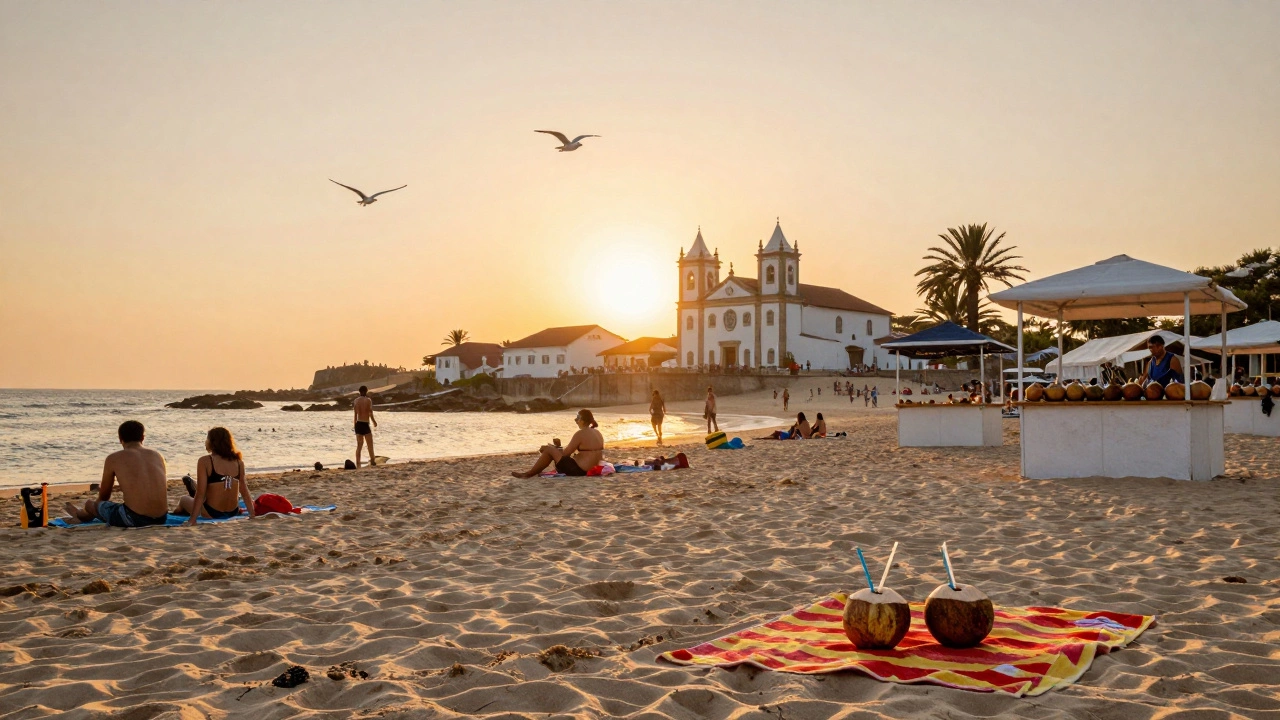
Goa Tourist Volume Calculator
2.1 million foreign tourists visited Goa in 2024 - more than double the second-place state (Rajasthan). Use this calculator to see how seasonal changes and visitor types impact tourism numbers.
Estimated Tourist Numbers
Total Visitors: 0
Price Change: 0%
Beach Crowds: Low
Visitor Type Breakdown:
Based on 2024 tourism data from India's Ministry of Tourism
Every year, over 10 million foreigners visit India. Not all of them go to the same place. Some chase the Himalayas. Others hunt for ancient temples. A few just want to sit on a beach and watch the sun set over the Arabian Sea. But if you ask which single state pulls in the most foreign visitors, the answer isn’t a surprise-it’s Goa.
Why Goa Leads the Pack
Goa isn’t just another Indian state. It’s a cultural hybrid. Portuguese rule lasted over 450 years, leaving behind churches with whitewashed walls, Portuguese-style houses with red-tiled roofs, and a food culture that blends coconut milk with vinegar and chili. This mix makes Goa feel different from the rest of India. Foreigners don’t just visit; they stay. Many come for a week and end up renting a place for six months.
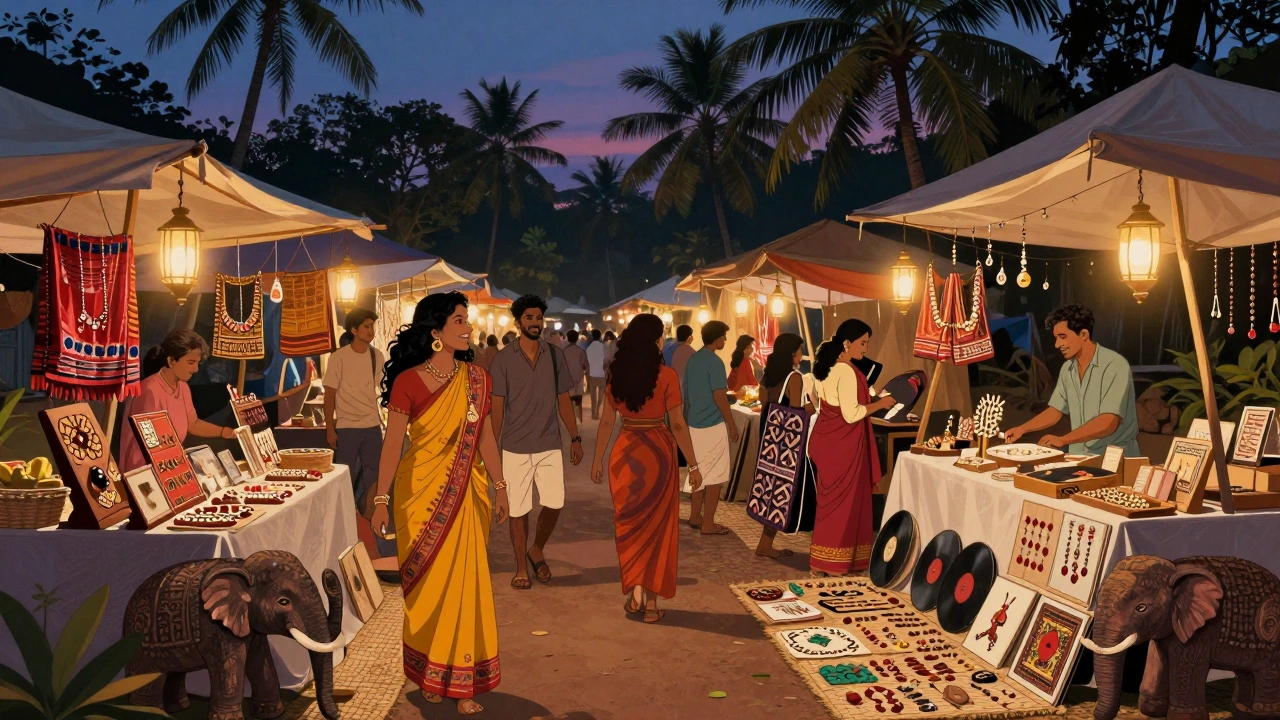
In 2024, Goa welcomed over 2.1 million foreign tourists. That’s more than double the number that visited Rajasthan, the second most popular state. The numbers come from India’s Ministry of Tourism, which tracks arrivals by state. Goa’s beaches-Calangute, Baga, Anjuna-are the main draw. But it’s not just sunbathing. The beach shacks serve craft beer and vegan thalis. The night markets sell handwoven saris and handmade jewelry. The music? Reggae, trance, and Konkani folk all play on the same speaker.
What Makes Goa Stand Out?
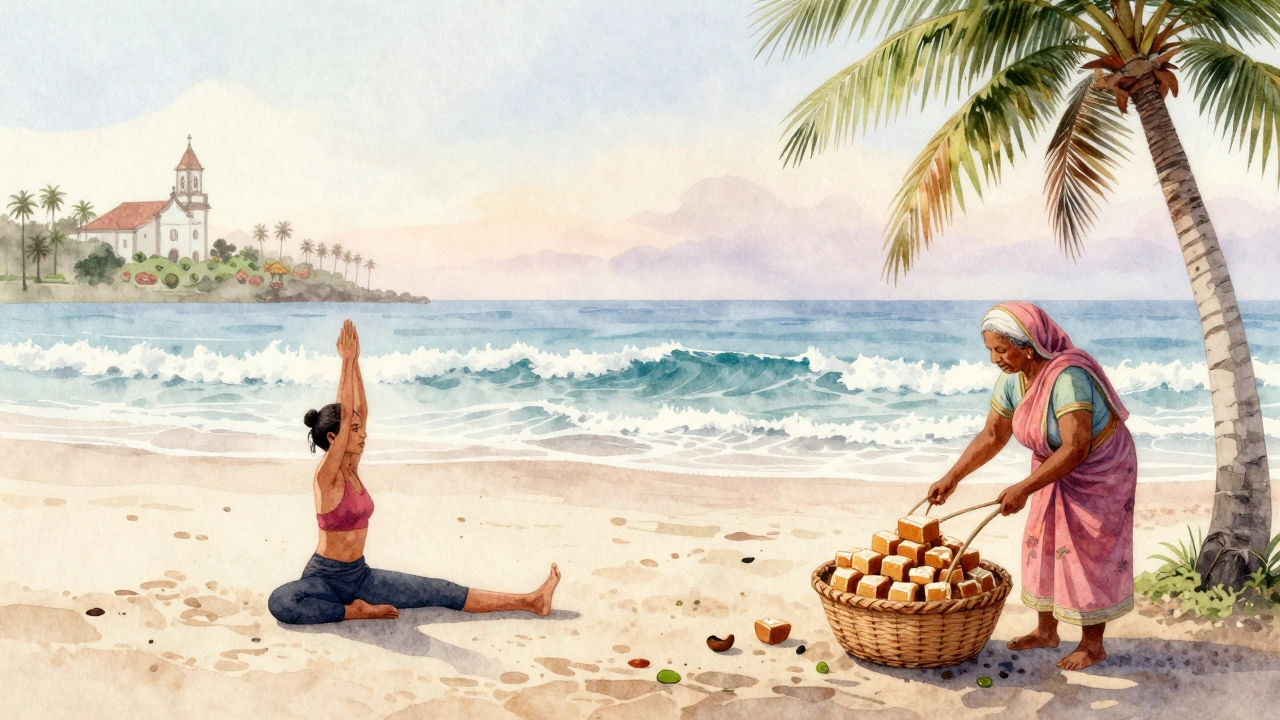
Other states have history. Goa has freedom. It doesn’t feel like a tourist trap because it doesn’t try too hard. You won’t find pushy touts selling fake Taj Mahal souvenirs. Instead, you’ll find a Goan grandmother selling cashew fudge from her porch, smiling as she tells you how her husband used to fish off this very beach.
Foreigners also appreciate how easy it is to get around. Unlike Delhi or Mumbai, where traffic can paralyze you, Goa’s roads are quiet. Scooters rent for under $5 a day. Many visitors don’t even need a car. They walk from their guesthouse to the beach, then to a café, then to a yoga class on the sand.
And then there’s the visa policy. India’s e-Tourist Visa is simple to get. It’s valid for five years and allows multiple entries. Many Europeans and Australians use it to come back every winter. Some even apply for long-term residency. Goa has a growing community of expats-retirees from Germany, digital nomads from Canada, artists from Brazil-all living quietly in small villages like Ashwem or Palolem.
How Does Goa Compare to Other Top Destinations?
Let’s put it in perspective. Rajasthan, home to Jaipur’s pink palaces and Udaipur’s lakes, got about 950,000 foreign visitors in 2024. Tamil Nadu, with its Dravidian temples in Madurai and Mahabalipuram, pulled in around 820,000. Kerala, with its backwaters and Ayurvedic resorts, had 780,000. Even Delhi, the capital, only got 700,000.
But here’s the thing: those places attract different kinds of travelers. Rajasthan draws history buffs and photographers. Tamil Nadu pulls in spiritual pilgrims and architecture lovers. Kerala appeals to wellness seekers. Goa? It draws everyone. Backpackers. Families. Couples. Solo travelers. Even people who say they don’t like India end up loving Goa.
Why? Because it doesn’t demand you to ‘experience India’ in the way others do. There’s no pressure to wear a sari or bow your head in prayer. You can wear shorts, drink wine on the beach, and still feel welcome. That’s rare in a country where cultural expectations can feel heavy.
The Real Secret: It’s Not Just the Beaches
People think Goa is all about parties and sunsets. But the quiet parts are what keep people coming back. The spice plantations in Ponda. The old churches in Old Goa, a UNESCO site with 16th-century baroque architecture. The weekly flea market in Anjuna, where you can buy hand-carved wooden elephants and vintage vinyl records. The hidden waterfalls near Netravali, where locals swim and no one charges you entry.
Goa also has the highest concentration of foreign-run businesses in India. There are over 1,200 cafes, guesthouses, and yoga centers owned by non-Indians. Many of them hire local staff and source ingredients from nearby farms. This creates a symbiotic economy. Foreigners get a sense of belonging. Locals get steady income.
Unlike in Mumbai or Bangalore, where expats often live in gated communities, Goans and foreigners live side by side. You’ll see a Portuguese-speaking Brazilian teaching yoga next to a Konkani-speaking grandmother selling fresh jackfruit. That kind of integration doesn’t happen anywhere else in India.
When to Visit and What to Avoid
The peak season runs from November to February. Temperatures hover around 28°C. The air is dry. The sky is clear. That’s when prices go up and beaches get crowded. If you want the real Goa, go in March or October. The weather is still good. The crowds are gone. The prices drop by 40%.
Avoid December 20-31 if you hate loud music and drunk crowds. That’s when the big beach parties explode. But if you’re into that, it’s unforgettable. Just don’t expect peace.
Also, don’t assume all of Goa is party central. The southern part-especially Palolem, Agonda, and Majorda-is calm, quiet, and perfect for reading under a coconut tree. The north is where the energy lives. Know what you want before you book your flight.
What Foreigners Say About Goa
A 2024 survey by the Goa Tourism Board asked 5,000 foreign visitors: ‘What made you choose Goa over other Indian destinations?’
- 78% said ‘the vibe’-meaning the mix of laid-back energy and cultural richness.
- 65% mentioned ‘the food’-especially seafood curries and bebinca cake.
- 59% said ‘it felt safe’-a rare comment in a country with complex safety perceptions.
- 41% said they came back because they missed the smell of the sea and the sound of temple bells.
One British retiree, who moved to Goa after visiting for three winters, told the survey: ‘I didn’t come to find India. I came to find peace. And I found both.’
Is Goa the Only Option?
No. But it’s the only one that works for almost everyone. If you’re a first-time visitor to India, Goa is the gentlest introduction. No language barrier. No culture shock. No pressure. Just sun, sea, and a sense of belonging.
For repeat visitors, it’s the place you return to when you need to reset. When the world feels too loud, Goa reminds you that some things don’t need to change to be beautiful.
Final Thought: Why This Matters
Goa’s success isn’t just about tourism numbers. It’s proof that cultural tourism doesn’t require grand monuments or ancient ruins. Sometimes, it just needs a beach, a good meal, and a community that welcomes you as you are.
India has 28 states. Each has something unique. But only one has turned tourism into a way of life-for both visitors and locals alike.
Is Goa the most visited state by foreign tourists in India?
Yes. In 2024, Goa received over 2.1 million foreign tourists, more than any other Indian state. It leads by a wide margin, with Rajasthan and Tamil Nadu coming in second and third.
Why do so many foreigners choose Goa over other Indian states?
Goa offers a unique mix of relaxed vibes, easy access, cultural fusion, and safety. Unlike other destinations that demand cultural adaptation, Goa welcomes visitors as they are-with beaches, good food, and minimal pressure. Its Portuguese heritage, English-friendly locals, and laid-back lifestyle make it the most approachable entry point to India.
When is the best time to visit Goa to avoid crowds?
March and October are the best months. The weather is still warm and pleasant, but the peak tourist season has ended. Prices drop significantly, and beaches are quiet. December through February is the busiest-and most expensive-time.
Are there any safety concerns for foreign tourists in Goa?
Goa is considered one of the safest states in India for foreign tourists. Crime rates are low, and locals are generally welcoming. The biggest risks are petty theft on crowded beaches and unregulated water sports. Stick to licensed operators, keep valuables secure, and avoid walking alone on isolated beaches at night.
Do I need a visa to visit Goa?
Yes, but it’s simple. Foreigners need an Indian e-Tourist Visa, which can be applied for online. It’s valid for five years with multiple entries and allows stays of up to 180 days per visit. Most nationalities, including U.S., UK, EU, and Australian citizens, qualify.
Can I live in Goa as a foreigner?
Yes. Thousands of foreigners live in Goa long-term. Many rent homes year-round. Some apply for long-term visas or retiree permits. The state has a growing expat community, especially in areas like Ashwem, Palolem, and Mapusa. There are no special restrictions, but you must follow India’s visa and tax rules.