Gujarat Travel Phrasebook
Click on any phrase below to hear a simulated pronunciation tip and see usage context. These five phrases will help you connect with artisans and navigate markets in Gujarat.
Kem cho?
Pronunciation: K-em ch-oh
Meaning: How are you?
Chalo
Pronunciation: Cha-lo
Meaning: Okay / Let's go
Ketla nu?
Pronunciation: Ke-t-la nu
Meaning: How much?
Nahi
Pronunciation: Na-hee
Meaning: No
Avsar
Pronunciation: Av-sar
Meaning: Thank you
💡 Pro Tip
Don't worry about perfect grammar or tone. Gujarati is generally soft and melodic. Locals appreciate the effort more than accuracy. Pair these words with a smile and open body language to bridge any gaps.
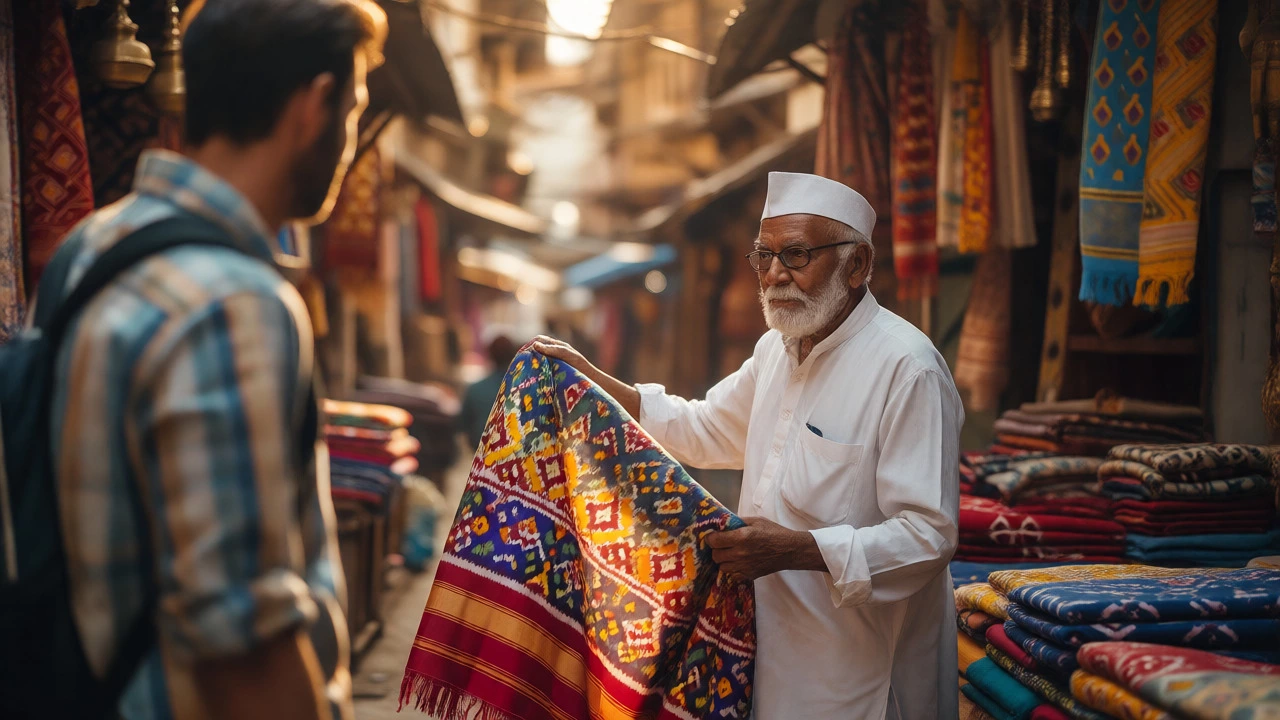
You land in Ahmedabad, excited to explore the vibrant markets and historic architecture. You walk up to a shopkeeper selling intricate Patola sarees, a type of double ikat weave famous in Gujarat. You ask, "How much for this one?" He smiles, nods, and replies in rapid-fire Gujarati. Do you panic? Should you have hired a translator before booking your flight?
The short answer is no. But the real answer is more nuanced. Whether you hear English depends entirely on where you are standing, who you are talking to, and what you are trying to buy. Gujarat is not a monolith. It is a mix of bustling metro hubs like Ahmedabad and Surat, and quiet rural villages where traditional crafts thrive. Understanding this linguistic landscape saves you stress and helps you connect better with the artisans whose work you admire.
The Reality of English Proficiency in Gujarat
Let’s cut through the stereotypes. Is everyone fluent? No. Is everyone clueless? Also no. In major cities like Ahmedabad and Surat, English is widely understood among the middle and upper classes. If you visit a hotel lobby, a modern shopping mall, or a corporate office, you will likely find staff who can switch to English seamlessly. These urban centers are connected to the global economy, especially in sectors like diamonds, textiles, and IT.
However, step into the old city lanes of Ahmedabad or the small towns surrounding it, and the dynamic shifts. Here, Gujarati is the primary mode of communication. This doesn’t mean people are unfriendly. It means their default setting is local. Many older residents may understand basic English words but prefer speaking their mother tongue. Younger generations, particularly students and those working in tourism or export businesses, often have functional English skills. They might struggle with complex sentences but can handle transactional conversations about price, quantity, and location.
Your experience will vary drastically based on your itinerary. A trip focused on high-end hotels and business meetings will feel very English-friendly. A trip focused on visiting weaving clusters in Patan or Bhuj will require more patience and perhaps some non-verbal communication skills.
Why Language Matters for Handicraft Lovers
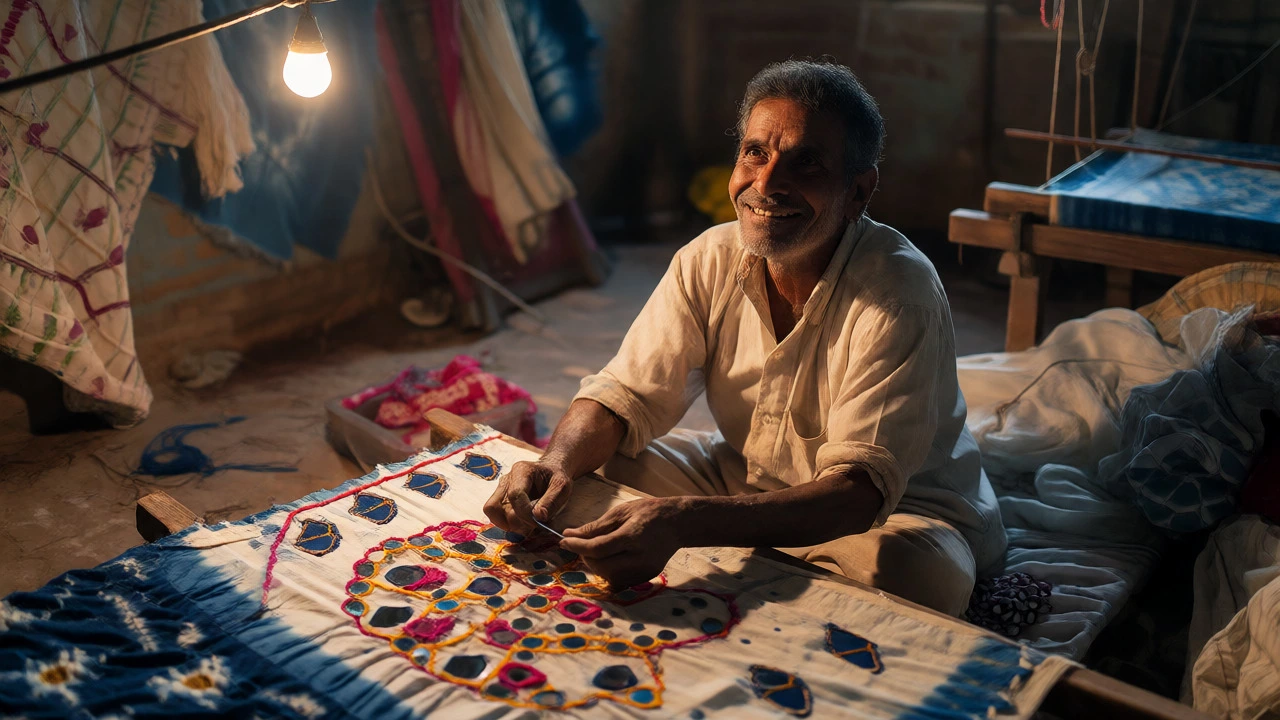
If you are reading this because you want to buy authentic Indian handicrafts, language plays a subtle but critical role. The best deals and the most interesting stories rarely happen in air-conditioned showrooms with English-speaking sales assistants. They happen in workshops where artisans create Bandhani (tie-dye) fabrics or carve wood in Kutch.
In these settings, speaking even a few words of Gujarati changes the interaction from a transaction to a connection. When you ask "Kem cho?" (How are you?) instead of just pointing at an item, you signal respect for the local culture. Artisans respond warmly. They might explain why they chose specific colors for a Embroidery piece or how long it took to weave a rug. While they may not speak fluent English, their pride in their craft transcends language barriers. You don’t need perfect grammar; you need genuine curiosity.
| Location Type | English Level | Communication Strategy |
|---|---|---|
| Metro Cities (Ahmedabad, Surat) | High to Moderate | Standard English works fine in malls, hotels, and cafes. |
| Tourist Sites & Museums | Moderate | Guides speak English. Staff may need simple phrases. |
| Small Towns & Markets | Low to Basic | Use gestures, numbers, and basic Gujarati greetings. |
| Rural Craft Clusters | Very Low | Hire a local guide or use translation apps heavily. |
Essential Gujarati Phrases for Travelers
You don’t need to learn the whole language. Just learning five key phrases will earn you smiles and smoother interactions. Pronunciation matters less than effort. Locals appreciate that you tried.
- Kem cho? (K-em ch-oh): How are you? Use this as a greeting. It breaks the ice instantly.
- Chalo (Cha-lo): Okay / Let’s go. Useful when agreeing to a deal or moving locations.
- Ketla nu? (Ke-t-la nu): How much? Essential for bargaining in markets.
- Nahi (Na-hee): No. Simple and effective if you aren’t interested in a product.
- Avsar (Av-sar): Thank you. Politeness goes a long way in Indian culture.
Don’t worry about tone. Gujarati is generally soft and melodic. Even if you butcher the pronunciation, the intent comes across. Pair these words with a smile and open body language. In many rural areas, a friendly demeanor bridges gaps faster than vocabulary.
Navigating Bargaining Without Fluent Language
Bargaining is part of the game in Gujarat’s markets. If you can’t speak the language fluently, you might feel vulnerable. Sellers know you are a foreigner. They might quote a higher initial price. Here is how to negotiate effectively without complex conversation:
- Start with a Smile: Never start negotiations aggressively. A friendly opening sets a positive tone.
- Use Numbers: Money is universal. Write down your offer on paper or your phone screen. Show them the number clearly.
- Walk Away: This is your strongest tool. If the price is too high, say "Nahi" gently and start walking away slowly. Often, they will call you back with a better offer.
- Bundle Items: Buying multiple items allows you to negotiate a bulk discount. Pointing at several scarves and showing a total price often works better than negotiating each piece individually.
Remember, fair pricing supports the artisan. Don’t try to squeeze them dry. Aim for a price that feels reasonable to both sides. If you are buying handmade Woodwork or Mirror Work textiles, remember the hours of labor involved.
Digital Tools to Bridge the Gap
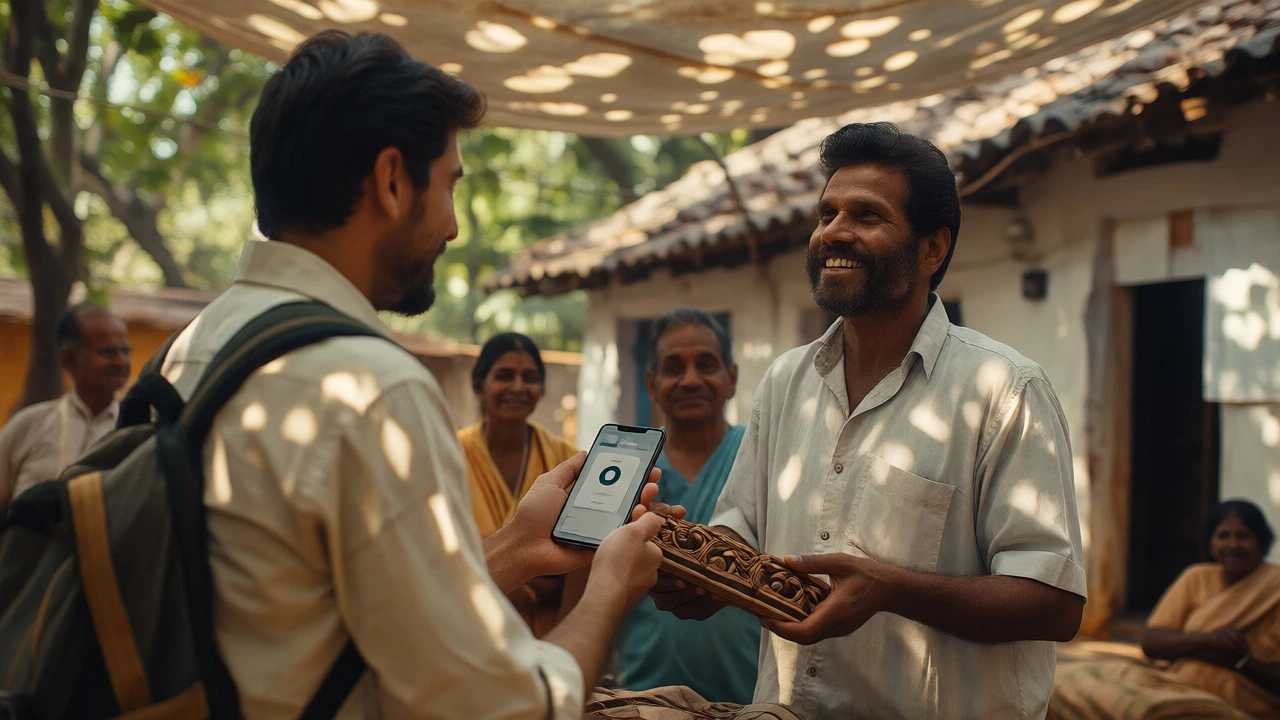
If you are worried about communication breakdowns, technology is your safety net. Download offline translation apps before you arrive. Google Translate has excellent support for Gujarati. You can type in English and show the screen to the seller, or speak into the app and let it translate aloud.
Another useful trick is using visual aids. Save photos of items you want to buy. If you are looking for a specific type of embroidery, show the picture. This eliminates confusion about style or material. For directions, screenshot maps beforehand. Internet connectivity can be spotty in remote craft villages, so having digital backups is crucial.
Consider hiring a local guide if you plan to visit multiple craft clusters in one day. A guide does more than translate; they provide context. They explain the history of the craft, the significance of motifs, and help you navigate logistics. This investment often pays off in the quality of your experience and the authenticity of your purchases.
Cultural Etiquette: More Than Just Words
Language is only half the equation. Cultural cues matter just as much. In Gujarat, respect for elders and hosts is paramount. Remove your shoes before entering someone’s home or certain workshops. Dress modestly, especially in rural areas. Covering shoulders and knees shows respect for local norms.
When offered tea or snacks, accept them unless you have a strict dietary restriction. Refusing hospitality can sometimes be seen as distant. Engaging in these small rituals builds trust. Once trust is established, communication becomes easier. People are more willing to help, even if they don’t share a common language.
Also, be mindful of time. Life in smaller towns moves at a different pace. Things might take longer than expected. Patience is a form of communication. Rushing someone can create tension. Relax, observe, and let the interaction unfold naturally.
Final Thoughts on Your Gujarat Trip
So, do they speak English in Gujarat? Yes, but with caveats. In cities, you will be fine. In villages, you will need to adapt. This challenge is actually a gift. It forces you to slow down, observe, and engage differently. You stop relying on verbal shortcuts and start paying attention to details-the texture of the fabric, the skill in the carving, the warmth in the eyes.
Embrace the slight discomfort of not understanding every word. It makes the moments of connection sweeter. When an artisan finally understands your request and hands you exactly what you wanted, the shared smile speaks louder than any sentence. Prepare with basic phrases, keep an open mind, and let the beauty of Gujarat’s crafts do the talking.
Is Hindi spoken in Gujarat?
Yes, many educated Gujaratis understand and speak Hindi due to its prevalence in national media and education. However, Gujarati is the official state language and the primary dialect used in daily life, especially in homes and local markets.
Can I survive in Gujarat knowing only English?
You can survive, especially in Ahmedabad, Surat, and tourist hotspots. However, you will face challenges in rural areas, local markets, and when interacting with artisans. Learning basic Gujarati phrases significantly improves your experience and ability to bargain effectively.
What is the best way to communicate with artisans?
Combine basic Gujarati greetings with visual aids. Show pictures of what you want, use calculator apps for prices, and maintain friendly body language. Hiring a local guide is also highly recommended for deep dives into craft clusters.
Are credit cards accepted in Gujarat markets?
In large stores and malls, yes. In street markets and rural craft shops, cash is king. Always carry small denomination notes. UPI (digital payments) is becoming popular, but internet connectivity can be unreliable in remote areas.
Is it safe for solo travelers to rely on locals for directions?
Generally, yes. Gujaratis are known for being hospitable. However, always verify directions with multiple sources or use GPS maps as a backup. Be cautious of overly enthusiastic guides who might lead you to commission-based shops.