Yoga Belief Spectrum Quiz
Question 1: How important is belief in a divine presence to your yoga practice?
Question 2: What's your view on chanting 'Om' during practice?
Question 3: How do you view the spiritual elements in yoga classes?
Question 4: Do you believe yoga is a religious practice?
Question 5: How do you respond to 'Namaste' at the end of class?
When you see someone in downward dog at a studio in London, or hear about a yogi meditating on a mountain in Nepal, you might wonder: do they believe in God? It’s a simple question, but the answer isn’t straightforward. Yoga didn’t start as a workout. It began as a spiritual path-one that doesn’t require you to worship any single deity, but still deeply connects to something greater than yourself.
Yoga’s Roots Aren’t About One God
Yoga comes from ancient India, around 5,000 years ago. The earliest texts, like the Yoga Sutras of Patanjali, don’t talk about God in the way most Western religions do. Instead, they mention Ishvara-a special kind of consciousness, untouched by suffering, karma, or desire. Patanjali says you can use Ishvara as a focus for meditation, but he doesn’t say you have to believe in it. You can treat it like a symbol of pure awareness, not a person with a name or form.
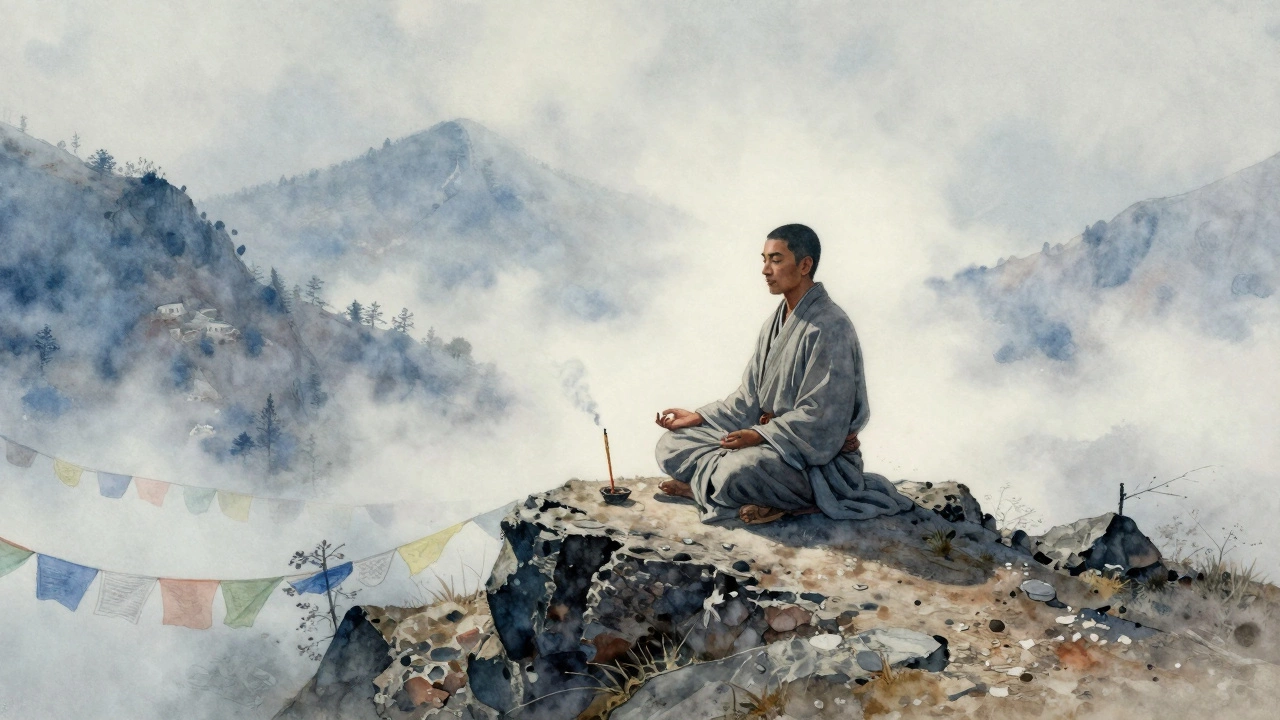
Many modern yogis follow this path. They meditate on silence, breath, or inner stillness-not because they’re praying to a divine being, but because they’re trying to quiet the noise in their own minds. The goal isn’t to please God. It’s to see clearly.
Not All Yogis Are Hindu
Yoga is often linked to Hinduism, but not every yogi is Hindu. In fact, many yogis come from Buddhist, Jain, Sikh, or even secular backgrounds. In India, yoga has always been practiced across religious lines. A Jain monk might practice yoga to detach from the material world. A Sikh might use breathwork to connect with the One Divine, which they call Waheguru. A Westerner might just want to reduce anxiety-and call it yoga.
When you walk into a yoga studio today, you’re likely to find people who don’t believe in God at all. Some are atheists. Others are spiritual but not religious. A 2023 survey by the Yoga Alliance found that 42% of yoga practitioners in the U.S. don’t identify with any organized religion. That doesn’t mean they’re not spiritual. It just means their spirituality doesn’t include a personal deity.
The Role of Devotion in Some Traditions
But here’s the flip side: not all yogis avoid God. In Bhakti yoga, devotion is the whole point. This path is about love-love for a divine presence, whether it’s Krishna, Shiva, or a formless universal energy. Devotees chant mantras like “Om Namah Shivaya,” offer flowers, and sing hymns. For them, yoga isn’t just about poses. It’s about surrender.
Swami Vivekananda, who brought yoga to the West in the late 1800s, said: “Yoga is the science of the soul.” He didn’t mean science in the lab-coat sense. He meant it as a way to experience truth directly. For many traditional teachers in India, that truth is inseparable from the divine.
So yes, some yogis do believe in God. But they don’t all believe in the same God. And many don’t believe in any God at all.
What the Texts Actually Say
Let’s look at the core texts. The Bhagavad Gita talks about devotion to Krishna. The Hatha Yoga Pradipika talks about awakening energy through breath and posture. The Yoga Sutras give you a choice: you can meditate on Ishvara, or you can focus on your breath, your body, or your thoughts. No one is forced.
The key idea? Yoga is a tool. It’s like a hammer. You can use it to build a house, or you can use it to fix a fence. The tool doesn’t care what you’re building. The intention is yours.
Modern yoga teachers like B.K.S. Iyengar and T.K.V. Desikachar never demanded belief in God. They focused on alignment, breath, and individual progress. Iyengar, who lived to 95, said: “Yoga is not about religion. It’s about realization.”
Why the Confusion Exists
So why do people think yoga is religious? Because it’s been packaged that way. In the West, yoga got mixed with New Age spirituality, crystal healing, and chants in Sanskrit that people didn’t understand. Some studios play Hindu chants without explaining them. Others say “Namaste” like it’s a magic word, without knowing it means “I bow to the divine in you.”
But here’s the truth: “Namaste” doesn’t require you to believe in God. If you take it as “I honor the light in you,” it becomes a gesture of respect-not a religious ritual.
The same goes for “Om.” It’s not a prayer to a god. It’s a sound. A vibration. Ancient sages said it represents the sound of the universe. You can chant it to calm your mind. You don’t need to believe in anything beyond that.
Can You Be a Yogi Without Believing in God?
Yes. Absolutely.
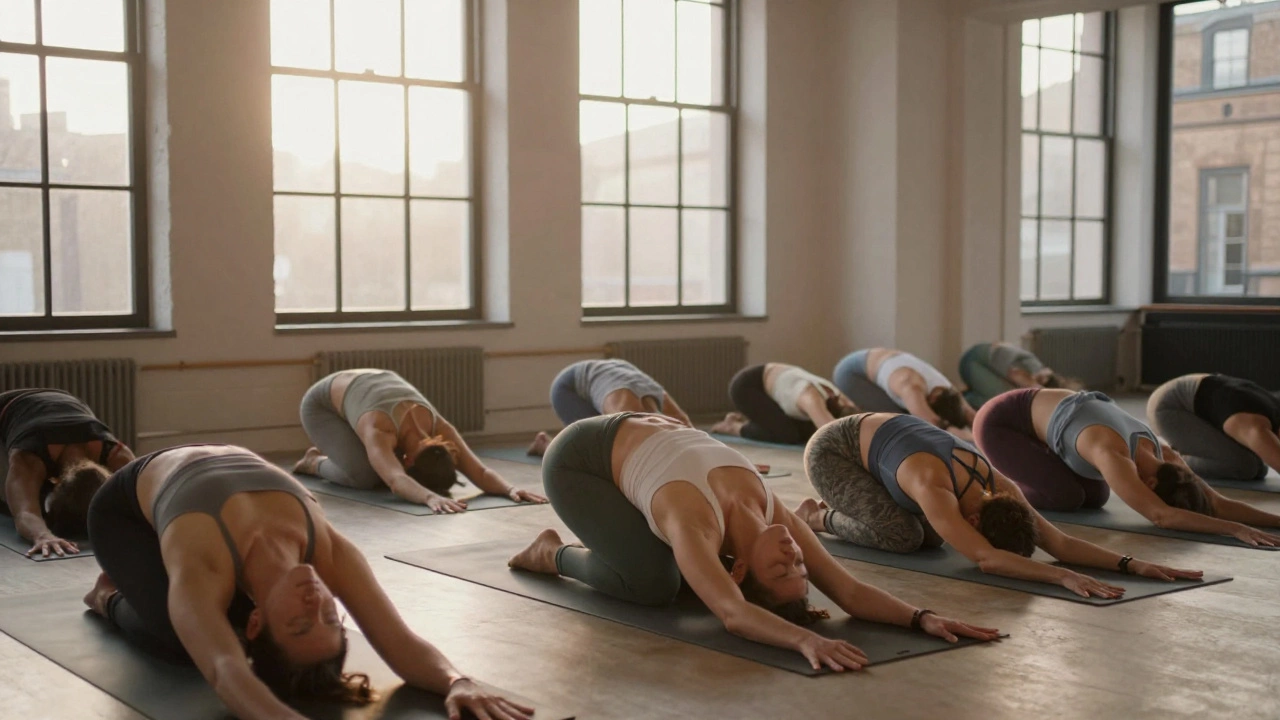
Thousands of people practice yoga every day for physical health, mental clarity, or stress relief. They don’t chant. They don’t light incense. They don’t believe in karma or reincarnation. But they still bend, breathe, and pause. That’s yoga.
Yoga doesn’t require belief. It requires practice. The poses open the body. The breath calms the nervous system. The stillness reveals what’s underneath the thoughts. That’s all you need.
A 2021 study in the Journal of Clinical Psychology showed that people who practiced yoga for eight weeks had lower cortisol levels and improved focus-even if they never mentioned God during class.
It’s About Experience, Not Belief
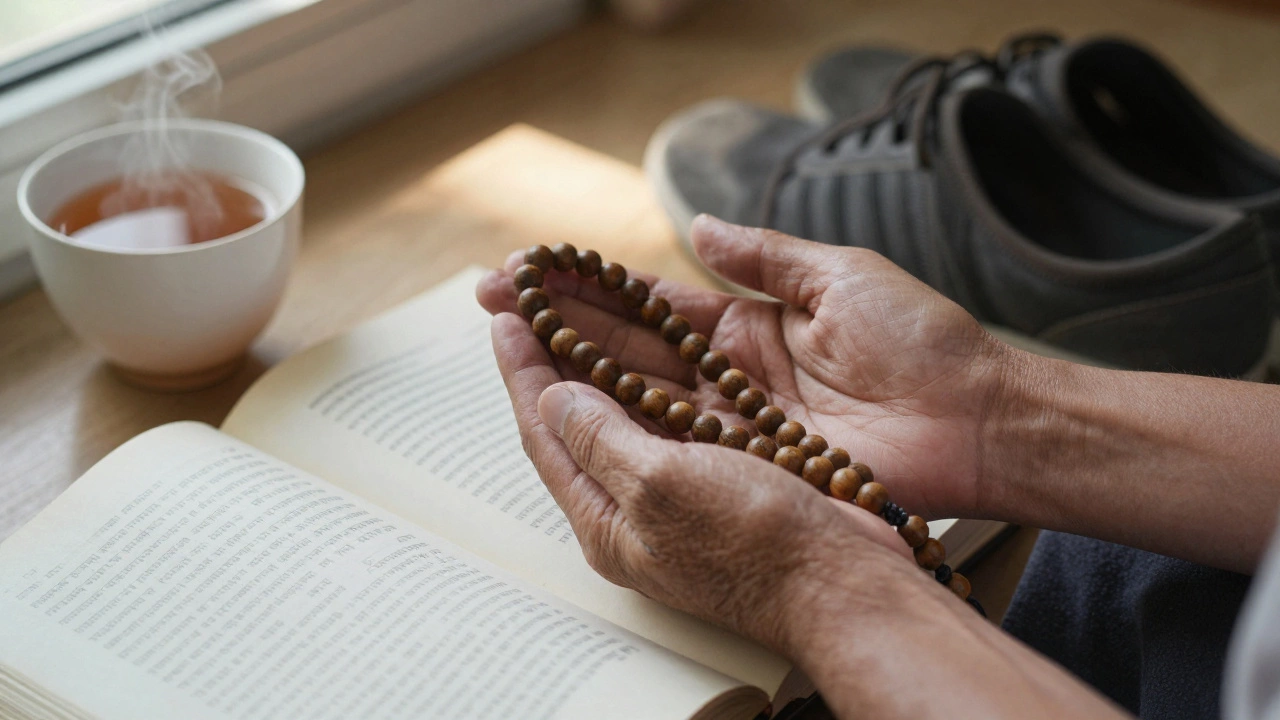
The deepest yogis don’t argue about God. They’ve seen something beyond words. They’ve sat in silence for hours and felt a presence-not outside themselves, but within. That’s not faith. That’s experience.
One teacher I met in Rishikesh told me: “If you want to know if God exists, don’t read books. Sit still. Watch your mind. See what arises.”
That’s the heart of it. Yoga isn’t about what you believe. It’s about what you discover when you stop believing everything you’ve been told.
So, Do Yogis Believe in God?
The answer? Some do. Some don’t. Most don’t care. They’re too busy breathing.
Yoga is a mirror. It doesn’t tell you what to believe. It shows you what’s already there.
Do you have to be Hindu to practice yoga?
No. Yoga originated in ancient India and shares roots with Hindu philosophy, but it’s not tied to any religion. People of all faiths-and no faith-practice yoga. The physical and mental benefits don’t depend on belief. Many Buddhists, Christians, atheists, and secular practitioners use yoga as a tool for wellness, not worship.
Is chanting ‘Om’ religious?
Not necessarily. ‘Om’ is an ancient sound used in Indian traditions to represent the vibration of the universe. In yoga, it’s often used to focus the mind, not to pray. Many people chant it as a way to center themselves, similar to how others might repeat a mantra or take a deep breath. You can use it without believing in any deity.
Can atheists practice yoga?
Yes. Yoga is a system of practices-postures, breathing, meditation-that improve physical and mental health. Many atheists practice yoga for stress relief, flexibility, or mindfulness. They don’t need to believe in God, karma, or reincarnation to benefit. The science behind yoga works regardless of belief.
What’s the difference between yoga and religion?
Religion usually involves faith in a set of doctrines, rituals, and a divine authority. Yoga is a practice. It doesn’t require you to believe anything. You can follow yoga’s path without accepting any dogma. Some people blend yoga with religion. Others keep them separate. Both are valid.
Why do some yoga studios use Hindu gods in their decor?
Some studios include images of deities like Shiva or Ganesha as cultural symbols, not religious icons. In India, these figures represent qualities-like strength, wisdom, or removing obstacles. But in the West, they’re often used decoratively, without understanding their meaning. You don’t need to believe in them to be in a studio that has them. If it makes you uncomfortable, you can always find a secular studio.
What Comes Next?
If you’re new to yoga and wondering if you need to change your beliefs, you don’t. Start with your breath. Notice how your body feels. Notice how your mind reacts. That’s the real practice.
Yoga doesn’t ask you to believe in God. It asks you to notice what’s already here.