Pork Safety Checker
Is Your Pork Safe to Eat?
Check if your pork meets Indian food safety standards based on cooking temperature and handling practices.
Many people wonder if pork is safe to eat in India. The answer isn’t just about food safety-it’s tangled in religion, regional habits, and modern food standards. You won’t find pork on every menu, but that doesn’t mean it’s banned or unsafe. In fact, pork is eaten regularly in parts of India, and when handled properly, it’s just as safe as chicken or beef.
Pork Is Eaten in India-Just Not Everywhere
India isn’t a monolith when it comes to food. While many Hindus avoid pork due to cultural associations with impurity, and Muslims avoid it for religious reasons, large communities across the country eat it without hesitation. In the northeastern states like Nagaland, Mizoram, and Meghalaya, pork is a staple. It’s smoked, fermented, stir-fried, or cooked with local spices. In Goa, pork vindaloo is a centuries-old dish rooted in Portuguese colonial history. Kerala’s Christian communities serve pork curry at Sunday lunches. In West Bengal and parts of Odisha, pork is common in rural households.
According to a 2023 government survey on food consumption patterns, nearly 18% of Indian households regularly consume pork, with the highest rates in the northeast and among Christian and tribal populations. That’s over 200 million people eating pork regularly-not because they’re ignoring tradition, but because their culture includes it.
Why Some People Think Pork Is Unsafe
The idea that pork is unsafe in India often comes from two places: religious beliefs and outdated myths. Some believe pork is unclean because of Islamic and Hindu teachings. But these are spiritual guidelines, not food safety rules. Others worry about hygiene, thinking pigs are dirty animals that carry diseases. That’s a misconception.
Pigs are not inherently dirty. They’re clean animals by nature-they avoid defecating near their sleeping areas. The real issue is how they’re raised and processed. In urban markets, poor sanitation can affect any meat, pork included. But in regulated slaughterhouses and licensed vendors, pork is inspected, chilled, and handled like any other meat. The Food Safety and Standards Authority of India (FSSAI) requires all meat, including pork, to meet the same hygiene standards as chicken or mutton.
There’s no evidence of higher disease rates from pork in India compared to other meats. Outbreaks linked to pork-like trichinosis-are extremely rare and usually tied to undercooked meat from unregulated sources, not commercial supply chains.
How to Tell If Pork Is Safe to Buy
If you’re buying pork in India, here’s what to look for:
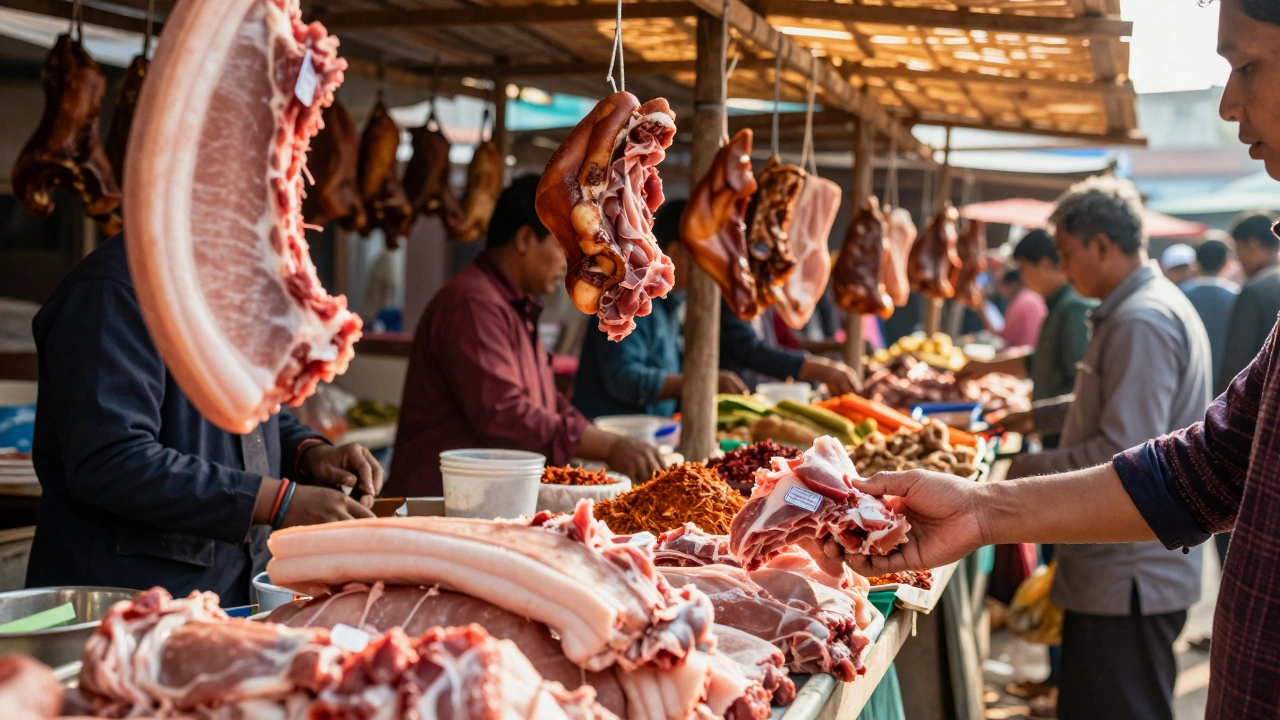
- Check the source: Buy from licensed butchers or supermarkets with FSSAI certification. Avoid roadside vendors with no refrigeration.
- Look at the color: Fresh pork should be light pink to reddish, not gray or green. Fat should be white or creamy, not yellow.
- Smell it: It should have a mild, neutral odor. A sour or ammonia-like smell means it’s spoiled.
- Ask for the cut: Pork shoulder, belly, and tenderloin are the safest and most commonly sold cuts. Avoid mystery meat.
- Check for stamp: In states like Goa, Kerala, and Nagaland, meat often carries a government inspection stamp.
When in doubt, ask the vendor where the pig was raised. Many small farms in the northeast and rural Karnataka still practice traditional, free-range rearing, which many consider healthier and more flavorful.
Cooking Pork Right Matters More Than Avoiding It
Undercooked pork is the only real health risk-and that’s true everywhere, not just in India. The parasite Trichinella spiralis can cause illness if pork is eaten raw or undercooked. But this is preventable.
The FSSAI recommends cooking pork to an internal temperature of at least 71°C (160°F). Use a meat thermometer if you can. If you don’t have one, cook until there’s no pink left and the juices run clear. Marinating pork in vinegar or lemon juice doesn’t kill bacteria-it only adds flavor. Heat does.
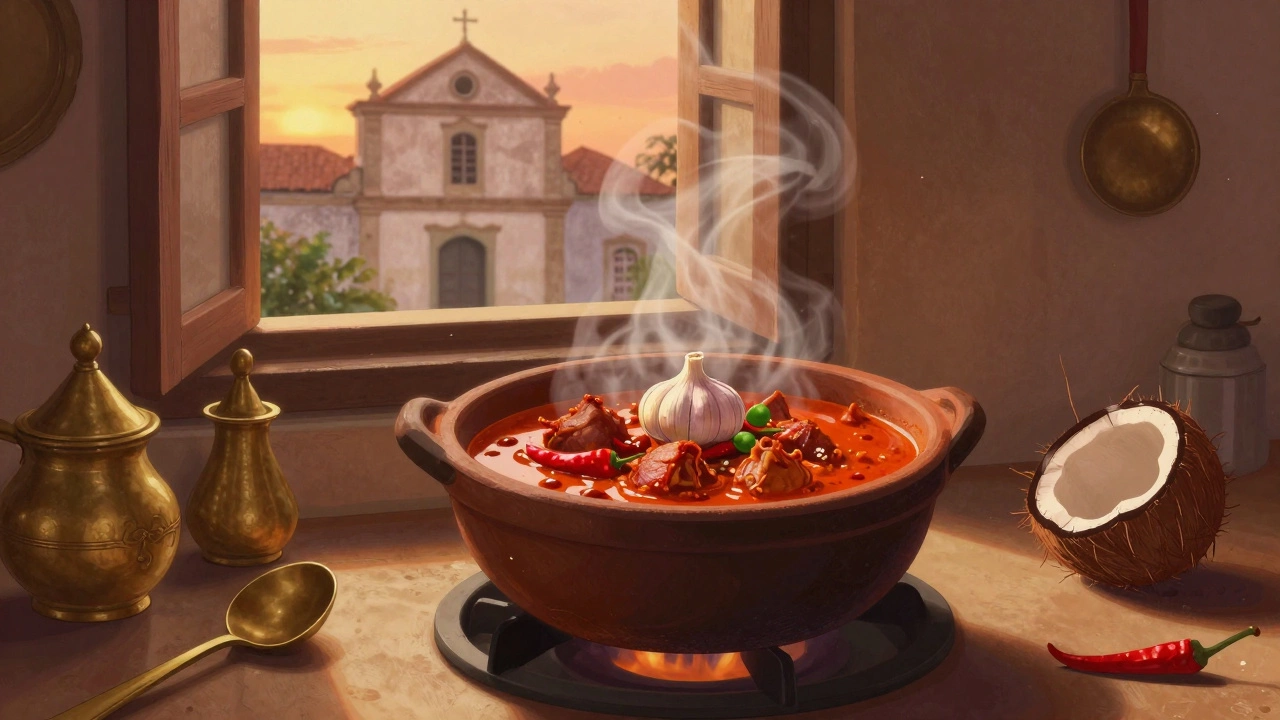
Traditional Indian pork dishes like Goan vindaloo, Nagaland smoked pork, or Bengali pork curry are usually slow-cooked for hours. That’s not just for taste-it’s a built-in safety step. These dishes are among the safest ways to eat pork in India.
Religion and Personal Choice
Whether you eat pork in India is often less about safety and more about identity. For many Hindus, pork is avoided not because it’s dangerous, but because it’s considered tamasic-associated with heaviness and impurity in Ayurvedic philosophy. For Muslims, it’s a clear religious prohibition. But millions of Indians don’t follow these rules. Christians, tribal communities, and urban youth eat pork freely.
There’s no legal ban on pork in any Indian state. Some areas, like Gujarat and Rajasthan, have fewer pork sellers simply because demand is low. But in Delhi, Mumbai, and Bangalore, you’ll find pork in specialty butchers, gourmet stores, and even chain restaurants like Barbeque Nation and The Pork Store in Bengaluru.
Respect cultural norms, but don’t confuse them with health rules. Just as you wouldn’t tell a Sikh they can’t eat beef, you shouldn’t assume pork is unsafe just because someone else avoids it.
Modern Trends: Pork Is Gaining Popularity
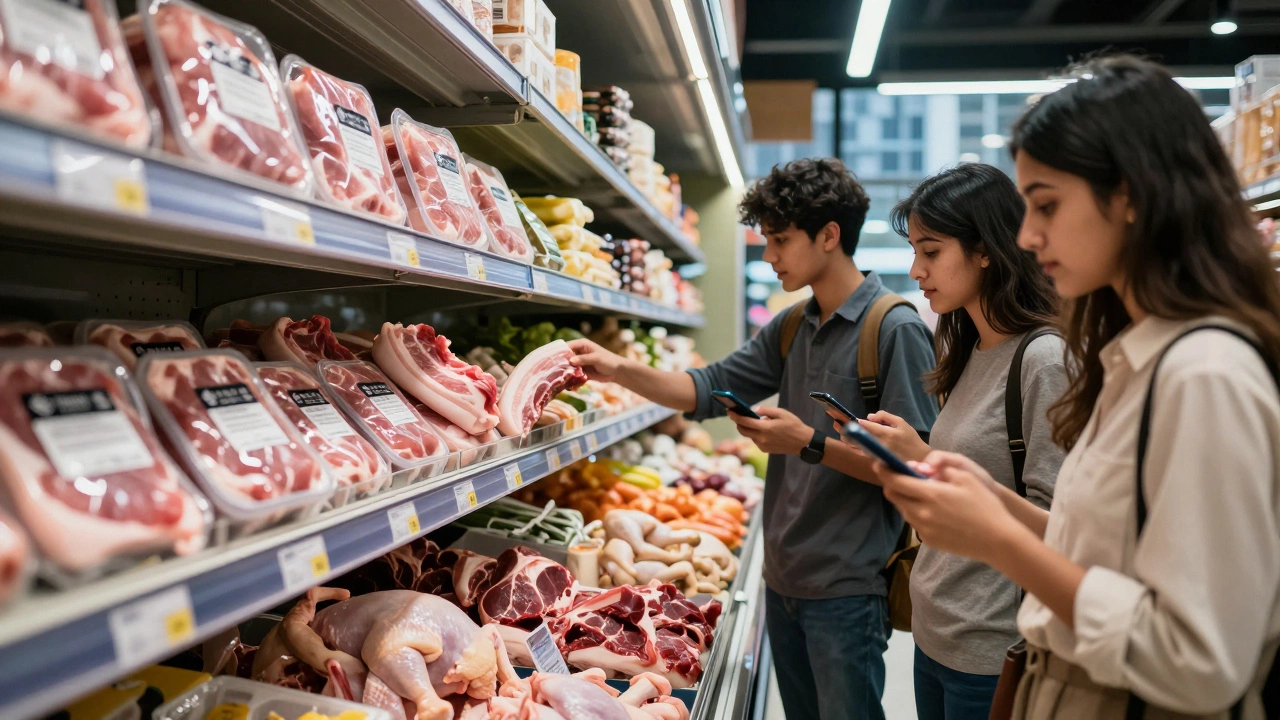
Pork is slowly becoming more visible in Indian cities. Vegan and vegetarian diets dominate headlines, but meat diversity is growing. Young chefs in Mumbai and Pune are experimenting with pork belly tacos, pulled pork buns, and pork ramen. Supermarkets now stock pre-marinated pork cuts in the chilled section. Online delivery apps list pork dishes in over 200 cities.
A 2024 report by the Indian Meat Processors Association showed pork sales increased by 12% year-over-year, mostly driven by urban consumers under 35. It’s not about rebellion-it’s about taste, variety, and access to better food systems.
Even some Hindu families who avoid pork at home will buy it for guests or special occasions, especially in mixed-faith households. Food is changing in India, and pork is part of that change.
Bottom Line: Yes, Pork Is Safe to Eat in India
Pork is safe to eat in India if you buy it from trusted sources and cook it properly. The risks aren’t unique to pork-they apply to all meat. The real question isn’t whether pork is dangerous. It’s whether you’re comfortable eating it, given your culture, religion, or personal values.
If you’re curious, try a small portion from a reputable vendor. Taste the difference. In Goa, it’s tangy and spicy. In Nagaland, it’s smoky and rich. In Bengal, it’s slow-cooked in mustard oil. These aren’t just dishes-they’re stories on a plate.
Don’t let myths stop you from exploring. Food safety isn’t about what you avoid-it’s about what you know.