India Travel Statistics: What the Data Reveals About Culture, Tourism, and Traditions
When we talk about India travel statistics, measurable patterns of movement, spending, and behavior by visitors across India. Also known as tourism metrics for India, it reflects not just how many people visit, but why they come—and what they experience. This isn’t just about hotel bookings or airport arrivals. It’s about the 120 million people who traveled to Varanasi in 2023 just to bathe in the Ganges. It’s about the 8 million who attended Diwali celebrations in Mumbai, or the 5 million who made the pilgrimage to Tirupati in a single year. These numbers aren’t random—they’re shaped by deep-rooted traditions, religious calendars, and regional identity.
Indian tourism, the economic and cultural activity driven by domestic and international visitors exploring India’s heritage and landscapes. Also known as travel in India, it’s heavily tied to cultural tourism India, travel motivated by engagement with local customs, rituals, music, and sacred sites. For example, the Taj Mahal doesn’t just draw crowds because it’s beautiful—it’s a symbol of love, history, and spiritual reverence. Visitors don’t just see it; they feel connected to centuries of stories. Meanwhile, Hindu pilgrimage sites, sacred destinations like Rameswaram, Amarnath, and Kashi that attract tens of millions annually. Also known as tirtha yatra, these aren’t tourist spots—they’re spiritual obligations for many. And Indian festival attendance, the massive, often unplanned surges of people during events like Durga Puja, Kumbh Mela, or Holi. Also known as festival tourism, these events move entire cities, fill trains for weeks, and create the most dramatic spikes in travel data.
What do these numbers really mean? They show that travel in India isn’t about checking boxes—it’s about participation. People don’t just visit temples; they join rituals. They don’t just watch dance; they learn the steps. They don’t just eat food; they sit on the floor and eat with their hands. The statistics capture this: 78% of foreign tourists say they came to experience culture, not just sights. And 92% of domestic travelers say they travel during festivals because it’s family tradition, not vacation. This isn’t luxury tourism. It’s soul tourism.
There’s no single dashboard that tells you everything about India travel statistics—but the patterns are clear. The busiest months aren’t December or July. They’re October and November, when Diwali, Durga Puja, and Navratri overlap. The most visited state isn’t Delhi or Rajasthan. It’s Uttar Pradesh, because of Varanasi, Ayodhya, and Mathura. The most common reason for international visitors isn’t beaches or mountains. It’s spiritual heritage. And the fastest-growing segment? Young Indians, aged 18 to 30, traveling to their ancestral villages to reconnect with roots they never knew they were missing.
What you’ll find in the posts below isn’t just a list of articles. It’s a map of the real India—the one that moves millions, shapes economies, and lives in rituals, clothing, food, and silence before a temple bell. You’ll see how dress codes at the Taj Mahal connect to deeper cultural respect. How Bharatanatyam’s rigid rules mirror the precision of pilgrimage schedules. How food etiquette in Gujarat ties into religious fasting cycles. How the color blue on Hindu gods isn’t just art—it’s a symbol that draws pilgrims from across the world. These aren’t random facts. They’re the hidden threads behind the numbers.
Which State in India Receives the Most Foreign Tourists?
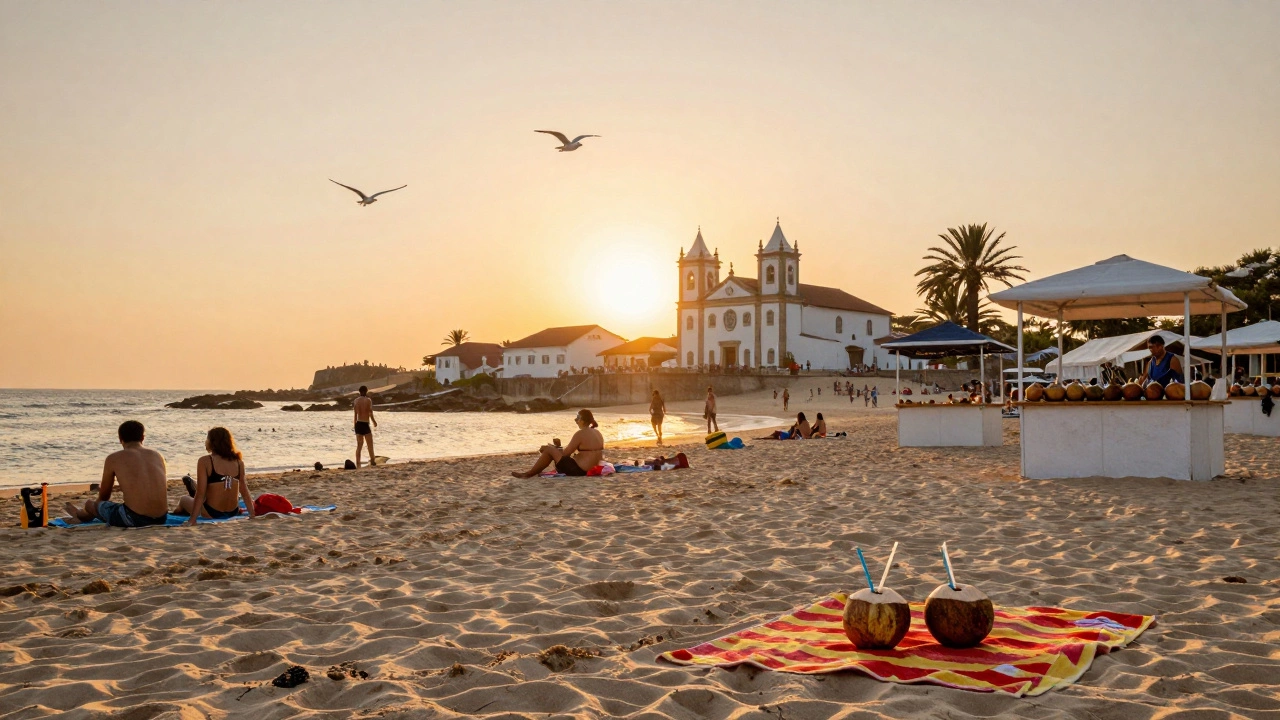
Goa is India's most visited state by foreign tourists, drawing over 2 million visitors yearly with its beaches, relaxed vibe, and cultural blend. Learn why it stands out from other Indian destinations.
Read more