Pork Consumption in India: Why It's Controversial and Where It's Still Eaten
When you think of food in India, you probably picture vegetarian curries, lentils, and chapatis—but pork consumption in India, the eating of pig meat in a country where most people avoid it for religious and cultural reasons. Also known as pig meat consumption, it’s a quiet exception in a landscape dominated by dietary rules. Most Hindus don’t eat pork because pigs are seen as unclean in many traditional texts, and cattle are sacred. But that doesn’t mean pork is banned everywhere. In fact, it’s quietly part of meals in certain communities, regions, and households across the country.
Why does this matter? Because food in India isn’t just about taste—it’s tied to identity, religion, and history. Hindu food restrictions, the set of dietary rules followed by many Hindus based on caste, region, and personal belief. Also known as Hindu dietary laws, they often exclude meat altogether, but even among meat-eaters, pork is frequently avoided due to its association with impurity in ancient scriptures like the Manusmriti. Meanwhile, Muslim cuisine in India, the food traditions of India’s Muslim communities, which follow halal guidelines and include pork-free but meat-rich dishes. Also known as Indian Muslim food, it avoids pork entirely for religious reasons, making it one of the largest groups that never touch it. So who does eat pork? That’s where things get interesting. In the Northeast—states like Nagaland, Mizoram, and Manipur—pork is a staple. It’s smoked, fermented, and cooked in spicy curries. In Goa, Portuguese influence brought pork vindaloo into the mainstream. And among some Tamil communities, especially non-Brahmin families, pork is eaten during festivals or family gatherings, even if it’s not advertised publicly.
What you won’t find in most Indian households is a pork roast on Sunday. But what you will find is a quiet, regional truth: India’s food culture is not one story. It’s many. And pork consumption, though small in scale, is a powerful lens into those differences. Whether it’s a tribal village in the hills or a Goan kitchen passed down through generations, pork survives where tradition allows it. The posts below explore exactly that—how food rules shift across caste, religion, and region, and why what’s forbidden in one home is celebrated in another. You’ll see how pork fits into the bigger picture of Indian eating habits, from ancient taboos to modern choices.
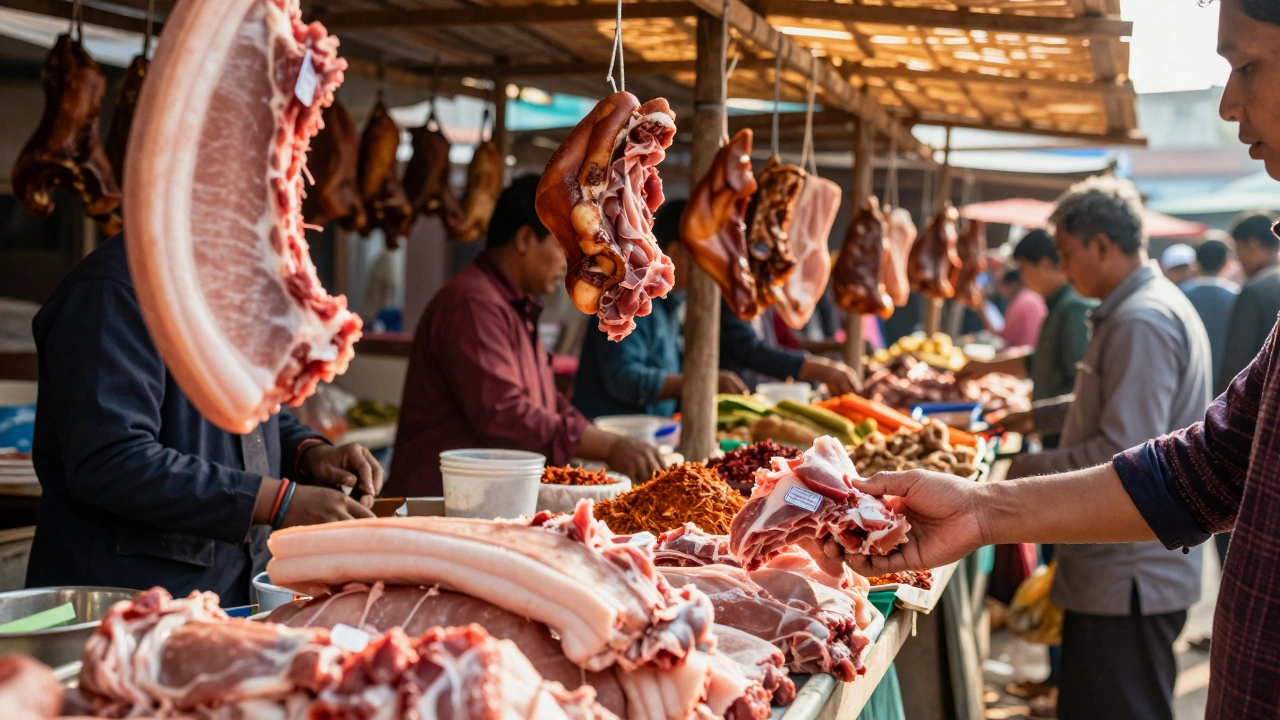
Is Pork Safe to Eat in India? A Practical Guide to Culture, Health, and Choice
Pork is safe to eat in India when properly sourced and cooked. While religious and cultural norms affect consumption, millions eat it regularly, especially in the northeast and among Christian communities. Modern food standards ensure safety.
Read more