Temple Art: The Sacred Sculpture and Architecture of Tamil and Indian Temples
When you walk into a Tamil temple, you’re not just seeing stone and mortar—you’re stepping into a living temple art, a centuries-old tradition where architecture, sculpture, and ritual merge to express the divine. Also known as sacred art, it’s not decoration—it’s devotion made visible. Every pillar, every frieze, every god carved in granite holds meaning. This isn’t just art for beauty’s sake. It’s theology in three dimensions.
Tamil temple architecture, a distinct style rooted in the Dravidian tradition, features towering gopurams, pillared halls, and inner sanctums designed as cosmic maps. Also known as Dravidian style, it’s the backbone of South Indian temples from Madurai to Kanchipuram. These aren’t random structures. They follow ancient texts like the Shilpa Shastras, where every measurement, angle, and placement connects to cosmic order. The Hindu sculpture, the carved images of gods, goddesses, and celestial beings that fill temple walls. Also known as temple iconography, it follows strict rules: each deity’s posture, hand gestures, and ornaments convey specific spiritual truths. You’ll see Shiva as Nataraja dancing on a demon, Vishnu resting on a serpent, or Lakshmi surrounded by elephants—each pose a silent sermon.
Then there’s the Indian temple carvings, the intricate patterns of flora, fauna, dancers, and warriors that cover every surface, turning the temple into a visual epic. Also known as stone storytelling, these carvings don’t just fill space—they teach. A dancer’s bend might echo the rhythm of temple art’s musical roots, while a lion’s roar might guard the sanctum from chaos. Even the smallest leaf or fish has a purpose: to remind worshippers that the divine lives in every detail. This art isn’t frozen in time. It evolves. Modern artisans still use the same chisels as their ancestors, but now they’re also documenting techniques for future generations, just like the posts here do.
What you’ll find below isn’t a random collection. These are real stories—of how a single carving in a 1,000-year-old temple can reveal a lost ritual, how a forgotten sculptor’s signature was found beneath moss, how temple art survives even when the temples themselves are in ruins. You’ll read about the precision of temple art, the hidden symbols in its patterns, and how it connects to dance, music, and daily worship. This is the art that didn’t just decorate temples—it made them holy.
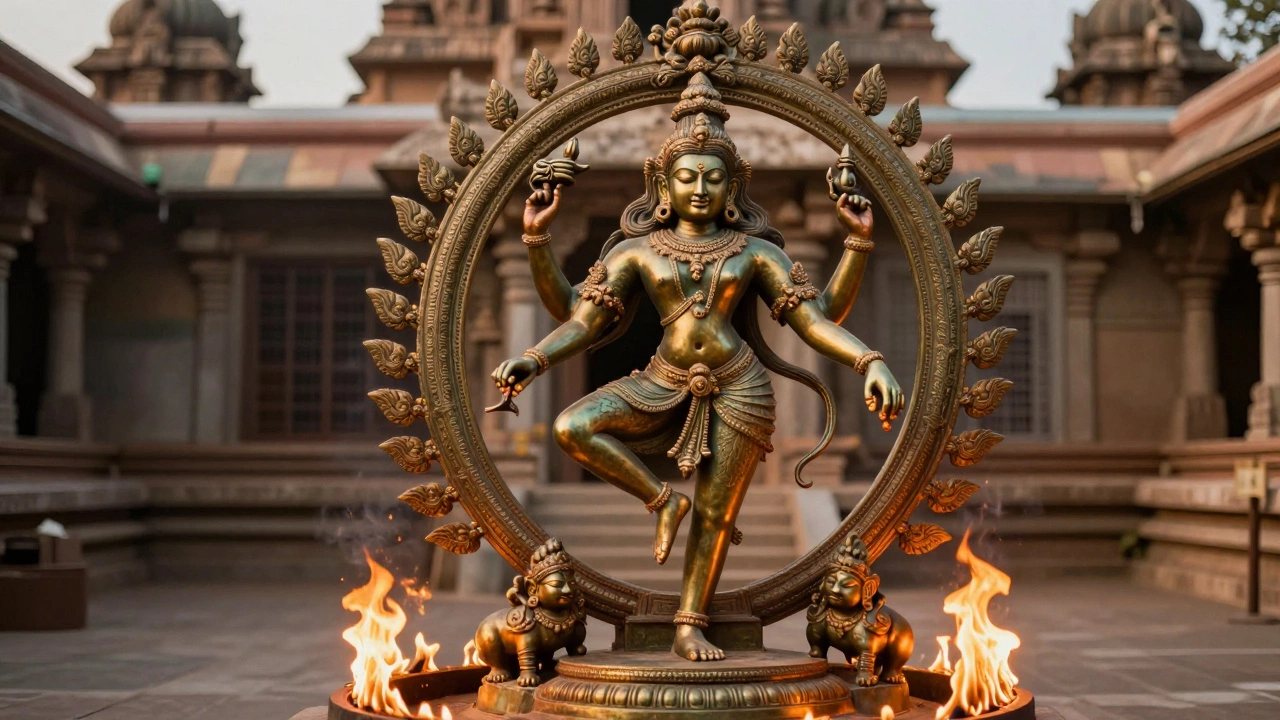
What Is the Significance of Ancient Indian Art?
Ancient Indian art was never just decoration-it was a spiritual language. From Indus seals to Chola bronzes, every sculpture and painting carried deep meaning, connecting daily life to cosmic truths.
Read more