Indus Valley Civilization: Ancient Roots of Indian Culture and Society
When we talk about the Indus Valley Civilization, a highly organized urban society that flourished over 4,500 years ago across what is now Pakistan and northwest India. Also known as the Harappan Civilization, it built some of the earliest planned cities on Earth—complete with grid streets, drainage systems, and standardized weights—long before the rise of ancient Egypt or Mesopotamia. This wasn’t just a collection of villages. It was a network of major urban centers like Harappa and Mohenjo-daro, two of the largest and best-preserved cities of this ancient culture, each housing tens of thousands of people. Yet, despite its scale, we still don’t know what language they spoke, who ruled them, or why they vanished.
The Indus script, a system of over 400 symbols found on seals, pottery, and tools, remains undeciphered. No royal tombs, no temples with clear religious iconography, no written records of kings or wars—just quiet, orderly cities that seem to have been built for daily life, not conquest. This absence of clear hierarchy makes it unlike any other early civilization. No giant statues of gods or rulers. No palaces towering over homes. Just uniform brick houses, public baths, and granaries that suggest a society focused on balance, cleanliness, and shared resources. Some scholars think this reflects a culture that valued community over control.
What we do know is that this civilization traded far and wide—with Mesopotamia, Central Asia, and coastal India—exporting beads, textiles, and carved seals. Its influence lingers in modern South Asia: the emphasis on water management, the use of standardized weights, even the layout of some village streets still echo its legacy. And while later Vedic culture is often called the "beginning" of Indian civilization, the Indus Valley predates it by over a thousand years. It’s the hidden foundation.
Below, you’ll find articles that explore how this ancient world connects to today’s cultural practices—from ritual bathing traditions to the mystery of lost symbols, and how modern researchers are piecing together clues from forgotten cities. These aren’t just history lessons. They’re questions still being asked, and answers still being found.
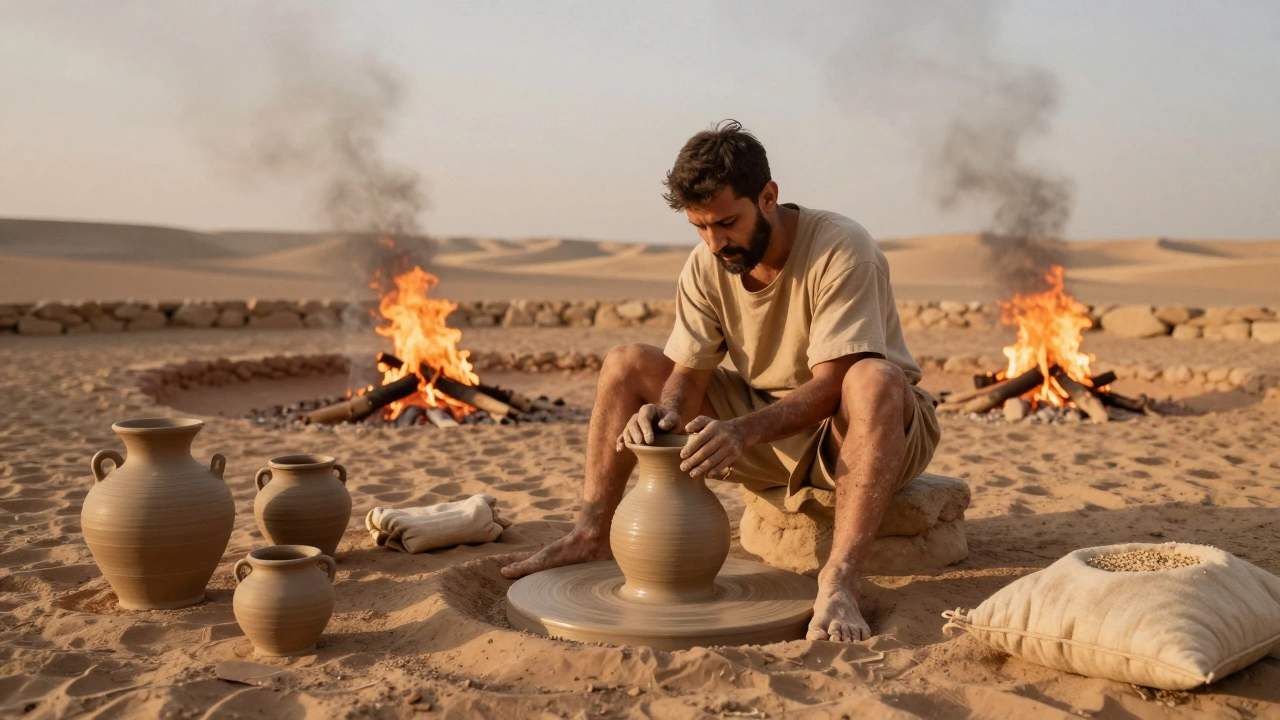
What Is the Oldest Craft in India? The Timeless Art of Pottery
Pottery is the oldest craft in India, dating back over 9,000 years to the Mehrgarh civilization. It laid the foundation for early settlements and remains vital today through traditional village practices.
Read more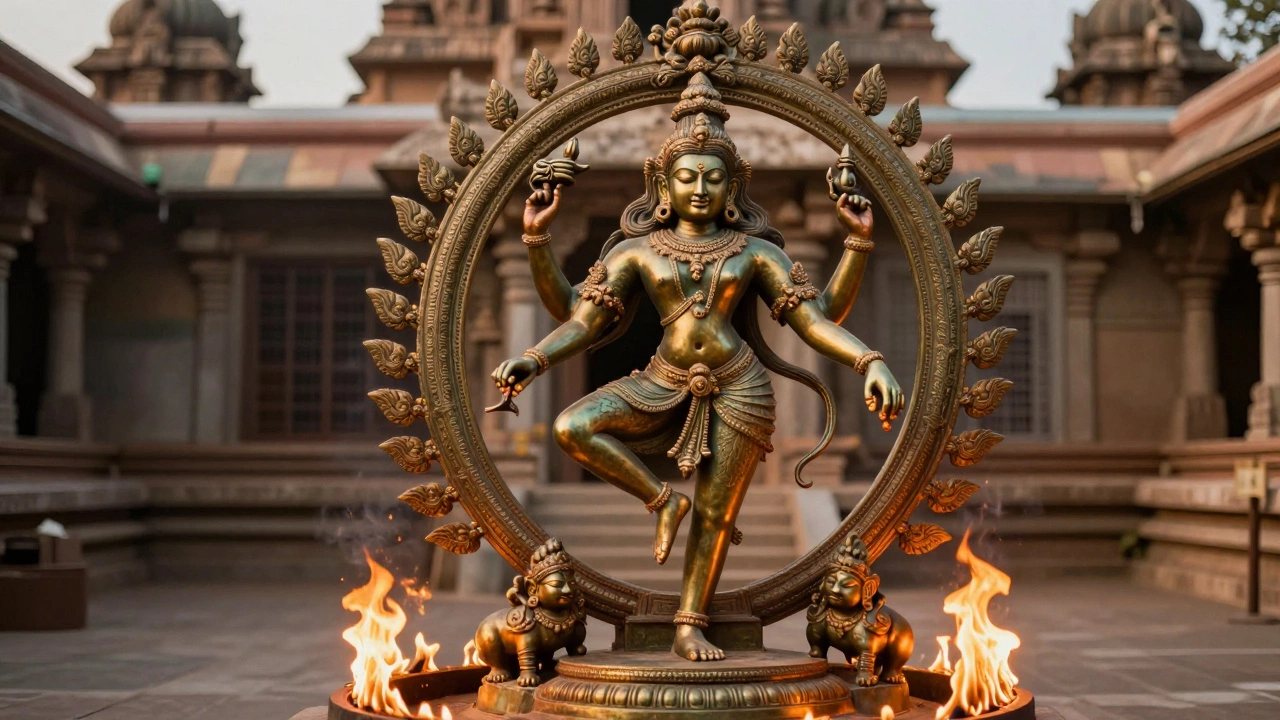
What Is the Significance of Ancient Indian Art?
Ancient Indian art was never just decoration-it was a spiritual language. From Indus seals to Chola bronzes, every sculpture and painting carried deep meaning, connecting daily life to cosmic truths.
Read more