Kerala Handicraft Discovery Tool
Find the Perfect Craft
Select criteria below to identify specific traditional crafts from God's Own Country.
0 Authentic Crafts Found
Based on your selection, here are the recommended traditional items.
When you think of Kerala, the first images that come to mind are likely backwaters, coconut trees, and lush greenery. But beneath this natural beauty lies a rich tapestry of human creativity. The traditional handicrafts of Kerala are not just souvenirs; they are living histories passed down through generations. From the intricate carvings of wood to the vibrant colors of dance masks, each craft tells a story of devotion, utility, and aesthetic brilliance.
The Royal Art of Wood Carving
Wood carving in Kerala is more than just decoration; it is an architectural necessity. For centuries, temples and palaces were built primarily from wood, requiring artisans who could turn timber into divine figures and structural marvels. This tradition is centered around Kasaragod and Thrissur, where the Teak and Rosewood trees provide the perfect medium for detailed work.
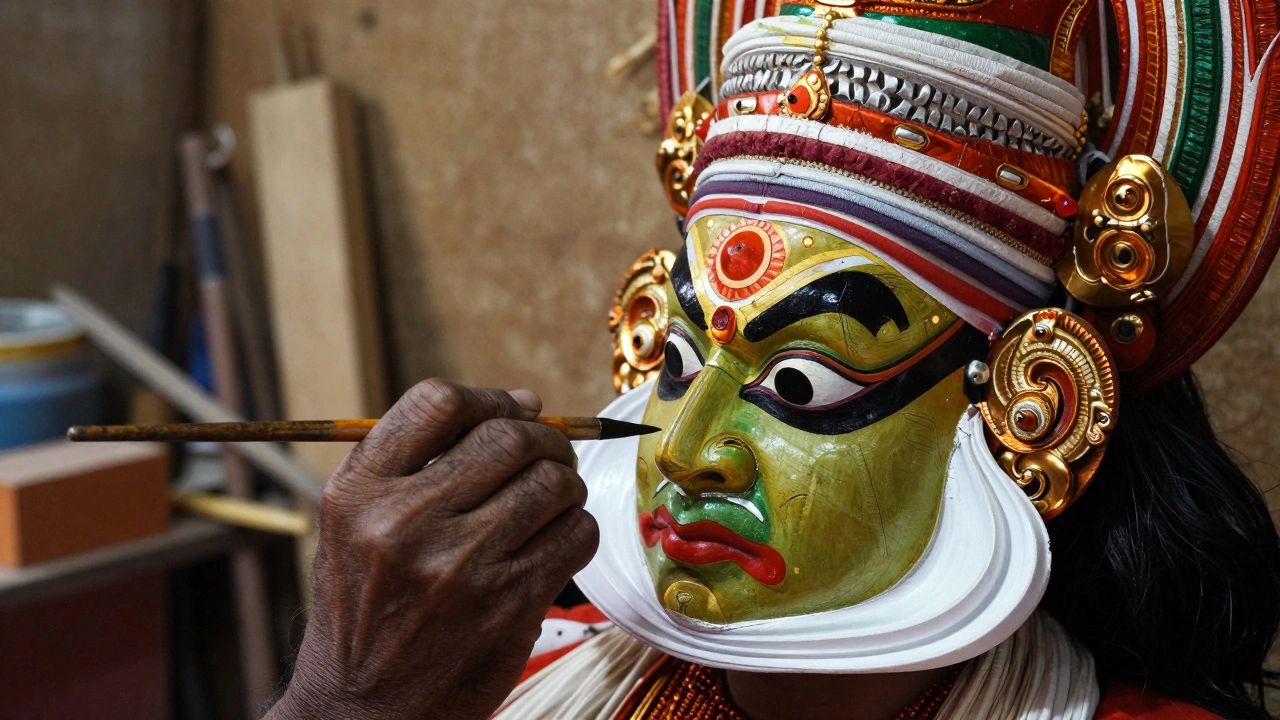
The most famous output of this craft is the Kathakali mask. These masks are essential for the classical dance form of the same name. Each mask represents a specific character type-whether it is a demon (Rakshasa), a god (Devata), or a forest dweller (Vanam). The artisans use a process called Patti, which involves layering cloth and paste to build up the facial features before painting them with bright, symbolic colors. Red signifies evil, green denotes nobility, and black represents demonic forces. When you buy a Kathakali mask, you aren't just buying decor; you are holding a piece of theatrical history.
- Teak Wood: Used for heavy furniture and temple pillars due to its durability.
- Rosewood: Preferred for fine, intricate carvings like idols and small statues.
- Banana Stem Fiber: Sometimes used as a base for lighter masks.
Weaving the Sun: Kasavu and Cotton Textiles
If there is one fabric that defines Kerala, it is the Kasavu saree. You have seen it-the crisp white cotton with golden borders. It is the uniform of elegance for women in the state, worn during festivals like Onam and Vishu. The gold border, known as Kasavu, is made from pure gold thread or zari, woven meticulously on handlooms.
The weaving centers in Chendamangalam and Kallambalam have been producing these sarees for over two centuries. The difference between a machine-made saree and a handloom Kasavu is palpable. Handloom sarees breathe better, feel softer against the skin, and carry a slight irregularity that proves human hands created them. Men also wear a version called the Mundu, which is a simple white dhoti with a golden border, often paired with an Angavastram (upper garment).
For those looking for something less formal but equally authentic, Coir products are everywhere. Made from the outer fiber of coconuts, coir is durable, water-resistant, and eco-friendly. You will find mats, ropes, brushes, and even mattresses made from this material. It is a testament to how Keralites utilize every part of the coconut tree.
| Craft Type | Material | Primary Use | Key Region |
|---|---|---|---|
| Kasavu Saree | Cotton & Gold Zari | Festive Wear | Chendamangalam |
| Mundu | Cotton | Daily/Festive Wear | All Over Kerala |
| Coir Mats | Coconut Husk | Home Decor/Utility | Alappuzha |
| Ikat (Kanjivaram style) | Silk/Cotton | Special Occasions | Kottayam |
Clay and Color: Putti and Terracotta
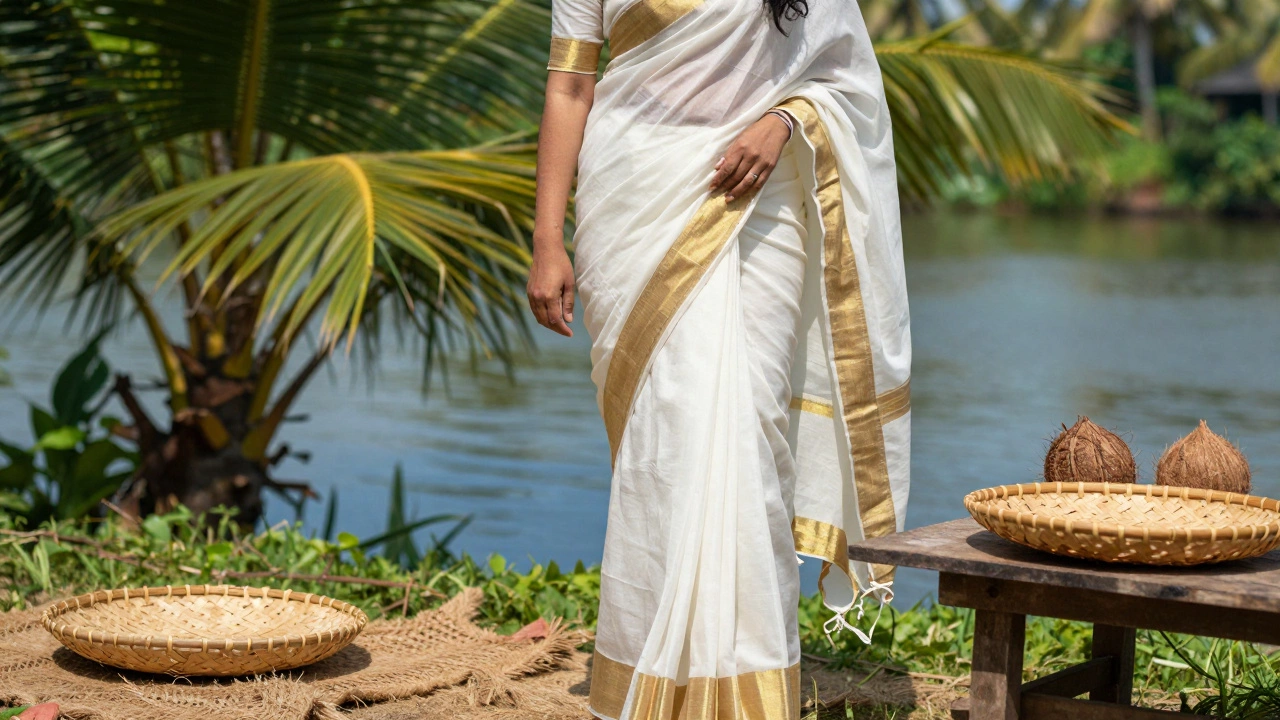
In the quiet village of Putti in Palakkad district, you will find artisans shaping clay into gods, goddesses, and everyday objects. This craft, known as Putti Pottery, dates back to the Chera dynasty. Unlike mass-produced ceramics, Putti pottery uses local red clay and natural pigments derived from plants and minerals.
The artisans here do not use wheels. Instead, they shape the clay by hand, a technique called Pinch Potting. After drying, the items are fired in open pits using cow dung cakes as fuel. This gives the pottery a distinct rustic charm and a matte finish. Common items include Ukkili (small dolls) representing deities like Ganesha and Durga, which are sold during religious festivals. Buying these pieces supports a community that has resisted industrialization for centuries.
Brass and Bell Metal: The Sound of Tradition
Kerala is renowned for its metalwork, particularly Bell Metal and Brass crafts. Bell metal is an alloy of copper, tin, and zinc, known for its resonant sound when struck. Historically, it was used to make temple bells, lamps (Nilavilakku), and musical instruments.
The Nilavilakku, or moon lamp, is a towering brass oil lamp found in almost every household and temple in Kerala. It is designed to mimic the full moon, symbolizing light overcoming darkness. The craftsmanship involved in creating these lamps is immense, requiring precise casting and polishing. Villages like Nattakom and Thiruvalla are hubs for this industry. Today, these lamps are not just functional but serve as central decorative pieces in modern homes, bridging the gap between ancient ritual and contemporary design.
Natural Fibers: Nalikera Shola and Coconut Leaf
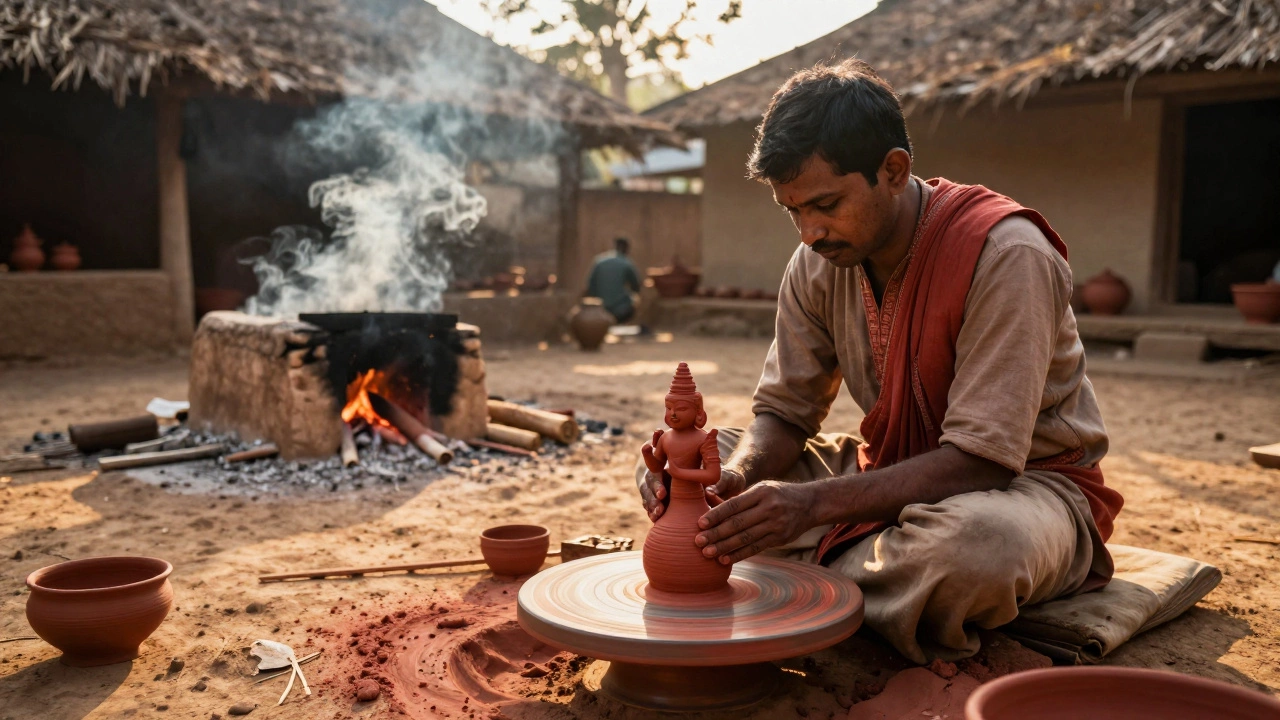
While coir gets much attention, another humble material is the Coconut Leaf. In rural Kerala, artisans weave fresh coconut leaves into plates, bowls, baskets, and fans. This practice, known as Narikettu Vala, is completely biodegradable and sustainable. During large gatherings and weddings, you will see thousands of these leaf plates being used instead of plastic.
Another unique craft is Nalikera Shola, which uses the inner husk of the coconut. It is soft, absorbent, and durable. Artisans weave it into bags, slippers, and home decor items. It is lightweight yet strong enough to hold heavy groceries. If you want a souvenir that is both useful and environmentally friendly, look for items made from Nalikera Shola.
Where to Find Authentic Crafts
Not all shops selling "Kerala handicrafts" offer genuine articles. To ensure you are supporting true artisans, visit government-certified outlets. The Kerala State Handicrafts Development Corporation runs showrooms across the state, including in Kochi, Thrissur, and Thiruvananthapuram. These stores guarantee authenticity and fair pricing.
Additionally, visiting local villages during festival seasons provides direct access to makers. For example, during the Onam festival, many artisans set up stalls near temples, allowing you to watch them create their wares and ask questions about the techniques used. This interaction adds value to your purchase and helps preserve the craft.
What is the most famous handicraft from Kerala?
The most famous handicrafts from Kerala are the Kasavu saree (white cotton with gold border) and Kathakali masks. Both are iconic symbols of Kerala's cultural identity and are widely recognized globally.
Where can I buy authentic Kerala handicrafts?
You can buy authentic handicrafts from the Kerala State Handicrafts Development Corporation showrooms located in major cities like Kochi, Thrissur, and Thiruvananthapuram. Visiting artisan villages during festivals is also a great way to purchase directly from makers.
What materials are used to make Kathakali masks?
Kathakali masks are traditionally made using a mixture of paper pulp, cloth, and natural binders. They are then painted with vibrant colors derived from natural sources to represent different characters in the dance drama.
Is coir a sustainable material?
Yes, coir is highly sustainable. It is made from the outer fiber of coconuts, a waste product of the coconut industry. It is biodegradable, durable, and requires minimal processing, making it an eco-friendly choice for home goods.
What is the significance of the Nilavilakku lamp?
The Nilavilakku, or moon lamp, is a traditional brass oil lamp used in Kerala households and temples. It symbolizes the full moon and represents the victory of light over darkness. It is also considered auspicious and is lit during prayers and festivals.